Mastering Check Engine Light Fixes for Top Results
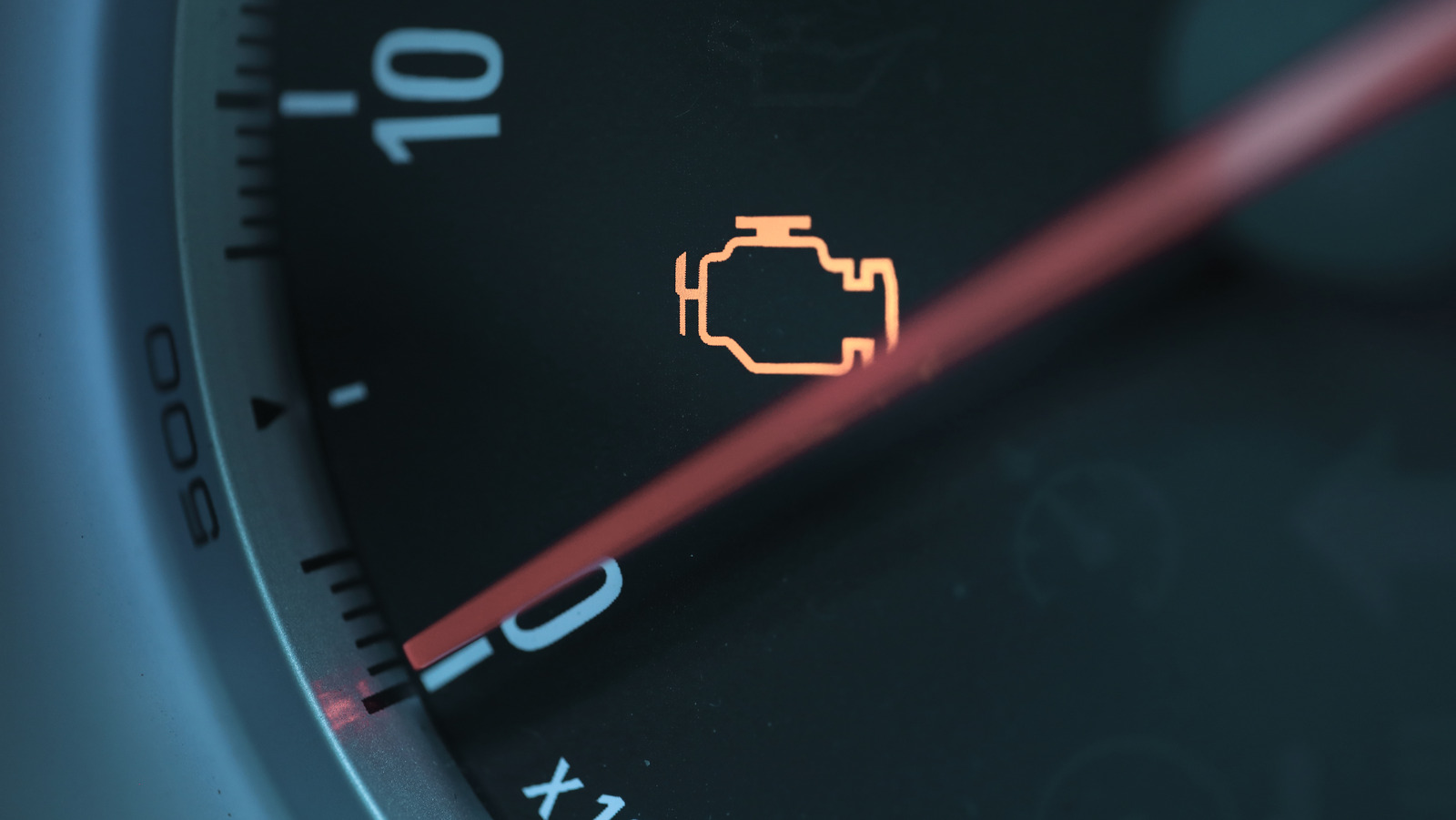
The check engine light (CEL) is a common yet often misunderstood component of modern vehicles. It serves as a crucial warning system, alerting drivers to potential issues within their car’s engine and other related systems. Understanding how to effectively troubleshoot and fix the problems indicated by the check engine light is essential for maintaining the health and performance of your vehicle. This article will guide you through mastering check engine light fixes to achieve top results, ensuring your car remains safe and reliable.
Understanding the Check Engine Light
Before diving into diagnostics and repairs, it’s important to understand what the check engine light represents. This light is part of the On-Board Diagnostics (OBD) system, which monitors various engine components and emissions systems. When the OBD system detects a problem, it triggers the check engine light to alert the driver.
The light can indicate a wide range of issues, from minor problems like a loose gas cap to more serious concerns such as a malfunctioning catalytic converter. It’s crucial not to ignore this warning, as doing so can lead to more severe damage and costly repairs.
Common Causes of the Check Engine Light
While the check engine light can be triggered by numerous issues, some problems are more common than others. Understanding these common causes can help you diagnose the problem more effectively.
Loose or Faulty Gas Cap
A loose or faulty gas cap is one of the simplest causes of a check engine light. The gas cap seals the fuel system and maintains pressure within the tank. If it’s loose or damaged, it can cause a drop in pressure, triggering the light.
Oxygen Sensor Failure
The oxygen sensor measures the amount of unburnt oxygen in the exhaust and sends this information to the engine computer to adjust the air-fuel mixture. A failing sensor can lead to poor fuel efficiency and increased emissions.
Malfunctioning Catalytic Converter
The catalytic converter reduces harmful emissions by converting exhaust gases into less harmful substances. A malfunctioning converter can lead to reduced performance and increased emissions.
Faulty Spark Plugs or Wires
Spark plugs ignite the air-fuel mixture in the engine’s cylinders. Worn or faulty plugs and wires can cause misfires, leading to inefficient combustion and triggering the check engine light.
Mass Airflow Sensor Issues
The mass airflow sensor monitors the amount of air entering the engine and helps determine the proper air-fuel ratio. A faulty sensor can cause poor performance and reduced fuel efficiency.
Diagnosing the Problem
Once the check engine light illuminates, the next step is to diagnose the problem accurately. Follow these steps to ensure a thorough diagnosis.
Use an OBD-II Scanner
An OBD-II scanner is a vital tool for diagnosing check engine light issues. It reads the trouble codes stored in your car’s computer, providing insight into the underlying problem. Connect the scanner to the OBD-II port, usually located under the dashboard, and retrieve the codes.
Interpret the Trouble Codes
Once you have the codes, you’ll need to interpret them. Each code corresponds to a specific issue. For example, a P0171 code indicates a lean condition in Bank 1, while a P0300 code signifies random or multiple misfires. Refer to your vehicle’s manual or an online database to understand the codes and their implications.
Conduct a Visual Inspection
Perform a visual inspection of the engine bay and related components. Look for obvious signs of damage, such as frayed wires, cracked hoses, or loose connections. This can help you identify potential issues not immediately obvious from the trouble codes.
Test Suspected Components
Once you have a list of potential issues, test the suspected components. Use a multimeter to test electrical components, check for vacuum leaks with a smoke machine, and inspect mechanical components for wear or damage.
Fixing the Problem
After diagnosing the issue, the next step is to fix it. Here are some common fixes for the issues mentioned earlier.
Tightening or Replacing the Gas Cap
If a loose gas cap is the culprit, simply tighten it until you hear a click. If the cap is damaged, replace it with a new one. This simple fix can often resolve the issue and turn off the check engine light.
Replacing the Oxygen Sensor
If the oxygen sensor is faulty, replace it with a new one. Ensure you purchase the correct sensor for your vehicle model. Follow the manufacturer’s instructions for installation to avoid damaging the new sensor.
Repairing or Replacing the Catalytic Converter
A malfunctioning catalytic converter may need repair or replacement. In some cases, cleaning the converter can resolve the issue, but if it’s damaged, replacement is necessary.
Replacing Spark Plugs and Wires
Worn or faulty spark plugs and wires should be replaced. Use the correct type and gap for your vehicle to ensure optimal performance. Regular maintenance, such as replacing spark plugs every 30,000 to 50,000 miles, can prevent future problems.
Cleaning or Replacing the Mass Airflow Sensor
If the mass airflow sensor is dirty, cleaning it with a dedicated cleaner can restore its function. If cleaning doesn’t resolve the issue, replacing the sensor may be necessary.
Preventive Measures and Maintenance
Preventive maintenance is key to reducing the likelihood of the check engine light coming on. Here are some tips to keep your vehicle running smoothly.
Regular Maintenance
Adhere to your vehicle’s maintenance schedule, including oil changes, filter replacements, and inspections. Regular maintenance helps identify and address potential issues before they trigger the check engine light.
Monitor Fuel Quality
Use high-quality fuel to prevent deposits and build-up in your engine. Avoid using fuel with high ethanol content unless your vehicle is specifically designed for it.
Inspect and Replace Wearable Parts
Regularly inspect wearable parts such as belts, hoses, and filters. Replace them as needed to prevent them from becoming a source of problems.
Conclusion
Mastering check engine light fixes involves understanding the warning system, diagnosing the problem accurately, and applying the correct fix. By following the steps outlined in this article, you can effectively address the issues that trigger the check engine light, ensuring your vehicle remains in top condition. Regular maintenance and preventive measures will further reduce the likelihood of seeing that dreaded light, allowing you to enjoy a smooth and trouble-free driving experience.






Post Comment