Ultimate Car Troubleshooting Guide for Quick Fixes
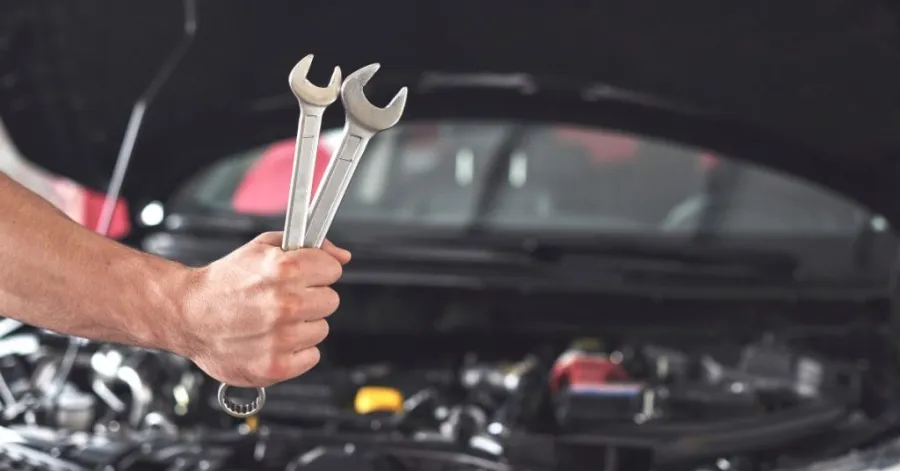
Owning a car provides the convenience of mobility, but it also comes with the responsibility of maintenance and repair. Understanding how to troubleshoot common car problems can save you time and money. This ultimate car troubleshooting guide will help you tackle common car issues with quick fixes that are easy to implement.
Understanding the Basics
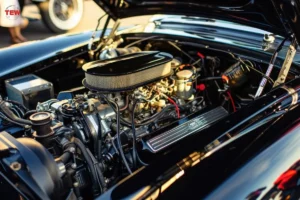
Before diving into specific problems, it’s crucial to understand the basics of your vehicle. Familiarize yourself with the car’s manual, which provides valuable information about your car’s systems and components. Recognizing warning signs and knowing the location of key parts under the hood can make troubleshooting much more manageable.
Battery Issues
Symptoms of a Dead Battery
A dead battery is a common car issue. Symptoms include the engine not cranking, dim lights, and a clicking sound when turning the key.
Quick Fix
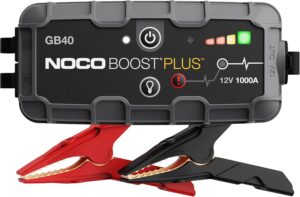
Jump-starting the car is the easiest fix. You’ll need jumper cables and a second vehicle. Connect the cables to the corresponding positive and negative terminals on both batteries, start the assisting vehicle, and then try starting your car. After starting, let your car run for at least 30 minutes to recharge the battery.
Flat Tires
Recognizing a Flat Tire
A flat tire affects vehicle handling and may be accompanied by a thumping sound. Visually inspect the tires for damage or deflation.
Quick Fix
If you have a spare tire and the necessary tools, you can replace the flat tire. Ensure the car is on a stable surface, use a jack to lift the vehicle, remove the lug nuts, replace the tire, and tighten the nuts. Always check the spare tire’s pressure before setting off.
Engine Overheating
Signs of Overheating
An overheating engine can lead to severe damage. Common signs include a rising temperature gauge, steam from the hood, and a sweet smell from antifreeze.
Quick Fix
If your engine overheats, pull over safely, turn off the engine, and let it cool. Once cooled, check the coolant level and add coolant if necessary. Ensure you check for leaks or damaged hoses. If the problem persists, consult a mechanic.
Brake Issues
Identifying Brake Problems
Squealing or grinding noises, a soft brake pedal, or the vehicle pulling to one side can indicate brake issues.
Quick Fix
Low brake fluid might be the cause. Locate the brake fluid reservoir under the hood and check the level. If low, add the appropriate brake fluid. If issues persist, it may require professional brake servicing.
Starting Problems
Diagnosing Starting Issues
If your car doesn’t start, it could be due to the battery, starter, or alternator. Listen for a clicking sound which often indicates a battery issue.
Quick Fix
Ensure the battery terminals are clean and tight. Corrosion can be cleaned with a mixture of baking soda and water. If the problem remains, use a multimeter to check the battery voltage. A reading below 12.4 volts typically indicates a weak battery.
Strange Noises
Pinpointing the Source
Unusual noises can be troubling. They may be due to loose components, worn belts, or engine problems.
Quick Fix
Try to isolate the source of the noise. Loose belts might need tightening or replacement. If the noise comes from the engine, check for loose parts or leaks. Persistent noises should be evaluated by a professional.
Transmission Troubles
Symptoms of Transmission Issues
Slipping gears, delayed response, or strange noises during shifting can indicate transmission problems.
Quick Fix
Check the transmission fluid level and condition. Low or dirty fluid can cause issues. If low, add the appropriate type of fluid. If the fluid is dark or smells burnt, it might need replacing. Persistent problems require professional attention.
Electrical System Failures
Common Electrical Issues
Malfunctions in lights, windows, or other electrical components can result from blown fuses or faulty wiring.
Quick Fix
Locate the fuse box and check for blown fuses. Replace any faulty fuses with ones of the same amperage. If electrical issues continue, it may be due to wiring problems that need a mechanic’s expertise.
Fuel System Problems
Signs of Fuel System Issues
A rough idle, stalling, or poor acceleration can indicate fuel system problems.
Quick Fix
Check the fuel filter for clogs and replace it if necessary. Ensure the gas tank isn’t empty. If problems persist, it could be the fuel pump or injectors, which require professional inspection.
Conclusion
While DIY car troubleshooting can address many common issues, it’s crucial to recognize the limits of quick fixes. Regular maintenance and timely professional inspections are vital for the longevity and safety of your vehicle. By understanding your vehicle and addressing minor problems promptly, you can ensure smoother and safer drives. Always prioritize safety and don’t hesitate to consult a professional for complex issues or when in doubt.





Post Comment