Top Engine Misfire Symptoms You Shouldn’t Ignore
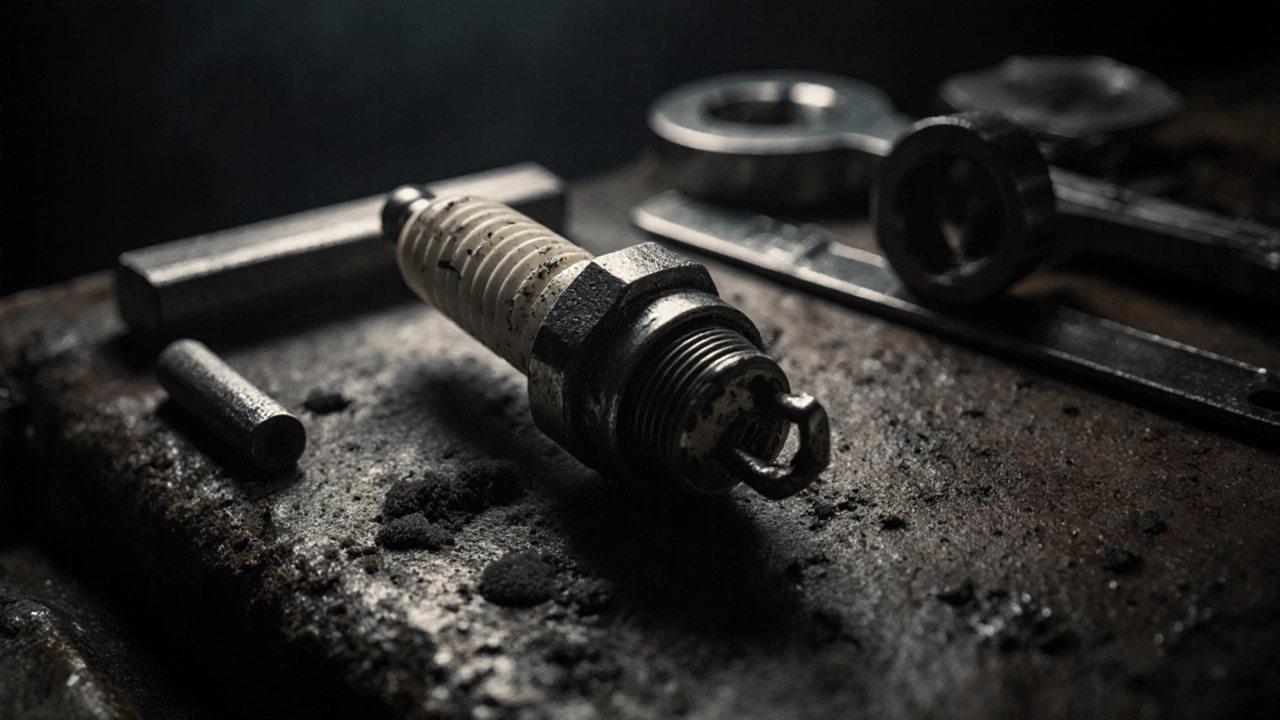
Top Engine Misfire Symptoms You Shouldn’t Ignore
Engine misfires are a common yet critical issue that can affect the performance, efficiency, and longevity of your vehicle. While occasional misfires might seem trivial, persistent issues can lead to severe mechanical failures and costly repairs. Recognizing the symptoms early can help you take prompt action, ensuring your vehicle runs smoothly and efficiently. This article explores the top engine misfire symptoms you shouldn’t ignore and why addressing these issues is crucial.
### Understanding Engine Misfire
Before delving into symptoms, it’s essential to understand what an engine misfire is. An engine misfire occurs when one or more cylinders fail to combust the air-fuel mixture correctly. This can happen due to various reasons, including ignition system failures, fuel delivery issues, or mechanical problems within the engine. Misfires can be sporadic or consistent, affecting the vehicle’s performance and emissions.
### Common Symptoms of Engine Misfire
#### 1. **Rough Idling**
One of the most noticeable symptoms of an engine misfire is rough idling. When your engine is idling, it should run smoothly without any interruptions. If you experience a shaky or uneven idle, it could be due to a misfire. This symptom is often accompanied by fluctuating RPMs, causing the engine to feel as though it’s sputtering.
#### 2. **Poor Acceleration**
A misfiring engine can significantly impact your vehicle’s acceleration. If you notice that your car hesitates or stumbles when you press the gas pedal, it could be a sign of a misfire. This hesitation occurs because the engine cannot generate enough power, resulting in sluggish acceleration.
#### 3. **Engine Vibrations**
Another clear indicator of a misfire is excessive engine vibrations. When a cylinder fails to fire correctly, the engine loses balance, leading to vibrations that can be felt throughout the vehicle. These vibrations are more pronounced at higher speeds or when the engine is under load.
#### 4. **Check Engine Light**
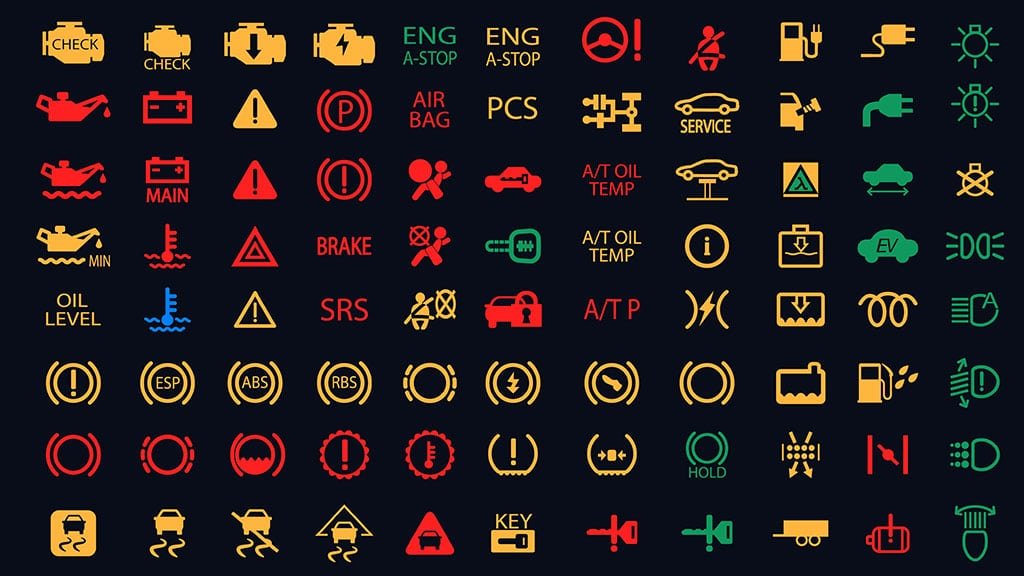
Modern vehicles are equipped with onboard diagnostics systems that monitor engine performance. When the system detects a misfire, it triggers the check engine light on your dashboard. While the check engine light can indicate various issues, a persistent or flashing light should prompt immediate attention, as it often signifies a severe misfire.
#### 5. **Unusual Exhaust Emissions**
A misfiring engine can alter the composition of exhaust emissions. You may notice an increase in exhaust smoke, which can appear black, blue, or white, depending on the underlying issue. Additionally, unburned fuel can cause a strong gasoline smell from the exhaust, indicating incomplete combustion.
#### 6. **Decrease in Fuel Efficiency**
Engine misfires can lead to a significant drop in fuel efficiency. When a cylinder fails to combust fuel effectively, it results in wasted fuel and increased consumption. If you find yourself refueling more often without a corresponding increase in mileage, a misfire could be the culprit.
#### 7. **Backfiring or Popping Sounds**
Unusual sounds such as backfiring or popping from the exhaust can be a sign of an engine misfire. These sounds occur when unburned fuel ignites in the exhaust system, often due to a misfire in the combustion chamber. Such occurrences not only indicate a misfire but can also damage the exhaust system over time.
### Causes of Engine Misfire
Understanding the root causes of engine misfires can help in diagnosing and addressing the issue effectively. Some common causes include:
#### Ignition System Failures
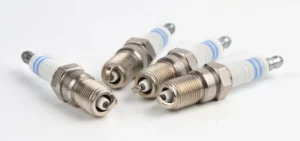
The ignition system is responsible for igniting the air-fuel mixture in the cylinders. Faulty spark plugs, ignition coils, or distributor caps can prevent proper ignition, leading to misfires. Regular maintenance and timely replacement of these components can prevent ignition-related misfires.
#### Fuel Delivery Issues
Proper fuel delivery is crucial for engine performance. Clogged fuel injectors, a failing fuel pump, or a dirty fuel filter can restrict fuel flow, causing a lean or rich air-fuel mixture and resulting in misfires. Ensuring clean fuel lines and components can mitigate these issues.
#### Air Intake Problems
An engine requires a balanced air-fuel mixture for efficient combustion. Vacuum leaks, blocked air filters, or malfunctioning sensors can disrupt the air intake, leading to misfires. Regular inspection and maintenance of the air intake system can prevent such problems.
#### Mechanical Problems
Internal engine components such as valves, pistons, or camshafts can wear out or become damaged over time. This can lead to misfires due to compression loss or mechanical failure. Regular engine inspections and addressing wear and tear promptly can prevent mechanical misfires.
### Diagnosing Engine Misfire
Diagnosing an engine misfire can be challenging, especially with modern vehicles’ complex systems. However, a systematic approach can help identify the underlying cause.
#### Use of Diagnostic Tools
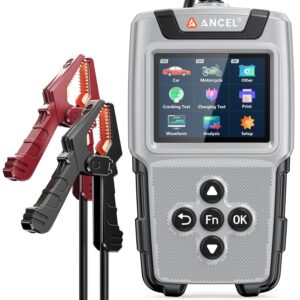
OBD-II scanners are valuable tools for diagnosing engine misfires. These devices can read error codes from the vehicle’s onboard diagnostics system, providing insight into which cylinder is misfiring and potential causes.
#### Visual Inspection
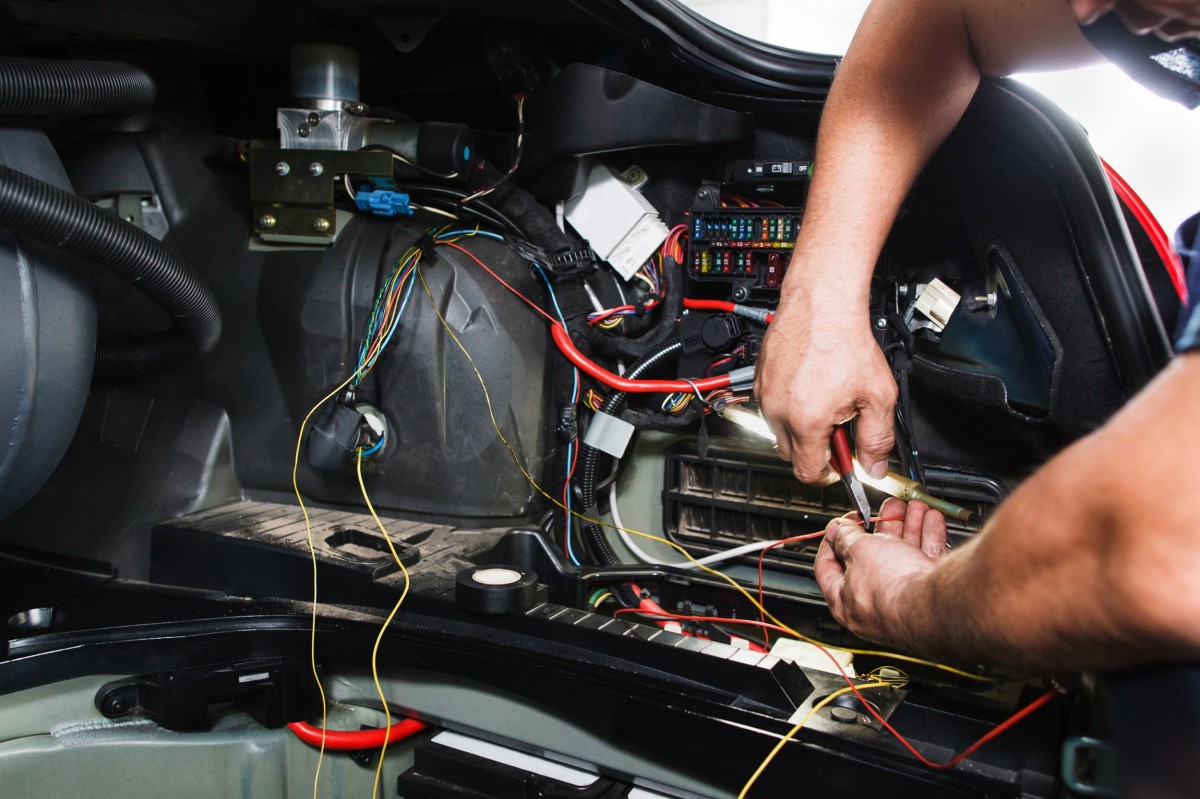
A thorough visual inspection of ignition components, fuel lines, and air intake systems can reveal obvious issues such as damaged spark plugs, clogged filters, or loose connections. Addressing these visible problems can often resolve the misfire.
#### Professional Diagnosis
If you’re unable to diagnose the issue yourself, seeking professional help is advisable. Experienced mechanics can perform comprehensive diagnostics, including compression tests, fuel pressure checks, and advanced computer diagnostics to pinpoint the exact cause of the misfire.
### Importance of Addressing Engine Misfires
Ignoring engine misfires can lead to severe consequences for your vehicle. Persistent misfires can cause:
– **Increased Emissions:** Misfires result in incomplete combustion, increasing harmful emissions and potentially leading to failed emissions tests.
– **Engine Damage:** Continuous misfiring can cause significant damage to engine components, including catalytic converters, exhaust systems, and internal engine parts.
– **Reduced Performance:** A misfiring engine struggles to deliver optimal performance, affecting acceleration, power, and overall drivability.
– **Higher Repair Costs:** Delaying repairs can escalate the issue, resulting in more extensive and costly repairs in the long run.
### Conclusion
Engine misfires are a serious concern that should not be ignored. Recognizing the symptoms early and taking appropriate action can prevent further damage and ensure your vehicle operates efficiently. Regular maintenance, timely replacement of faulty components, and addressing issues as they arise are crucial in preventing and resolving engine misfires. If you experience any of the symptoms mentioned in this article, it’s essential to investigate and address the underlying cause promptly to maintain your vehicle’s performance and reliability.




Post Comment