Essential Car Tune-Up Checklist for Optimal Performance
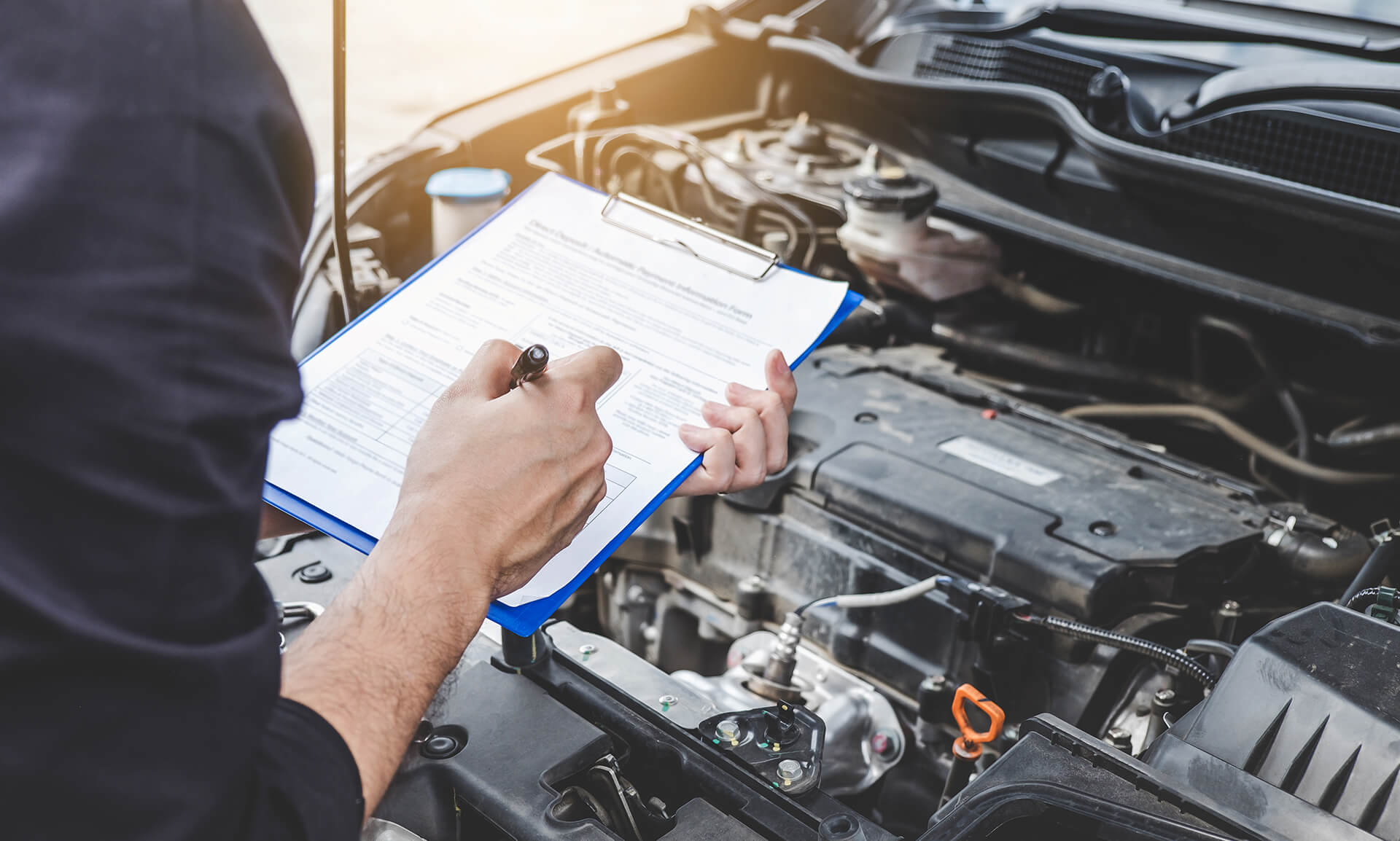
Regular car maintenance is crucial to ensure the longevity and efficiency of your vehicle. A comprehensive car tune-up is an essential part of this maintenance routine, aimed at improving your car’s performance, fuel efficiency, and overall reliability. This article will take you through an essential car tune-up checklist that will help you maintain your vehicle in top condition.
Inspect and Replace Spark Plugs
Spark plugs play a critical role in the ignition system of your car. They ignite the air-fuel mixture within the engine cylinders, which powers your vehicle. Over time, spark plugs can become dirty or worn out, leading to reduced engine performance and increased fuel consumption. During a tune-up, inspect the spark plugs for signs of wear, such as deposits or a worn electrode. Replace any faulty spark plugs with new ones to ensure optimal engine performance.
Check and Replace Air Filters
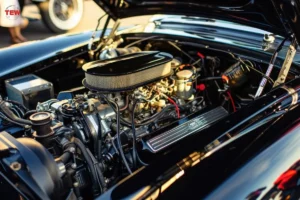
Air filters prevent dust, dirt, and other debris from entering the engine. A clean air filter is vital for proper air intake, which in turn affects the engine’s performance and fuel efficiency. During a tune-up, check the air filter for dirt and debris accumulation. If it appears dirty or clogged, replace it with a new one. Regular replacement of air filters can significantly improve your car’s fuel economy and acceleration.
Examine and Change Engine Oil
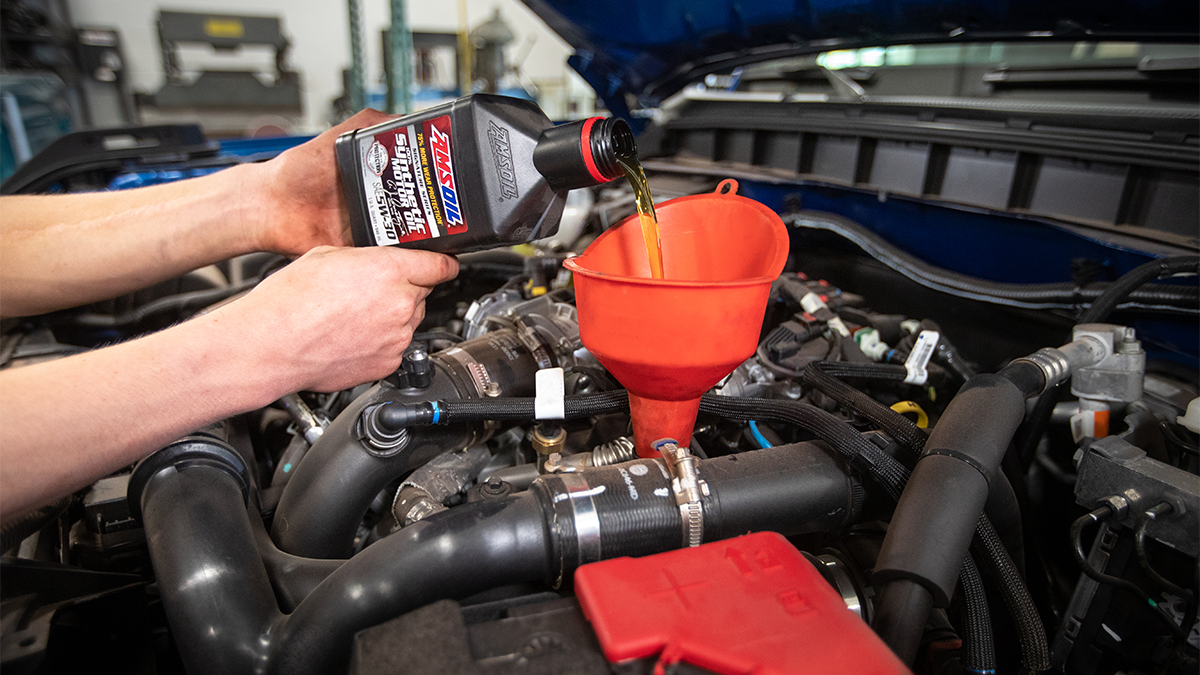
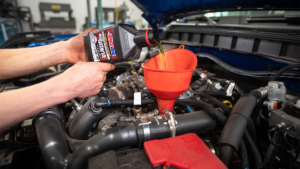
Engine oil is crucial for lubricating the engine’s components, reducing friction, and preventing overheating. Over time, engine oil can become contaminated with dirt and debris, leading to reduced lubrication and increased engine wear. During a tune-up, check the engine oil level and condition. If the oil appears dirty or has been in use for an extended period, change it along with the oil filter. Regular oil changes are essential for maintaining engine health and performance.
Inspect the Battery and Charging System
The battery and charging system are responsible for powering the electrical components of your car. A weak or failing battery can lead to starting issues and other electrical problems. During a tune-up, inspect the battery for signs of corrosion or damage. Check the battery terminals and cables for tightness and cleanliness. Additionally, test the battery’s voltage and the alternator’s charging capacity to ensure the charging system is functioning correctly. Replace the battery if it fails to hold a charge or shows signs of wear.
Evaluate the Fuel System
The fuel system is responsible for delivering fuel to the engine efficiently. Over time, fuel injectors can become clogged, and fuel filters can become dirty, leading to reduced performance and fuel economy. During a tune-up, inspect the fuel system for any signs of leaks or damage. Clean the fuel injectors and replace the fuel filter if necessary. Regular maintenance of the fuel system can improve engine performance and reduce emissions.
Check the Cooling System
The cooling system prevents the engine from overheating by circulating coolant throughout the engine. A malfunctioning cooling system can lead to engine overheating, which can cause severe damage. During a tune-up, inspect the coolant level and condition. Check the radiator, hoses, and water pump for any signs of leaks or damage. If the coolant appears dirty or the system shows signs of wear, flush the cooling system and replace the coolant with the recommended type.
Inspect and Adjust the Belts and Hoses
Belts and hoses are critical components of your car’s engine, responsible for powering various systems and circulating fluids. Over time, they can become worn, cracked, or loose, leading to potential failures. During a tune-up, inspect all belts and hoses for signs of wear, such as fraying, cracks, or glazing. Adjust the tension of the belts if necessary and replace any damaged components to prevent breakdowns.
Examine the Exhaust System
The exhaust system is responsible for directing harmful gases away from the engine and reducing emissions. A damaged or leaking exhaust system can lead to increased emissions and engine noise. During a tune-up, inspect the exhaust system for any signs of leaks, rust, or damage. Pay special attention to the muffler, catalytic converter, and exhaust pipes. Repair or replace any faulty components to ensure the system is functioning correctly.
Test the Brake System
The brake system is one of the most critical safety components of your car. Regular maintenance of the brake system is vital to ensure your vehicle can stop effectively. During a tune-up, inspect the brake pads, rotors, and calipers for signs of wear or damage. Check the brake fluid level and condition, and replace it if it appears dirty or has been in use for a long time. Ensure all components are functioning correctly to maintain optimal braking performance.
Evaluate the Suspension System
The suspension system affects the handling, ride comfort, and overall stability of your vehicle. Over time, suspension components can wear out, leading to a rough ride and poor handling. During a tune-up, inspect the shocks, struts, and other suspension components for signs of wear or damage. Replace any worn or damaged parts to ensure a smooth and stable ride.
Check the Tire Condition and Pressure
Tires are the only contact point between your vehicle and the road, making their maintenance crucial for safety and performance. During a tune-up, inspect the tires for signs of uneven wear, damage, or punctures. Check the tire pressure and adjust it to the manufacturer’s recommended levels. Additionally, ensure that the tires are balanced and aligned correctly to prevent premature wear and improve fuel efficiency.
Inspect the Transmission System
The transmission system is responsible for transferring power from the engine to the wheels. A malfunctioning transmission can lead to poor performance and increased fuel consumption. During a tune-up, check the transmission fluid level and condition. If the fluid appears dirty or has been in use for an extended period, replace it with the recommended type. Inspect the transmission components for any signs of wear or damage and address any issues promptly.
Evaluate the Lights and Electrical System
The lights and electrical system are essential for visibility and safety. During a tune-up, inspect all exterior and interior lights to ensure they are functioning correctly. Check the fuses and wiring for any signs of damage or wear. Replace any faulty bulbs or components to maintain optimal visibility and functionality.
Conclusion
Regular car tune-ups are essential for maintaining your vehicle’s performance, fuel efficiency, and safety. By following this comprehensive car tune-up checklist, you can ensure that your car remains in optimal condition and runs smoothly. Remember to consult your vehicle’s owner’s manual for specific maintenance intervals and recommendations. Regular maintenance not only extends the life of your vehicle but also provides peace of mind knowing that your car is in top working order.





Post Comment