Top Solutions for Common Car Starting Problems
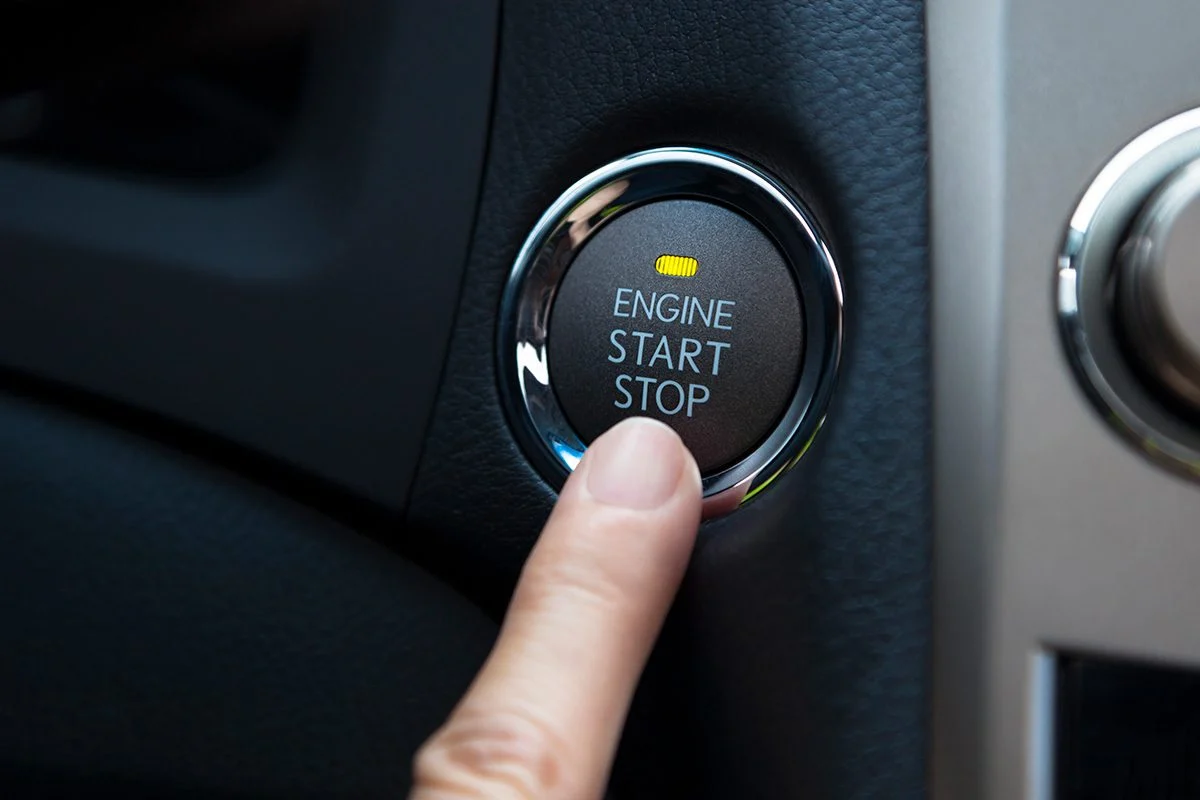
Few situations are more frustrating than getting into your car, turning the key (or pushing the button), and having nothing happen. Car starting problems are a common issue for many drivers, but they can stem from a variety of causes. Understanding the potential problems and solutions can save you time and money, and get you back on the road with minimal hassle. In this article, we will explore the top solutions for common car starting problems, providing you with a comprehensive guide to diagnosing and fixing these issues.
Battery Issues
Dead or Weak Battery
The most common reason a car won’t start is a dead or weak battery. Batteries can lose charge over time or due to a defect. The symptoms include a clicking sound when turning the key, dim dashboard lights, or no electrical response at all.
Solution: Jump Start
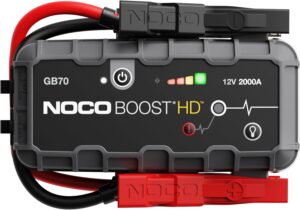
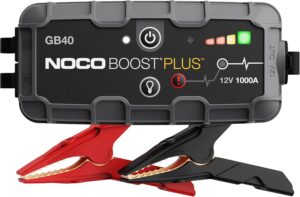
If you suspect a dead battery, the quickest solution is to jump-start the car. Use a set of jumper cables and another vehicle with a charged battery. Connect the cables correctly, ensuring the positive and negative terminals are matched, and start the working vehicle first, followed by your car. If the car starts, let it run for at least 20 minutes to recharge the battery.
Solution: Battery Replacement
If jump-starting doesn’t work, the battery may need replacing. Check the battery’s age (most last 3-5 years) and look for corrosion on terminals. Replace the battery if necessary, ensuring you select the correct type and size for your vehicle.
Starter Motor Problems
Faulty Starter Motor
If the battery is in good condition, the issue may lie with the starter motor. A faulty starter motor can prevent the engine from cranking, often accompanied by a clicking noise or no noise at all when attempting to start the car.
Solution: Starter Motor Replacement
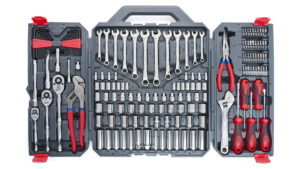
If you suspect a faulty starter motor, it’s best to consult a professional mechanic, as replacing this component can be complex. However, if you’re experienced with car repairs, you can replace the starter motor by disconnecting the battery, removing the old motor, and installing a new one.
Ignition System Issues
Ignition Switch Problems
The ignition switch is crucial for starting the car, as it sends power to the starter motor and ignition system. A faulty ignition switch can prevent the car from starting, sometimes showing signs like flickering dashboard lights.
Solution: Repair or Replace Ignition Switch
If the ignition switch is faulty, it will need repair or replacement. This can involve removing the steering column cover, disconnecting the switch, and installing a new one. Due to the complexity, many prefer having a professional handle this repair.
Key and Transponder Issues
Modern cars often use transponder keys that communicate with the car’s computer. If the key or its transponder is damaged, the car might not start.
Solution: Key Replacement or Reprogramming
If the key is the issue, a replacement or reprogramming may be required. Contact your car dealer or a locksmith specializing in automotive keys for assistance.
Fuel System Problems
Empty Fuel Tank
It might seem obvious, but an empty fuel tank can prevent your car from starting. It’s worth checking your fuel gauge to ensure there’s enough fuel.
Solution: Refuel
If your tank is empty, simply adding fuel is the solution. Be sure to check for any leaks in the fuel system if this becomes a recurring problem.
Fuel Pump Failure
The fuel pump delivers fuel from the tank to the engine. If it fails, the engine won’t receive the fuel needed to start.
Solution: Fuel Pump Repair or Replacement
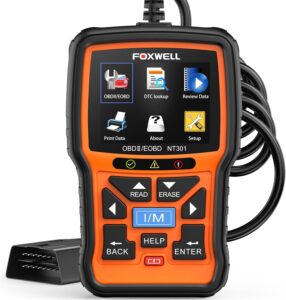
Diagnosing a fuel pump issue often requires professional equipment, but if you suspect a problem, check for a blown fuse or replace the pump. Due to the complexity, this repair is best handled by a professional.
Electrical System Issues
Blown Fuses
A blown fuse in the car’s electrical system can prevent it from starting. Fuses protect electrical circuits, and a blown fuse can disrupt the starting process.
Solution: Fuse Replacement
Check your car’s fuse box for any blown fuses. Replace any that are damaged with ones of the same amperage. Refer to your car’s manual for the correct fuse box location and specifications.
Corroded or Loose Wiring
Corroded or loose wiring can cause electrical issues that prevent the car from starting. Inspect the wiring, especially around the battery and ignition system.
Solution: Wire Inspection and Repair
If you find loose or corroded wires, tighten connections and clean off corrosion. For damaged wires, professional repair or replacement may be necessary.
Engine Mechanical Problems
Seized Engine
If an engine seizes, it won’t start. This can be caused by a lack of oil or severe overheating.
Solution: Professional Repair
A seized engine is a major problem that requires professional attention. Regular maintenance and oil checks can prevent this issue.
Timing Belt Failure
The timing belt ensures the engine’s valves open and close at the correct times. If it fails, the engine won’t start.
Solution: Timing Belt Replacement
Replacing a timing belt is a complex job best left to professionals. Regular inspection and replacement according to your car’s maintenance schedule can prevent failure.
Conclusion
Car starting problems can be frustrating, but many common issues have straightforward solutions. Whether it’s the battery, ignition system, fuel supply, or electrical components, identifying the problem is the first step in getting your car running again. Regular maintenance and inspections can prevent many of these issues, ensuring your car remains reliable. If you’re unsure about the problem or the solution, consulting a professional mechanic is always a wise choice. With the right approach and knowledge, you can tackle car starting problems with confidence and keep your vehicle in top condition.



Post Comment