Unlocking Car Diagnostic Codes: Expert Tips Revealed
In the realm of automobile maintenance, understanding and interpreting car diagnostic codes is a crucial skill for both professional mechanics and car enthusiasts. These codes are generated by the vehicle’s onboard diagnostics (OBD) system, which monitors the performance of the engine and other essential components. When something goes awry, the OBD system triggers a warning light on the dashboard and stores a diagnostic trouble code (DTC) in its memory. This article delves into the intricacies of unlocking and interpreting car diagnostic codes, offering expert tips to help you tackle automotive issues with confidence.
Understanding the Onboard Diagnostics (OBD) System
The OBD system is an integral component of modern vehicles, designed to monitor and regulate the engine’s performance and emissions. Initially developed to comply with emissions regulations, the OBD system has evolved to provide comprehensive diagnostics for a wide range of vehicle components. There are two primary standards: OBD-I, used in vehicles manufactured before 1996, and OBD-II, which became mandatory for all cars sold in the U.S. from 1996 onward. OBD-II is more advanced, offering a standardized interface and a broader range of diagnostic capabilities.
Deciphering Diagnostic Trouble Codes (DTCs)
DTCs are alphanumeric codes that provide insights into the specific issues affecting a vehicle. These codes typically consist of five characters: one letter followed by four numbers. The initial letter indicates the system related to the issue:
– P for Powertrain (engine and transmission)
– B for Body (airbags, lighting, etc.)
– C for Chassis (suspension, steering)
– U for Network (communication system)
The first digit indicates whether the code is generic (0) or manufacturer-specific (1). The remaining three digits provide detailed information about the specific problem.
Example DTC Structure
Consider the DTC P0302:
– P: Powertrain issue
– 0: Generic code
– 302: Cylinder 2 misfire detected
Tools Required for Reading Diagnostic Codes
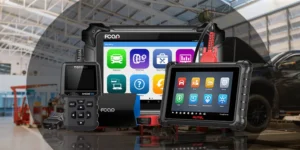
To access and interpret DTCs, you’ll need a diagnostic tool. Here are the most common options:
OBD-II Scanner
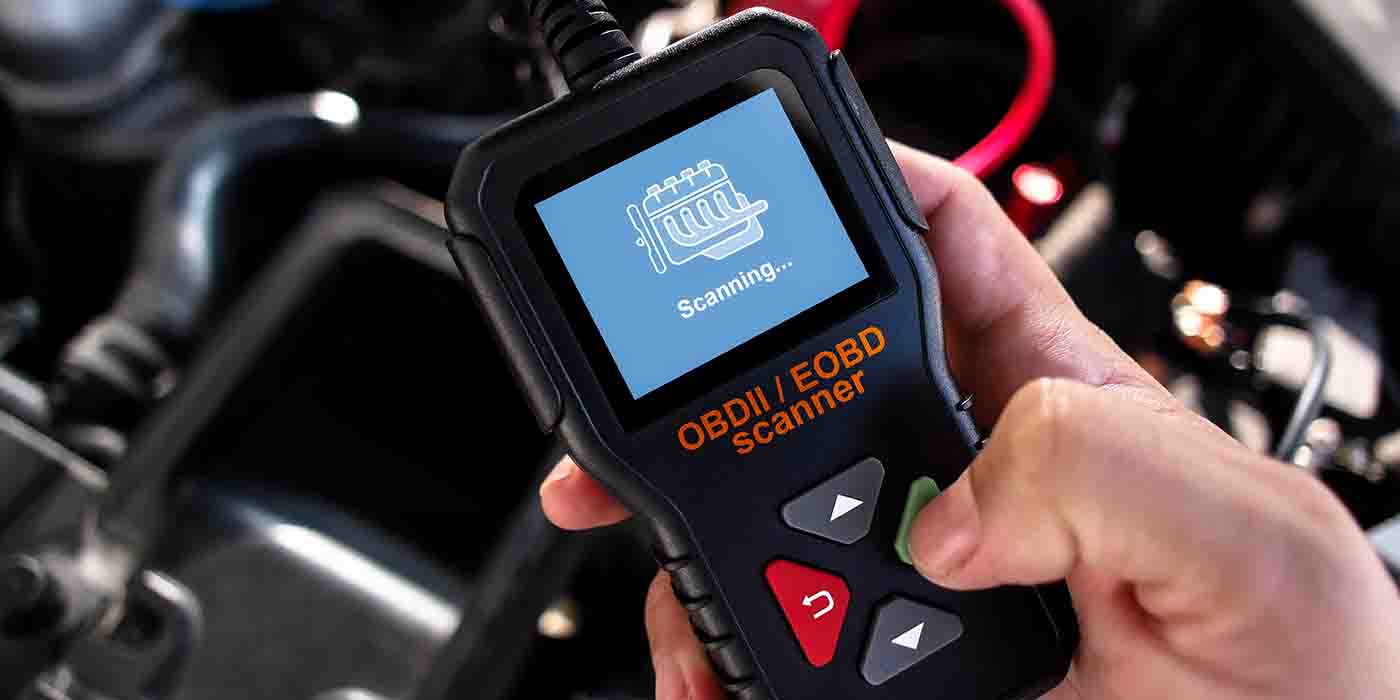
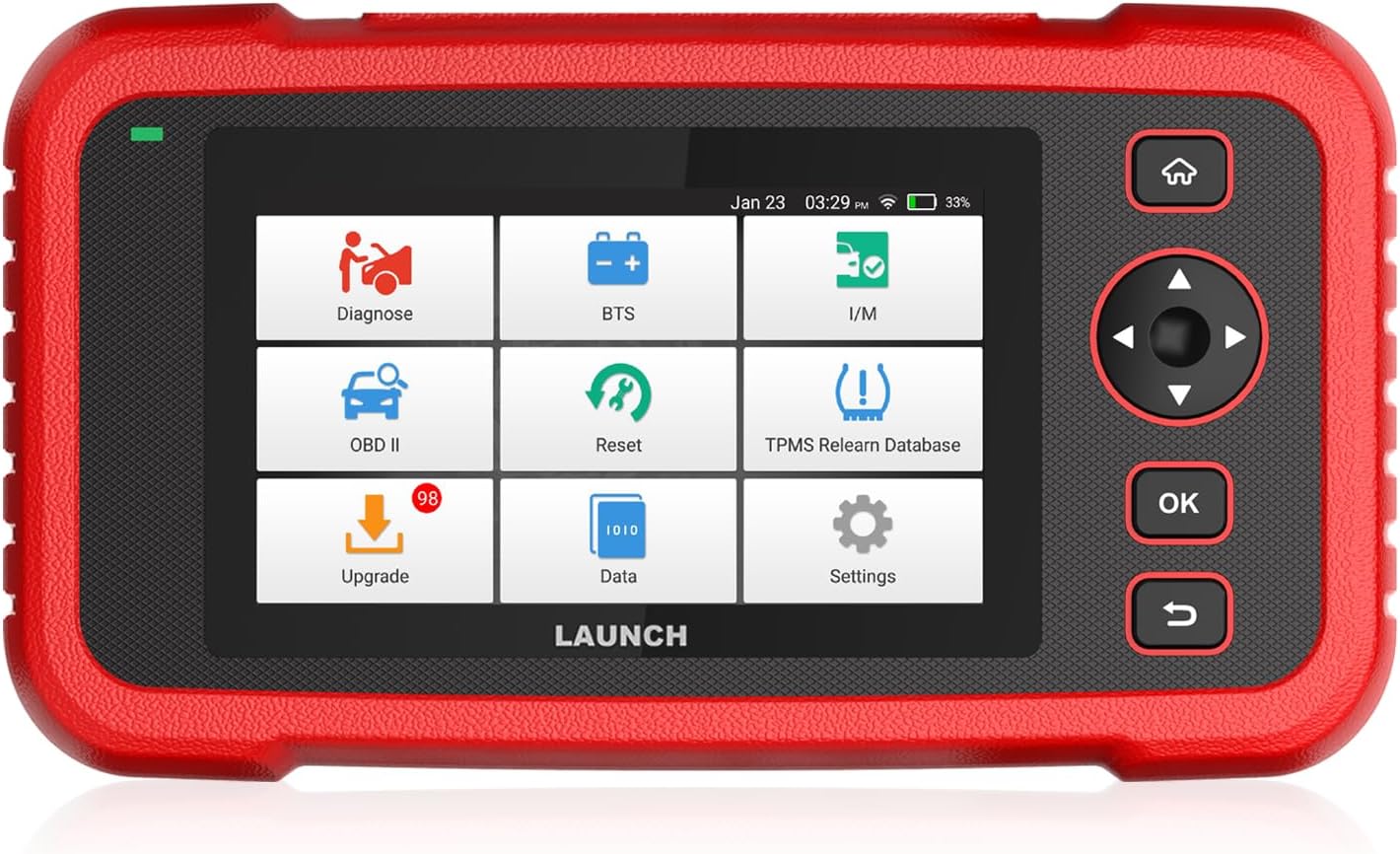
An OBD-II scanner is a handheld device that connects to the vehicle’s OBD-II port, typically located under the dashboard. Basic scanners can read and clear codes, while advanced models offer additional features like live data streaming, graphing, and manufacturer-specific diagnostics.
Smartphone Apps
Several apps can turn your smartphone into a diagnostic tool when paired with a Bluetooth or Wi-Fi OBD-II adapter. These apps offer similar features to traditional scanners and often provide a user-friendly interface.
Steps to Access Diagnostic Codes
Unlocking car diagnostic codes involves a straightforward process:
Locate the OBD-II Port
The OBD-II port is usually found under the dashboard on the driver’s side. It may be hidden behind a cover, so look closely.
Connect Your Diagnostic Tool
Plug the OBD-II scanner or adapter into the port. Ensure the vehicle’s ignition is in the “on” position, but the engine is not running.
Read the Codes
Follow the instructions on your tool to access the stored DTCs. Record the codes for further analysis.
Interpret the Codes
Use a reliable DTC database or the diagnostic tool’s built-in resources to decode the codes and identify potential issues.
Common Diagnostic Codes and Their Meanings
Understanding common DTCs can expedite the troubleshooting process. Here are a few frequently encountered codes:
P0171: System Too Lean (Bank 1)
This code indicates that the engine’s air-fuel mixture is too lean in the first bank of cylinders. Possible causes include a vacuum leak, faulty oxygen sensor, or clogged fuel filter.
P0420: Catalyst System Efficiency Below Threshold (Bank 1)
This code suggests that the catalytic converter is not functioning efficiently. It may be caused by a damaged converter, faulty oxygen sensor, or exhaust leak.
P0300: Random/Multiple Cylinder Misfire Detected
A P0300 code signifies that multiple cylinders are misfiring. Potential causes include ignition system issues, fuel delivery problems, or a vacuum leak.
Expert Tips for Accurate Diagnostics
Unlocking car diagnostic codes is just the beginning. Proper analysis and troubleshooting are vital to resolving issues effectively. Here are some expert tips:
Use Live Data
Advanced diagnostic tools can stream live data from the vehicle’s sensors. Analyzing this data can help pinpoint issues more accurately by providing real-time insights into engine performance.
Check for Technical Service Bulletins (TSBs)
Manufacturers often release TSBs to address common issues with specific models. Reviewing TSBs can save time by identifying known problems and recommended solutions.
Verify Repairs
After making repairs, clear the codes and test drive the vehicle to ensure the issue is resolved. If the problem persists, recheck the codes and continue troubleshooting.
Conclusion
Unlocking and interpreting car diagnostic codes is an invaluable skill for anyone involved in vehicle maintenance. By understanding the OBD system, using the right tools, and following expert tips, you can diagnose and address automotive issues with confidence. Remember, while DTCs provide a starting point for troubleshooting, a thorough understanding of vehicle systems and components is essential for effective repairs. Embrace the power of diagnostics and keep your vehicle running smoothly.







Post Comment