Optimize Vehicle Longevity with a Smart Maintenance Schedule
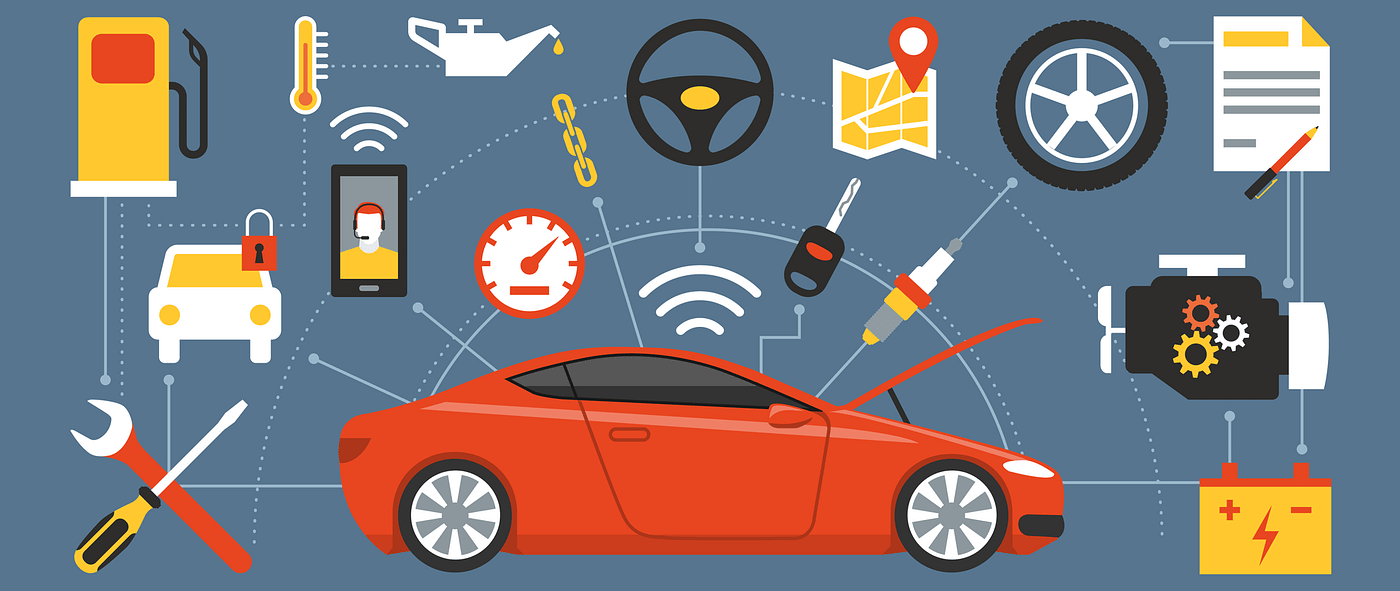
Owning a vehicle is a significant investment, and like any investment, it requires care and attention to ensure it performs optimally over the years. Regular maintenance is the key to extending the lifespan of your car and avoiding costly repairs. Developing a smart maintenance schedule can help you stay organized and ensure that your vehicle remains in top condition. This article will guide you through the essentials of creating a maintenance plan that optimizes vehicle longevity.
Understanding the Importance of Regular Maintenance
Vehicles are complex machines composed of numerous interdependent systems. Regular maintenance ensures each system functions correctly, preventing small issues from escalating into major problems. By sticking to a maintenance schedule, you can improve vehicle performance, ensure safety, and increase fuel efficiency. Additionally, well-maintained vehicles often retain higher resale values.
Components of a Smart Maintenance Schedule
Regular Oil Changes
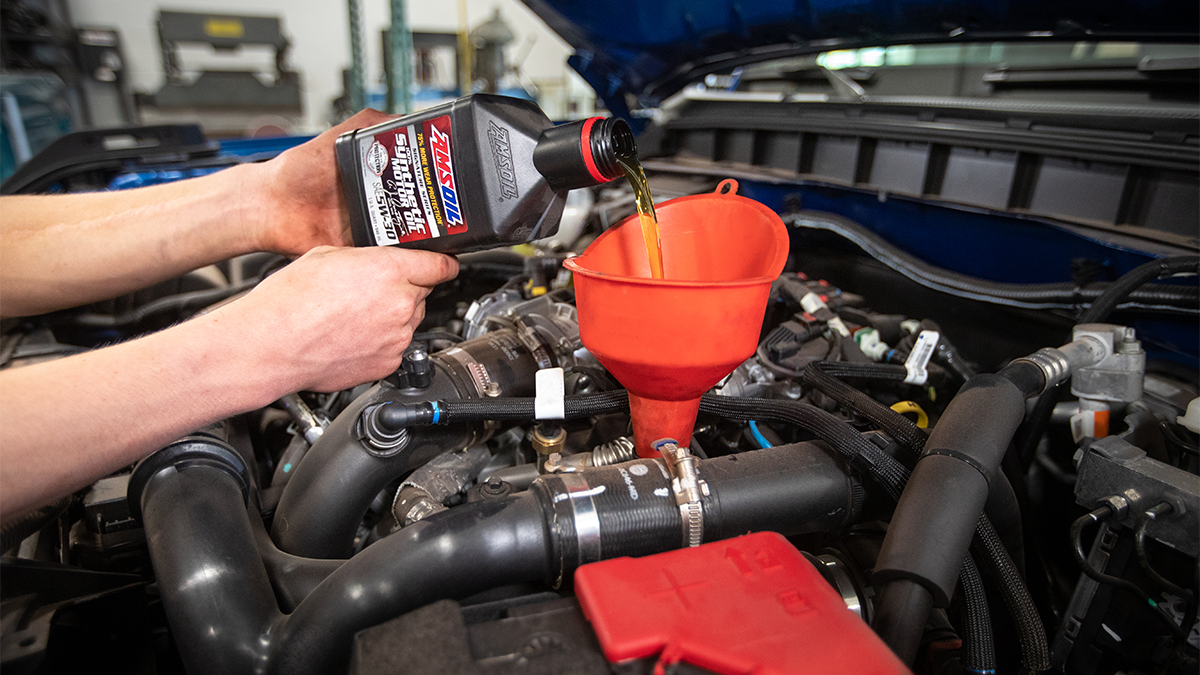
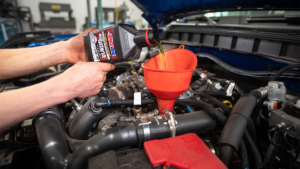
Oil is the lifeblood of your engine, reducing friction, absorbing heat, and helping to keep components clean. Depending on your vehicle’s make and model, oil changes are typically recommended every 3,000 to 7,000 miles. Regular oil changes help prevent engine wear and extend the life of your car.
Tire Maintenance
Tires are your vehicle’s point of contact with the road, making them crucial for safety and performance. Regular tire rotations, balance checks, and proper inflation can prevent uneven wear and improve fuel efficiency. Additionally, periodic alignment checks help ensure your vehicle drives straight and true.
Brake System Inspections
The braking system is vital for safety. Regular inspections can catch wear and tear on brake pads, rotors, and calipers before they become major issues. It’s advisable to have your brakes checked at least once a year or whenever you notice signs of wear, such as squeaking or reduced braking power.
Fluid Checks and Replacements
Besides engine oil, your vehicle relies on several other fluids to operate efficiently, including transmission fluid, coolant, brake fluid, and power steering fluid. Regular checks and timely replacements of these fluids prevent system failures and keep your car running smoothly.
Battery Maintenance
A reliable battery is essential for starting your vehicle and powering electrical systems. Regularly check for corrosion on terminals and ensure the battery is securely mounted. Testing your battery’s charge level can prevent unexpected failures.
Filter Replacements
Filters trap impurities and protect critical components. Air filters, fuel filters, and cabin filters should be inspected and replaced according to your vehicle’s maintenance schedule. Clean filters improve engine performance and cabin air quality.
Scheduled Inspections
Many vehicle manufacturers provide a maintenance schedule specifying intervals for comprehensive inspections. These checks often include examining belts, hoses, suspension components, and exhaust systems for wear and tear. Adhering to this schedule helps catch potential issues early.
Creating a Custom Maintenance Schedule
Consult the Owner’s Manual
Every vehicle comes with an owner’s manual that provides a manufacturer-recommended maintenance schedule tailored to your car’s specific needs. This manual is your primary resource for determining service intervals and understanding the maintenance requirements of your vehicle.
Assess Driving Conditions
Your driving habits and environment can significantly impact your vehicle’s maintenance needs. Frequent short trips, stop-and-go traffic, and harsh weather conditions may require more frequent maintenance. Consider these factors when creating your schedule.
Keep a Maintenance Log
Tracking maintenance activities in a log helps you stay organized and ensures nothing is overlooked. Record the date, service performed, and mileage at the time of each maintenance task. This log can also be useful when selling your vehicle, as it demonstrates your commitment to its upkeep.
Set Reminders
In our busy lives, it’s easy to forget maintenance tasks. Set reminders on your phone, calendar, or through a vehicle service app to notify you of upcoming maintenance activities. Staying proactive prevents minor issues from escalating.
The Role of Professional Mechanics
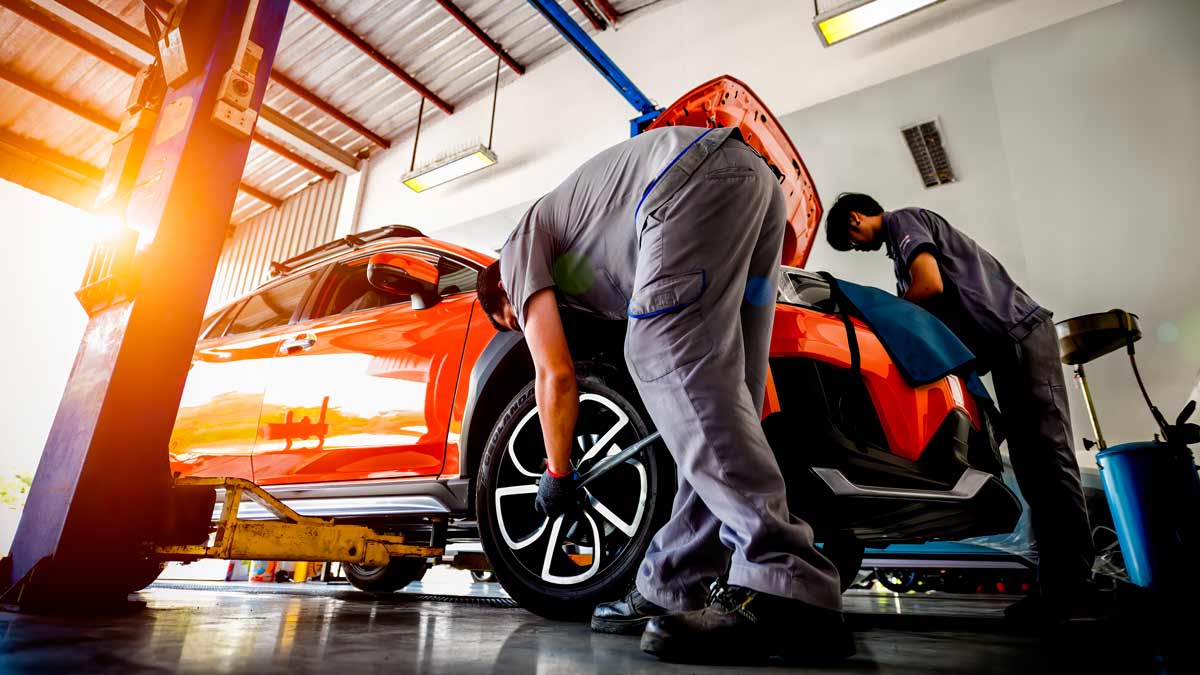
While many maintenance tasks can be performed by the vehicle owner, some require professional expertise. Establishing a relationship with a trusted mechanic can provide peace of mind and ensure complex tasks are handled correctly. Mechanics can also offer insights into your vehicle’s condition and recommend preventative measures.
Cost-Benefit Analysis of Regular Maintenance
Though regular maintenance incurs costs, these are often far less than the expenses associated with major repairs or early vehicle replacement. Investing in routine care can save you money in the long run by reducing the likelihood of breakdowns and prolonging the life of your vehicle.
Conclusion
Optimizing vehicle longevity requires a commitment to regular maintenance and a well-structured schedule. By understanding the importance of each maintenance task, creating a custom plan, and seeking professional assistance when needed, you can ensure your vehicle remains reliable and efficient for years to come. Prioritize maintenance today to enjoy a smoother, safer driving experience and protect your investment.






Post Comment