Top Automotive Hand Tools Every Mechanic Needs
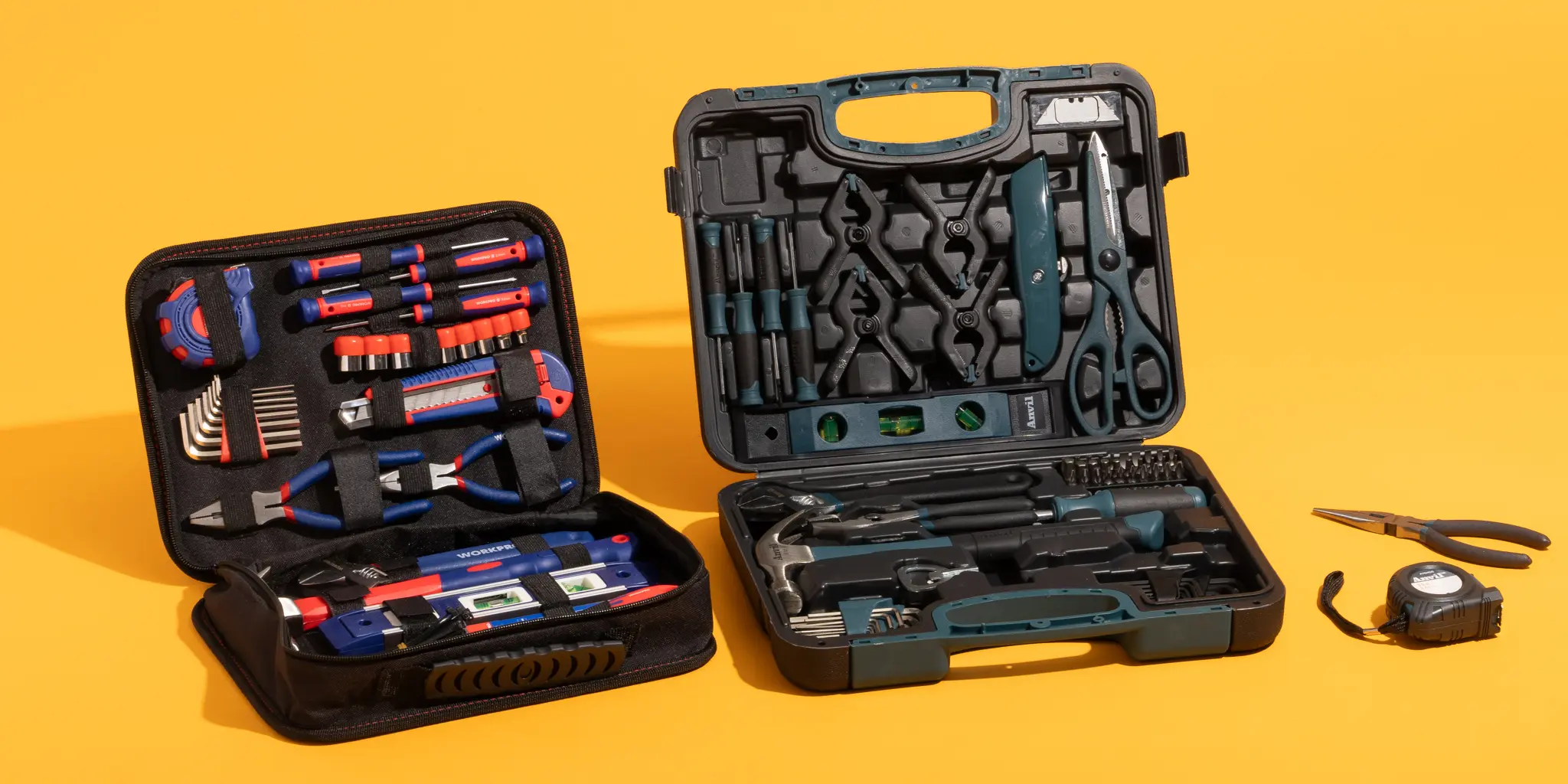
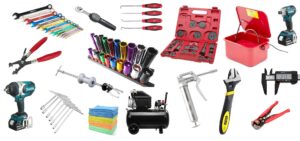
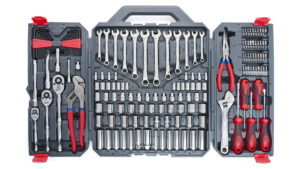
Whether you’re a seasoned professional or a DIY enthusiast, having the right tools in your arsenal is essential for any automotive project. The right tools not only make tasks easier but also ensure safety and efficiency. Here, we delve into the top automotive hand tools every mechanic needs in their toolbox. These tools will help you tackle a wide range of automotive tasks with confidence.
Wrenches: A Mechanic’s Best Friend
Wrenches are indispensable in any mechanic’s toolkit. They come in various shapes and sizes, each designed for specific tasks. A good set of wrenches can handle anything from loosening stubborn bolts to finely tuning engine components.
Combination Wrenches
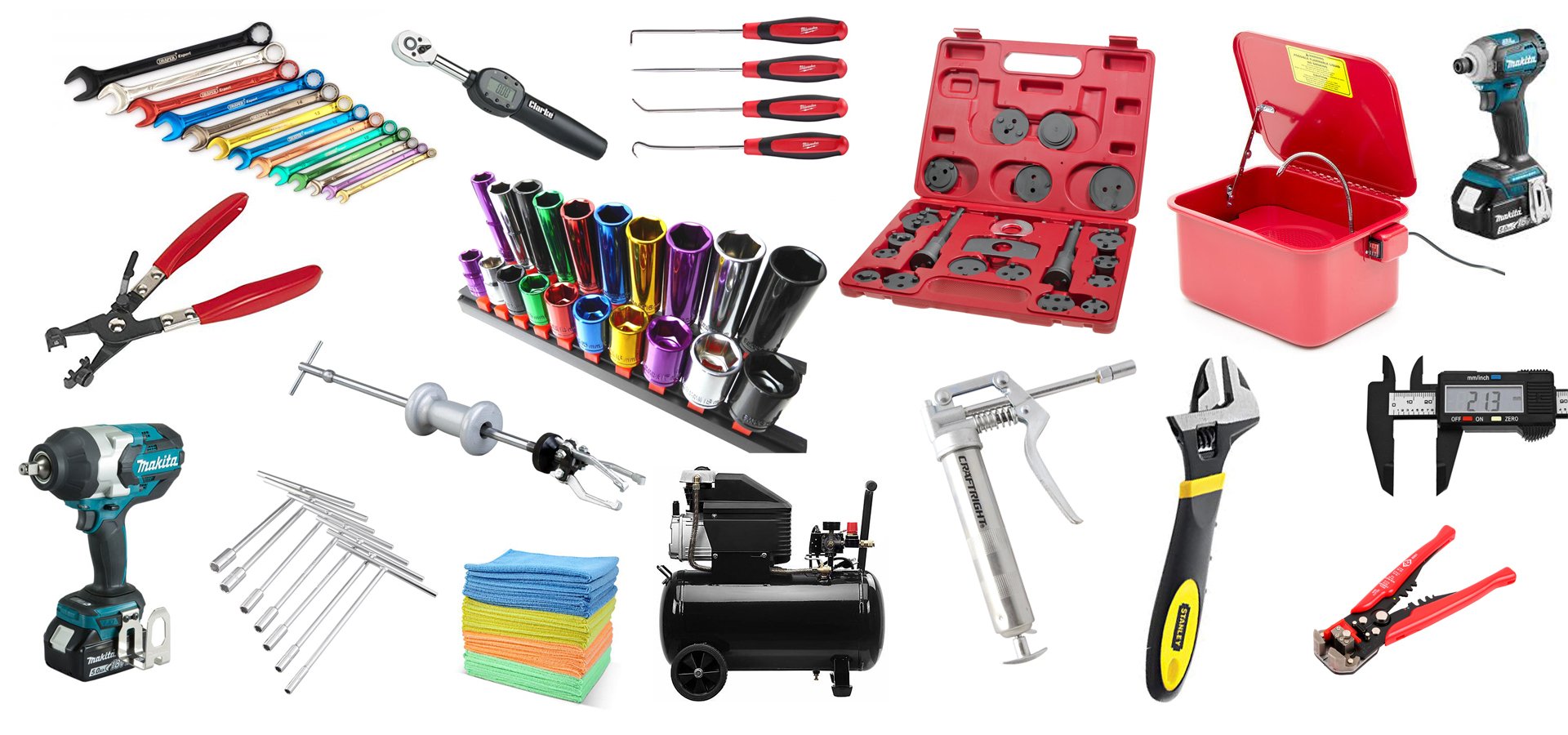
Combination wrenches feature an open-end and a box-end on opposite sides. The open-end is perfect for quick loosening or tightening, while the box-end provides more torque and a secure fit on nuts and bolts. Investing in a set that includes both metric and SAE sizes will ensure you’re prepared for any job.
Torque Wrenches
Precision is key in automotive work, and that’s where torque wrenches come into play. They allow you to apply a specific amount of torque to a fastener, which is critical for tasks such as engine assembly. Over-tightening can cause damage, while under-tightening may lead to components coming loose.
Screwdrivers: Essential for Precision
A reliable set of screwdrivers is crucial for any mechanic. They are used for a variety of tasks, from removing interior panels to adjusting carburetors. A comprehensive set should include various sizes and types to suit different fasteners.
Flathead and Phillips
These are the most common types of screwdrivers. Flathead screwdrivers are used for slotted screws, while Phillips screwdrivers are designed for screws with a cross-shaped slot. Having multiple sizes of each ensures you’ll always have the right tool for the job.
Precision Screwdrivers
For intricate work on small components, such as electronics or small engine parts, precision screwdrivers are essential. These tools allow for delicate adjustments without damaging the components.
Pliers: Versatile and Reliable
Pliers are another versatile tool that no mechanic should be without. They come in handy for gripping, twisting, bending, and cutting wires and other materials. A well-rounded set of pliers will cover a multitude of tasks.
Needle-Nose Pliers
These pliers are perfect for reaching into tight spaces and holding small objects. Their long, slender shape makes them ideal for tasks like bending wire or retrieving dropped screws.
Slip-Joint Pliers
Slip-joint pliers have an adjustable pivot point, which allows the jaws to open wider. This makes them suitable for gripping a variety of objects, from nuts and bolts to pipes and hoses.
Hammers: More Than Just for Nails
Hammers are not just for carpentry; they are equally important in a mechanic’s toolkit. Whether you’re driving screws, shaping metal, or breaking apart rusted components, a good hammer is invaluable.
Ball-Peen Hammers
Known for their rounded peen on one end, ball-peen hammers are used for shaping metal and riveting. They are essential for tasks that require a bit more force and precision.
Dead Blow Hammers
Dead blow hammers are designed to minimize damage to surfaces. They are filled with sand or lead shot, which prevents the hammer from bouncing back after striking. This makes them ideal for tasks where precision and control are key.
Sockets and Ratchets: For Efficient Fastening
No mechanic’s toolkit is complete without a set of sockets and ratchets. These tools are indispensable for tightening and loosening bolts and nuts quickly and efficiently.
Socket Sets
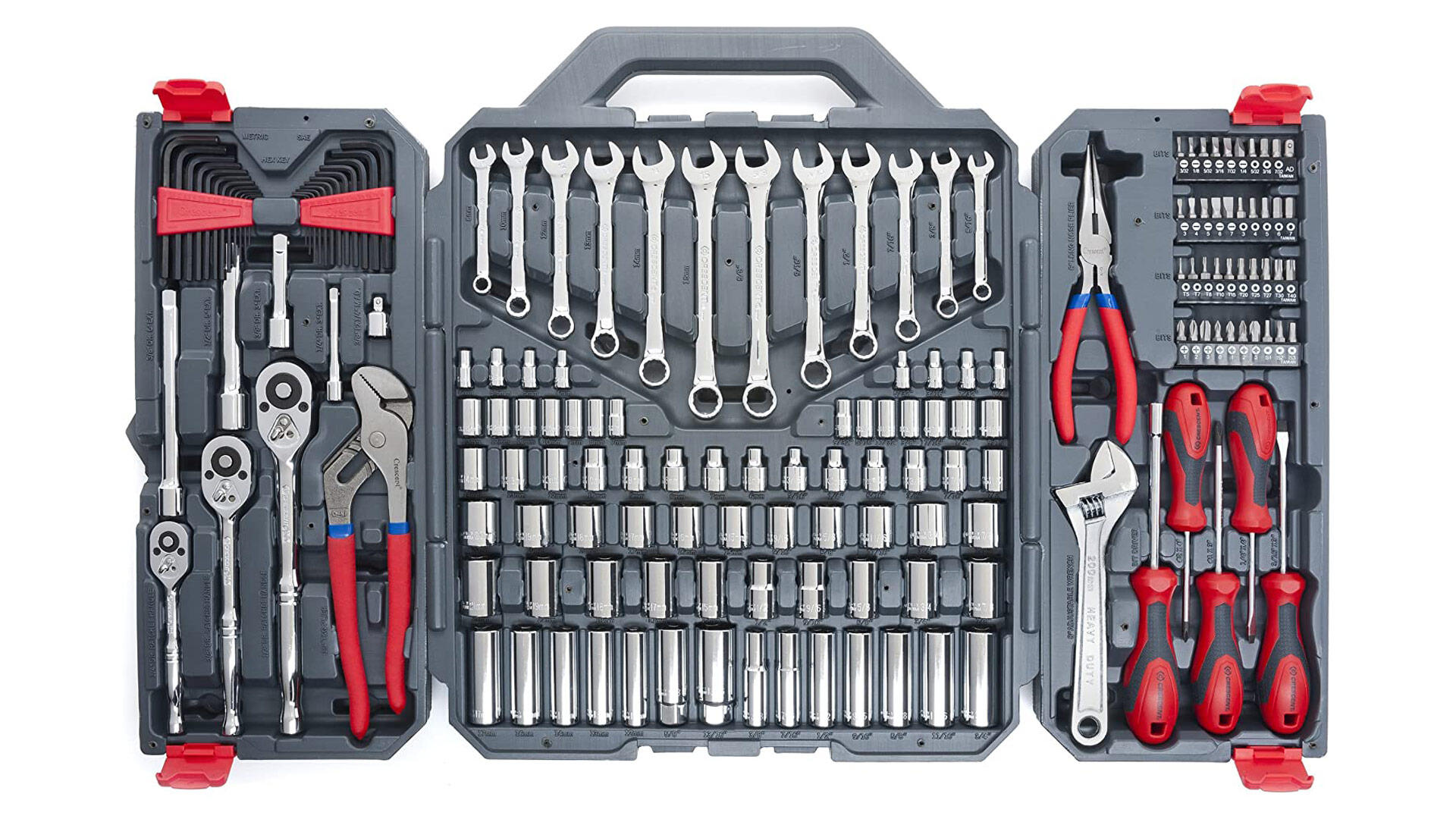
A comprehensive socket set should include a range of sizes in both metric and SAE measurements. Deep sockets are especially useful for reaching bolts in recessed areas.
Ratchets
Ratchets offer a convenient way to apply torque without having to remove and reposition the tool. Look for a ratchet with a comfortable handle and a fine-tooth mechanism for smooth operation.
Multimeters: For Electrical Diagnostics
As cars become increasingly reliant on electrical systems, a multimeter becomes an essential tool for diagnosing issues. It can measure voltage, current, and resistance, helping you troubleshoot electrical problems efficiently.
Digital Multimeters
Digital multimeters offer accurate readings and are generally easier to use than their analog counterparts. Look for a model with features such as auto-ranging, backlit displays, and protective casings.
Conclusion
Equipping your toolbox with these essential automotive hand tools will prepare you for virtually any task. Whether you’re working on routine maintenance or tackling a complex repair, having the right tools at your disposal ensures that you can work safely, efficiently, and effectively. Remember, investing in quality tools pays off in the long run, as they will last longer and perform better, making your job easier and more enjoyable.
#ChatGPT assisted in the creation of this article.





Post Comment