Optimize Your Car’s Performance with Timely Transmission Fluid Change

In the world of automotive care, maintaining optimal performance is the ultimate goal for any vehicle owner. One of the crucial, yet often overlooked, components of car maintenance is the transmission system. The transmission is responsible for transferring power from the engine to the wheels, enabling your vehicle to move. A key aspect of maintaining a healthy transmission is ensuring that the transmission fluid is changed at the appropriate intervals. This article delves into the importance of transmission fluid, the signs that indicate a change is needed, and how timely fluid changes can optimize your car’s performance.
The Role of Transmission Fluid
Transmission fluid is the lifeblood of your car’s transmission system. It serves several critical functions that keep the transmission running smoothly. Primarily, it acts as a lubricant for the moving parts within the transmission, reducing friction and preventing wear and tear. Additionally, transmission fluid serves as a coolant, helping to dissipate heat generated by the transmission’s components. It also acts as a hydraulic fluid, facilitating the gear changes within the automatic transmission system.
Types of Transmission Fluid
Understanding the type of transmission fluid your vehicle requires is essential. There are generally two types of transmission fluid: automatic transmission fluid (ATF) and manual transmission fluid. ATF is used in vehicles with automatic and some modern manual transmissions due to its specific properties, such as friction modifiers and detergents that cater to automatic gear systems. Manual transmission fluid, on the other hand, is often more straightforward and might resemble motor oil in its properties. Always consult your vehicle’s owner manual or a trusted mechanic to ensure you are using the correct type for your car.
Why Timely Transmission Fluid Change is Crucial
Like any other fluid in your vehicle, transmission fluid deteriorates over time. Exposure to heat and operational stresses gradually breaks down its chemical structure, reducing its effectiveness. Here are several reasons why timely transmission fluid changes are essential:
Preventing Transmission Overheating
As the transmission fluid degrades, its ability to cool and lubricate the transmission diminishes. This can lead to increased friction and heat, causing the transmission to overheat. Overheating can result in significant damage to the transmission components, leading to expensive repairs or even complete transmission failure.
Improving Gear Shifts
Clean transmission fluid ensures smooth and precise gear shifts. Dirty or old fluid can cause slipping, delayed shifting, or hard shifts, which not only affect driving comfort but can also put unnecessary strain on the transmission components.
Extending Transmission Lifespan
Regular transmission fluid changes help to keep the transmission system clean and free from debris. This reduces wear on the transmission parts and can significantly extend the lifespan of the transmission. In contrast, neglecting this maintenance can lead to early deterioration and costly repairs.
Signs Your Transmission Fluid Needs Changing
Knowing when to change your transmission fluid is crucial for maintaining your vehicle’s performance. Here are some signs that indicate it might be time for a transmission fluid change:
Unusual Noises
If you notice grinding or whining noises coming from the transmission, it could be a sign that the fluid is old or contaminated. These noises often occur because the fluid is no longer providing adequate lubrication to the moving parts.
Slipping Gears
A transmission that slips out of gear or has trouble staying in gear might be suffering from low or degraded transmission fluid. This can lead to a lack of power and increased fuel consumption.
Delayed or Rough Shifting
If your car hesitates before shifting or if the shifts are rough and jarring, the transmission fluid might be too viscous or dirty to function properly. This is a clear indication that a fluid change is needed.
Fluid Leaks
Regularly check for fluid leaks under your vehicle. Transmission fluid is typically a bright red color and has a distinct, sweet smell. If you notice a leak, it’s important to address it promptly to prevent further damage.
How Often Should You Change Transmission Fluid?
The frequency of transmission fluid changes can vary based on the type of vehicle, the type of fluid used, and driving conditions. As a general guideline, many manufacturers recommend changing the transmission fluid every 30,000 to 60,000 miles for automatic transmissions. Vehicles that are frequently used for towing or in extreme conditions may require more frequent changes. Always refer to your vehicle’s owner manual for the manufacturer’s recommendations.
Performing a Transmission Fluid Change
While some car owners prefer to have a professional mechanic handle transmission fluid changes, it is a task that can be done at home with the right tools and knowledge. Here’s a basic outline of the process:
Gather Necessary Tools and Materials
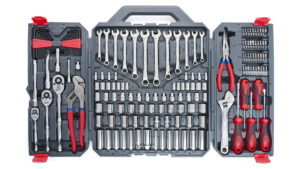
You’ll need the appropriate type and amount of transmission fluid, a new transmission filter (if applicable), a sealable container for old fluid, a funnel, and basic hand tools.
Drain the Old Fluid
Start by elevating the car safely using jack stands. Locate the transmission fluid pan and place the container underneath. Remove the pan bolts and allow the old fluid to drain completely.
Replace the Filter
If your vehicle has a replaceable transmission filter, now is the time to change it. Remove the old filter and install the new one according to your vehicle’s specifications.
Install the Pan and Refill with New Fluid
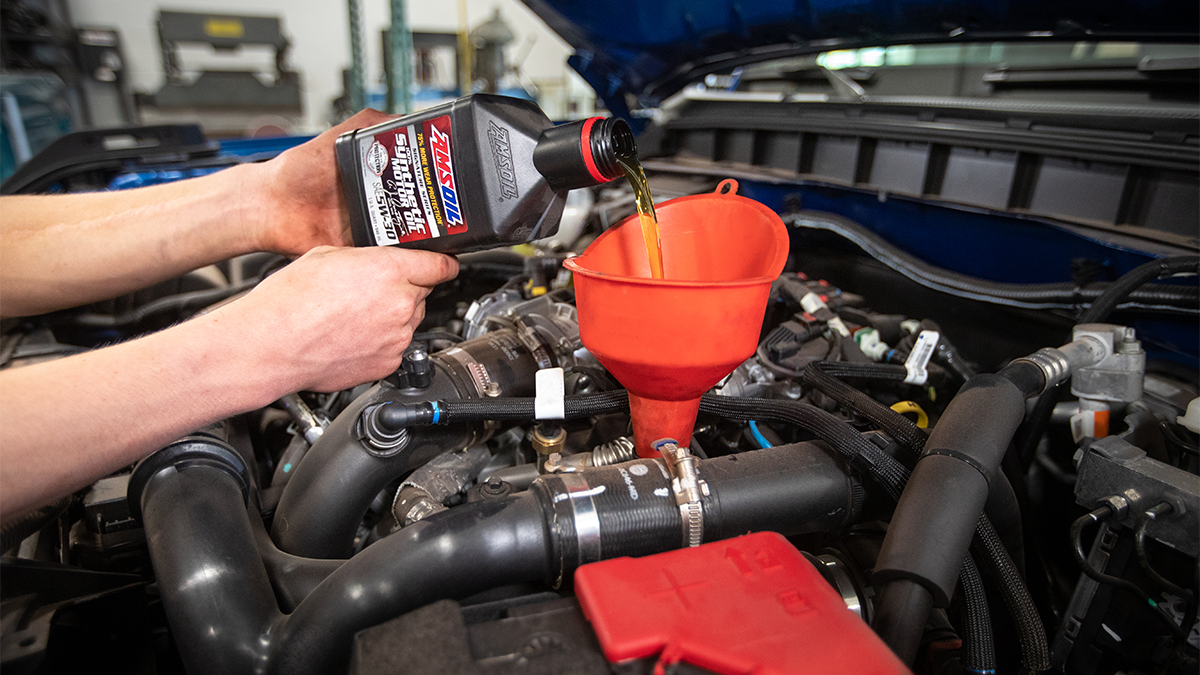
Once the old fluid has drained and the filter is replaced, reinstall the transmission pan with a new gasket. Use the funnel to add the new transmission fluid through the filler tube, checking the level frequently to avoid overfilling.
Conclusion
Regular transmission fluid changes are an essential aspect of car maintenance that can significantly improve your vehicle’s performance and longevity. By understanding the role of transmission fluid, recognizing the signs of degradation, and following the recommended change intervals, you can prevent costly repairs and ensure a smooth driving experience. Whether you choose to perform the fluid change yourself or entrust it to a professional, taking action at the right time is key to keeping your transmission—and your car—running optimally.








Post Comment