Essential Coolant Flush Guide for Optimal Engine Health
In the realm of car maintenance, ensuring the longevity and efficiency of your vehicle’s engine is paramount. One often overlooked yet crucial aspect of engine care is the coolant flush. A coolant flush, sometimes referred to as a radiator flush, is a simple yet effective way to maintain optimal engine health. This process involves draining the old engine coolant and replacing it with new fluid to keep the engine running smoothly and prevent overheating. In this comprehensive guide, we’ll delve into the importance of a coolant flush, the steps involved, and tips for maintaining your vehicle’s cooling system.
Why is a Coolant Flush Necessary?
Prevention of Engine Overheating
The primary role of engine coolant is to regulate the temperature of the engine. It absorbs heat generated by the engine and dissipates it through the radiator. Over time, coolant can degrade or become contaminated, reducing its effectiveness. A coolant flush helps remove old, ineffective coolant, ensuring that your engine stays at a safe operating temperature and reducing the risk of overheating.
Corrosion and Scale Prevention
As coolant ages, it can become acidic and corrosive, leading to rust and scale build-up within the cooling system. This can clog passages and reduce coolant flow, further increasing the risk of overheating and damaging engine components. A regular coolant flush removes these contaminants, preventing corrosion and maintaining the integrity of the cooling system.
Lubrication of Water Pump
Coolant contains additives that lubricate the water pump, an essential component in the cooling system. This lubrication reduces wear and tear on the pump, ensuring it operates efficiently and prolongs its lifespan. A fresh supply of coolant helps maintain these lubrication properties.
How Often Should You Perform a Coolant Flush?
The frequency of coolant flushes can vary based on vehicle make, model, and driving conditions. A general rule of thumb is to perform a coolant flush every 30,000 miles or every two to three years, whichever comes first. However, it is crucial to consult your vehicle’s owner’s manual for manufacturer-specific recommendations. Additionally, if you notice signs of coolant degradation, such as a sweet smell, rust-colored fluid, or frequent overheating, it’s wise to perform a flush sooner.
The Coolant Flush Process
Gathering the Necessary Tools and Supplies
Before you begin, ensure you have the necessary tools and supplies, including:
- A drain pan to catch old coolant
- New coolant (consult your owner’s manual for the correct type)
- Distilled water for flushing
- A funnel
- Protective gloves and goggles
- Basic hand tools (such as a wrench and pliers)
Step-by-Step Coolant Flush Procedure
Step 1: Safety Precautions
Ensure the engine is completely cool before beginning the process to prevent burns. Park the vehicle on a level surface and engage the parking brake. Wear protective gloves and goggles to protect against spills and splashes.
Step 2: Draining the Old Coolant
Locate the radiator drain plug, typically found at the bottom of the radiator. Position the drain pan underneath the plug to catch the old coolant. Carefully remove the plug, allowing the coolant to drain completely. Be sure to dispose of the old coolant properly, as it is hazardous to the environment.
Step 3: Flushing the Cooling System
After draining the old coolant, it’s time to flush the system with distilled water. Reinstall the drain plug and fill the radiator with distilled water using a funnel. Start the engine and allow it to run for 10-15 minutes with the heater on high. This step ensures that any remaining old coolant and contaminants are thoroughly flushed out. Turn off the engine, let it cool, and then drain the water from the radiator.
Step 4: Adding New Coolant
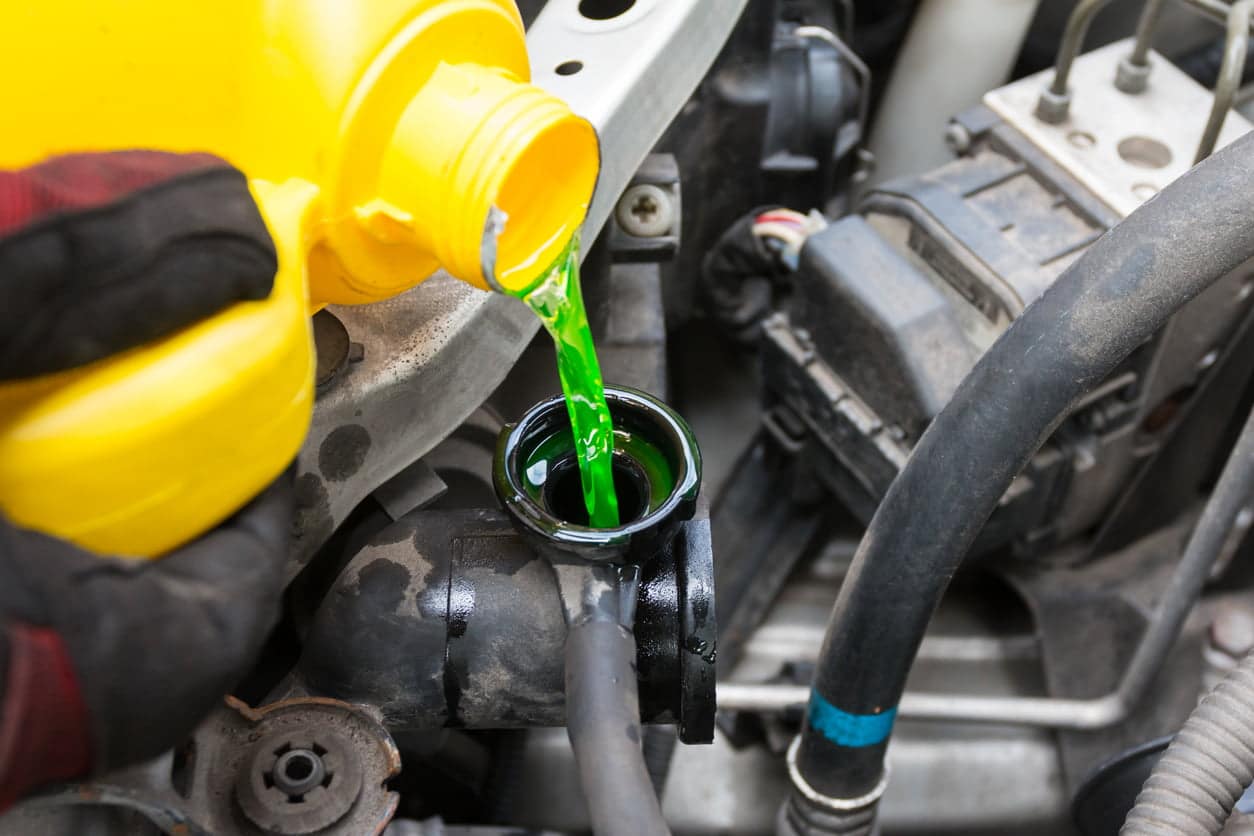
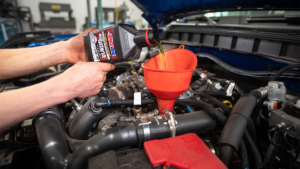
With the system flushed, replace the drain plug and fill the radiator with the appropriate mixture of new coolant and distilled water. Most vehicles require a 50/50 mixture, but it’s essential to check your owner’s manual for specific recommendations. Use a funnel to prevent spills and overfilling. Once filled, start the engine and let it run with the heater on, allowing any trapped air to escape. Check the coolant level and top up if necessary.
Step 5: Final Checks
After completing the coolant flush, inspect the system for leaks. Ensure that all hoses and connections are secure. Check the coolant level in the overflow reservoir and adjust as needed. Monitor the engine temperature during a test drive to ensure the cooling system functions correctly.
Tips for Maintaining Your Vehicle’s Cooling System
Regular Inspections
Regularly inspect the cooling system components, including hoses, clamps, and the radiator, for signs of wear or leaks. Catching potential issues early can prevent costly repairs down the road.
Monitor Coolant Levels
Periodically check the coolant level in the overflow reservoir and top up if necessary. Low coolant levels can lead to overheating and engine damage.
Use the Correct Coolant
Always use the type of coolant recommended by your vehicle’s manufacturer. Different coolants have specific properties and additives designed for specific engine types.
Conclusion
A coolant flush is an essential maintenance task that plays a critical role in maintaining your engine’s health and performance. By following the steps outlined in this guide, you can ensure that your vehicle’s cooling system continues to operate efficiently, preventing overheating, corrosion, and costly repairs. Regular coolant flushes, along with routine inspections and maintenance, will contribute to the longevity and reliability of your vehicle, ensuring it runs smoothly for years to come.









Post Comment