Optimize Engine Performance with Timely Spark Plug Replacement
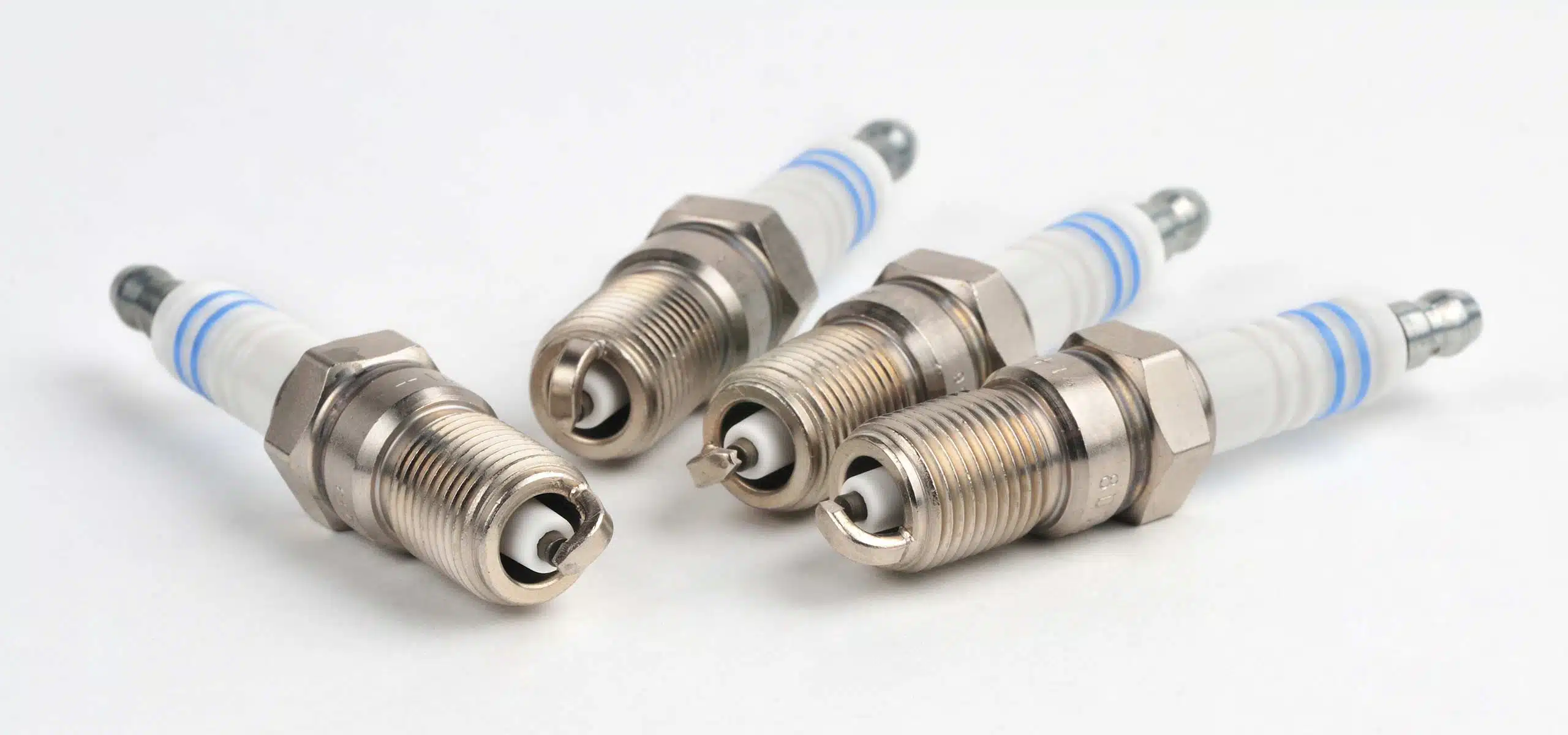
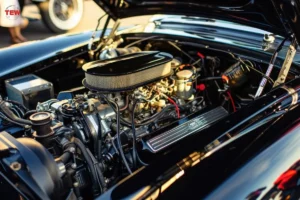
A car engine is a complex piece of machinery, relying on multiple components working in unison to deliver optimal performance. Among these components, spark plugs play a pivotal role in ensuring the engine runs smoothly and efficiently. Unfortunately, they are often overlooked during routine maintenance checks. Understanding how timely spark plug replacement can optimize engine performance is crucial for any car owner who wishes to maintain their vehicle’s longevity and efficiency.
The Role of Spark Plugs
Spark plugs are small but mighty components of your vehicle’s ignition system. They are responsible for creating the spark that ignites the air-fuel mixture within the engine cylinders. This ignition is what ultimately powers the engine. The efficiency of this process directly impacts the engine’s performance, fuel efficiency, and emissions.
Each spark plug consists of a terminal, insulator, and electrodes. When voltage from the ignition coil flows through the spark plug, it creates a spark across the gap between the electrodes, igniting the air-fuel mixture. The precise timing and strength of this spark are essential for optimal engine performance.
Signs of Worn-Out Spark Plugs
Over time, spark plugs can become worn or fouled, leading to suboptimal engine performance. Recognizing the signs of worn-out spark plugs can help car owners address issues before they escalate. Common symptoms include:
- Rough Idling: If your engine is idling roughly or vibrating excessively, it could indicate that the spark plugs are not firing properly.
- Difficulty Starting: Worn spark plugs may struggle to produce a strong enough spark, making it harder to start the engine.
- Poor Fuel Efficiency: A decline in fuel efficiency often results from incomplete combustion due to faulty spark plugs.
- Engine Misfires: If your engine is misfiring, it could be due to uneven ignition caused by deteriorating spark plugs.
- Increased Emissions: Faulty spark plugs may lead to increased emissions as the combustion process becomes less efficient.
Benefits of Timely Spark Plug Replacement
Replacing spark plugs at the recommended intervals can bring numerous benefits to engine performance and overall vehicle health. Here are some key advantages:
Improved Engine Performance
New spark plugs provide a strong and consistent spark, ensuring efficient combustion. This results in smoother engine operation, increased power, and better acceleration. An engine with properly functioning spark plugs is more responsive and delivers a more enjoyable driving experience.
Enhanced Fuel Efficiency
Efficient combustion leads to optimal fuel use, reducing waste and improving fuel economy. By replacing worn spark plugs, you can save money on fuel costs and reduce your carbon footprint.
Reduced Emissions
Faulty spark plugs can lead to incomplete combustion, increasing harmful emissions. New spark plugs ensure that the air-fuel mixture burns completely, reducing emissions and contributing to a cleaner environment.
Prolonged Engine Life
Regularly replacing spark plugs reduces the strain on the engine and prevents damage caused by misfires and incomplete combustion. This maintenance practice can extend the engine’s lifespan and reduce the likelihood of costly repairs.
When to Replace Spark Plugs
The recommended interval for spark plug replacement varies depending on the type of spark plug and vehicle manufacturer guidelines. Typically, standard copper spark plugs should be replaced every 20,000 to 30,000 miles, while platinum or iridium spark plugs can last between 60,000 and 100,000 miles.
It’s essential to consult your vehicle’s owner’s manual for specific recommendations and to perform regular inspections. Checking the condition of your spark plugs during routine maintenance can help identify when replacement is necessary.
Choosing the Right Spark Plugs
Selecting the right spark plugs for your vehicle is crucial for optimizing engine performance. Several factors should be considered when choosing spark plugs:
Material
Spark plugs are available in various materials, including copper, platinum, and iridium. Copper spark plugs offer good performance but have a shorter lifespan. Platinum and iridium plugs provide better longevity and performance, making them a popular choice for modern vehicles.
Heat Range
The heat range of a spark plug indicates its ability to dissipate heat. It’s essential to choose spark plugs with the correct heat range for your engine to prevent overheating or fouling.
Gap Size
The gap size between the electrodes affects the spark’s strength and timing. It’s crucial to ensure the gap size matches the manufacturer’s specifications for your vehicle.
DIY Spark Plug Replacement
Replacing spark plugs is a relatively simple task that can be done at home with the right tools and knowledge. Here’s a step-by-step guide to help you replace your spark plugs:
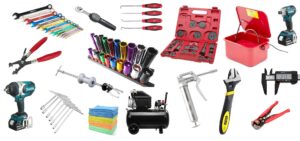
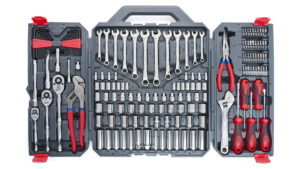
- Gather Tools and Materials: You’ll need a spark plug socket, ratchet, extension bar, gap gauge, and the new spark plugs.
- Prepare the Vehicle: Ensure the engine is cool before starting. Disconnect the negative battery terminal for safety.
- Locate the Spark Plugs: Refer to your vehicle’s manual to find the spark plug locations. They are typically located on the engine cylinder head.
- Remove the Old Spark Plugs: Use the spark plug socket and ratchet to carefully remove the old spark plugs.
- Check and Adjust Gap Size: Use the gap gauge to check the gap size of the new spark plugs. Adjust if necessary to match the manufacturer’s specifications.
- Install the New Spark Plugs: Carefully thread the new spark plugs into place by hand, then tighten with the socket and ratchet.
- Reconnect Components: Reattach the negative battery terminal and any components you removed to access the spark plugs.
- Test the Engine: Start the engine to ensure it runs smoothly and that there are no issues with the new spark plugs.
Conclusion
Timely spark plug replacement is a simple yet effective way to optimize engine performance. By understanding the role of spark plugs, recognizing signs of wear, and following maintenance recommendations, car owners can ensure their vehicles run efficiently and reliably. Whether you choose to replace spark plugs yourself or seek professional assistance, this essential maintenance task should never be overlooked. Investing in regular spark plug replacement will pay off in the form of improved performance, fuel efficiency, and a longer-lasting engine.







Post Comment