Optimal Oil Change Interval: Maximize Engine Longevity
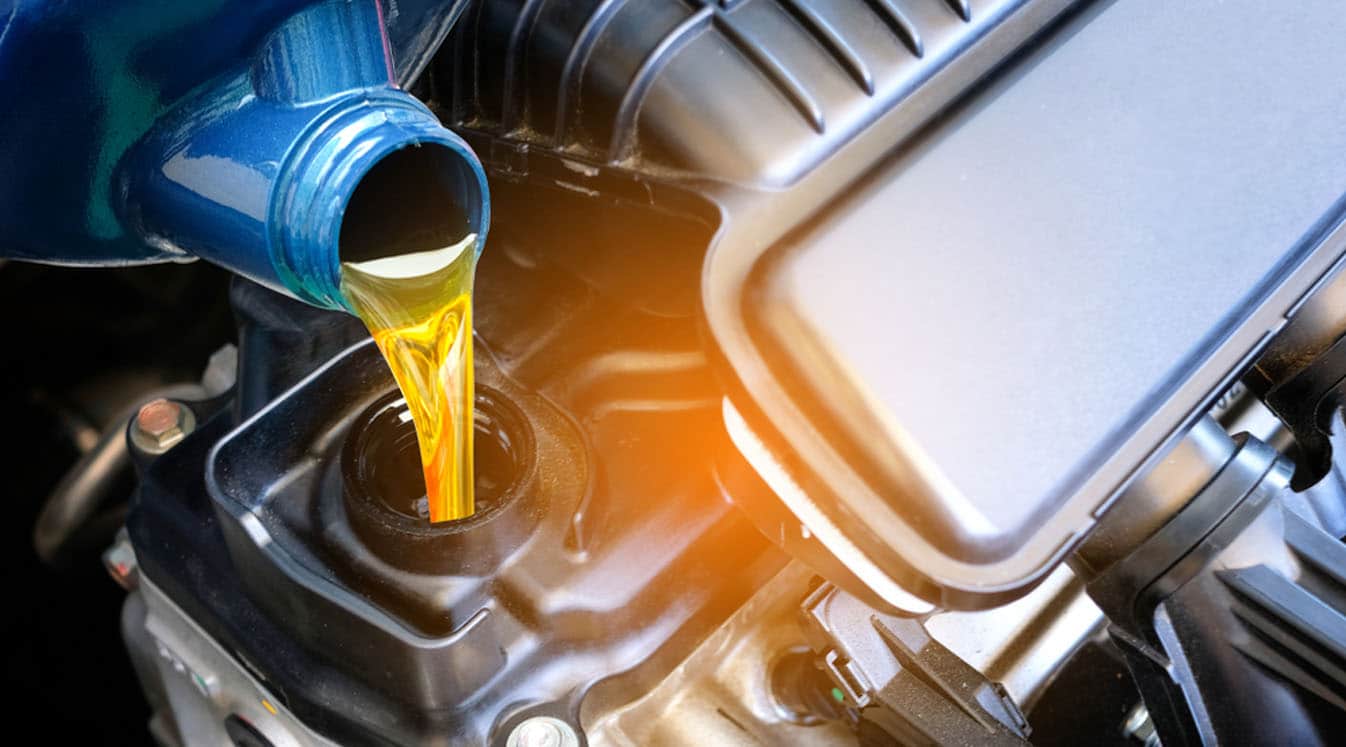
Regular maintenance is crucial for ensuring any vehicle’s longevity and optimal performance. Among the myriad of maintenance tasks, changing the engine oil stands out as one of the most essential. Oil lubricates the engine’s moving parts, reduces friction, and helps to keep the engine cool. However, one of the most debated topics among car enthusiasts and experts alike is determining the optimal oil change interval. In this article, we will explore the factors that influence oil change frequency and provide guidelines to maximize engine longevity.
Understanding Engine Oil
The Role of Engine Oil
Engine oil plays a pivotal role in vehicle operation. It reduces friction between moving parts, minimizing wear and tear. Additionally, it helps in dissipating heat away from the combustion cycle, ensuring that the engine remains at an optimal operating temperature. Engine oil also collects and carries away dirt, debris, and microscopic metal particles, preventing them from causing damage.
Types of Engine Oils
There are primarily three types of engine oils: conventional, synthetic, and blend. Conventional oil is derived from crude oil and is suitable for older car models. Synthetic oils are chemically engineered to provide superior lubrication and are ideal for high-performance engines. Synthetic blends offer a middle ground, combining the affordability of conventional oils with some of the benefits of synthetic oils.
Factors Influencing Oil Change Intervals
Driving Conditions
The manner in which a vehicle is driven significantly impacts the oil change interval. Vehicles driven under severe conditions—such as frequent short trips, stop-and-go traffic, towing heavy loads, or driving in extreme temperatures—require more frequent oil changes. Such conditions accelerate oil degradation and contamination.
Oil Type
The type of oil used also influences how often it should be changed. While conventional oils typically require changes every 3,000 to 5,000 miles, synthetic oils can last between 7,500 to 10,000 miles, or even longer, depending on the manufacturer’s specifications. Synthetic blends fall somewhere in between.
Vehicle Age and Engine Type
Older vehicles or those with high mileage may benefit from more frequent oil changes due to potential engine wear that can lead to increased oil consumption. Additionally, the type of engine—whether it’s a turbocharged engine or a naturally aspirated one—can also dictate oil change intervals, as turbocharged engines often operate at higher temperatures and may stress the oil more.
Manufacturer Recommendations
Vehicle manufacturers provide guidelines on oil change intervals, typically found in the owner’s manual. These recommendations are based on extensive testing and are designed to maximize the engine’s life while considering the average driving conditions. Adhering to these guidelines is a safe bet for most drivers.
Signs That It’s Time for an Oil Change
Visible Changes in Oil
One of the simplest ways to determine if an oil change is necessary is by checking the oil’s appearance. Fresh oil is typically amber and translucent. Over time, it becomes darker and may appear gritty due to contaminants. If the oil is excessively dirty, it’s time for a change.
Dashboard Warning Lights
Modern vehicles are equipped with sensors that monitor engine conditions. If the oil change or check engine light appears on the dashboard, it’s an indicator that the oil or oil filter may need attention.
Noisy Engine
If the engine is louder than usual or produces knocking sounds, it may indicate that the oil is not adequately lubricating the engine components. This could be due to degraded oil or low oil levels, both of which warrant an immediate oil change.
Benefits of Regular Oil Changes
Adhering to optimal oil change intervals offers numerous benefits. Regular oil changes promote efficient engine performance, improve fuel efficiency, and reduce harmful emissions. Moreover, fresh oil ensures that the engine remains well-lubricated, thereby reducing wear and extending the engine’s lifespan.
Conclusion
Determining the optimal oil change interval is not a one-size-fits-all scenario. It requires considering various factors such as driving conditions, oil type, vehicle age, and manufacturer recommendations. By understanding these variables and recognizing the signs of oil degradation, drivers can ensure their engines remain in peak condition, maximizing longevity and performance. Regular oil changes are a small investment that provides significant returns in terms of engine health and vehicle reliability.











Post Comment