Top Symptoms Indicating a Failing Car Alternator
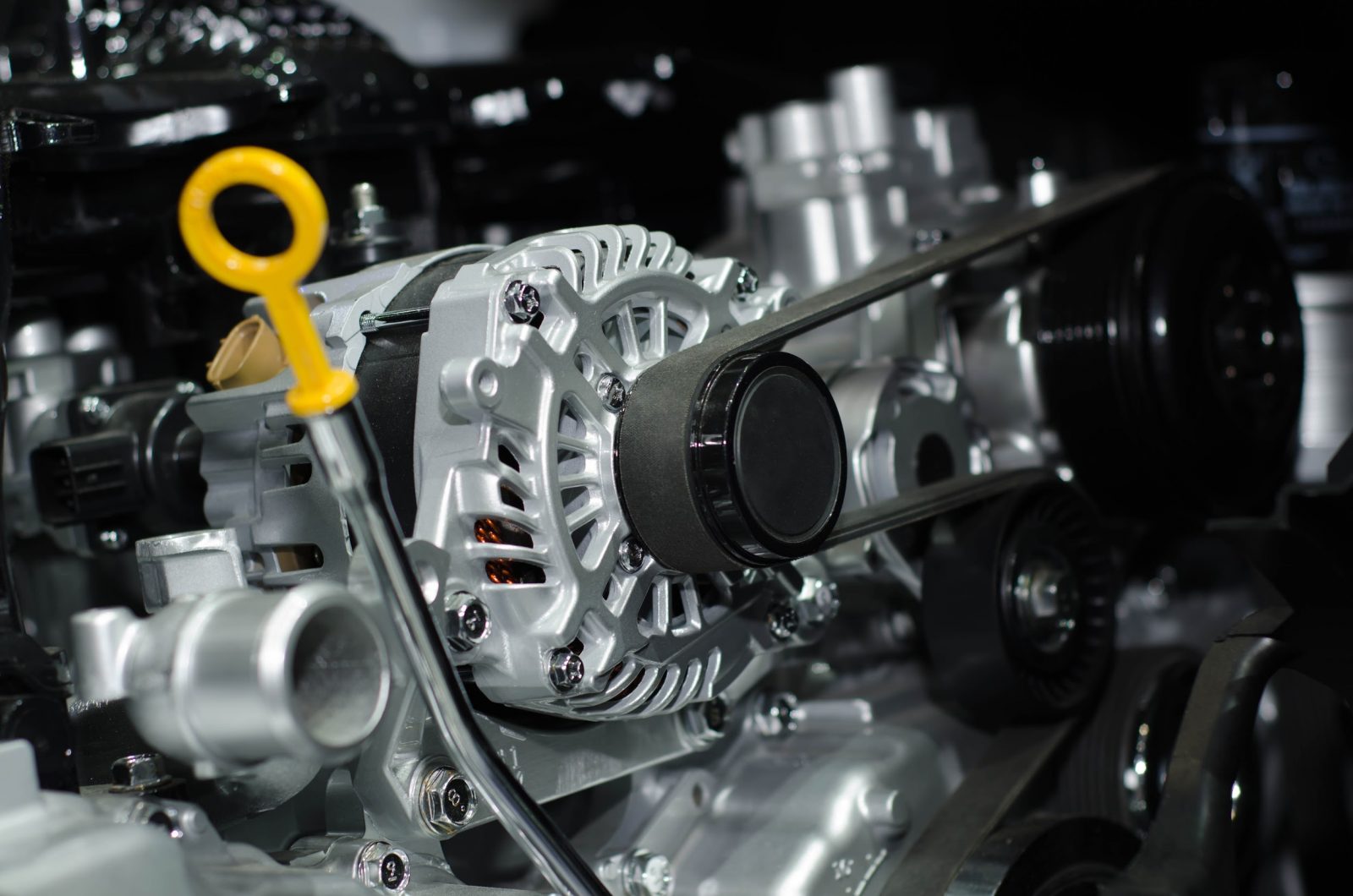
The alternator is a crucial component of a vehicle’s electrical system, responsible for keeping the battery charged and powering various electrical accessories while the engine is running. A failing alternator can lead to a host of problems, potentially leaving you stranded if the battery gets depleted. Recognizing the symptoms of a failing alternator early can save you from inconvenience and costly repairs. In this article, we will explore the top symptoms that indicate a failing car alternator.
1. Dimming or Flickering Lights
One of the most common symptoms of a failing alternator is dimming or flickering lights. Your vehicle’s headlights, dashboard lights, and interior lights rely on the alternator for power. If the alternator is failing, it may not supply a consistent voltage to these components, resulting in fluctuating light intensity. If you notice that your headlights are dim when you are idling but brighten when you rev the engine, it could be a sign that your alternator is not functioning properly.
2. Battery Warning Light
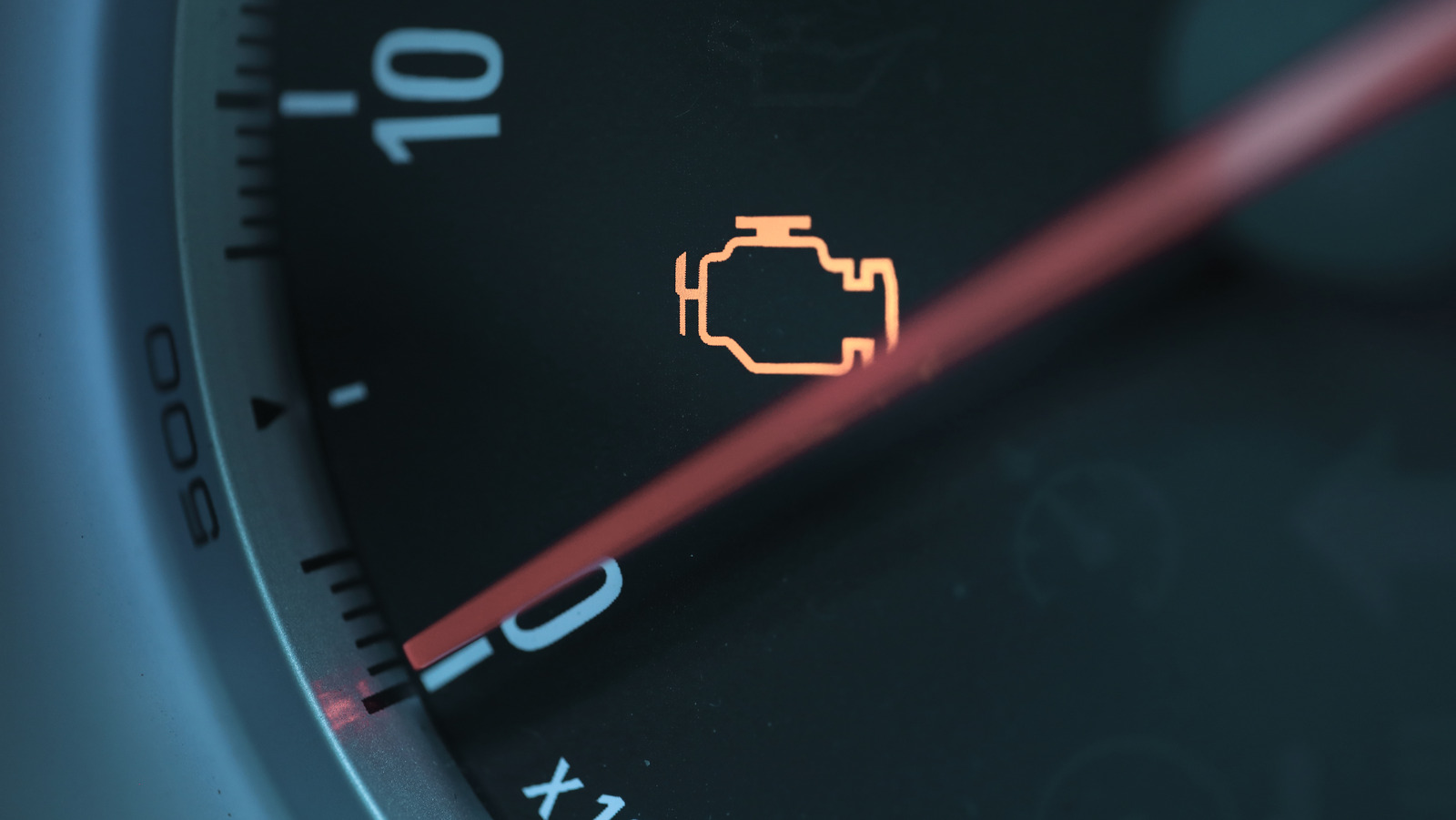
Modern vehicles are equipped with a dashboard warning light that alerts drivers to potential issues with the battery or charging system. This light, often shaped like a battery or labeled “ALT” or “GEN,” illuminates when the alternator is not providing sufficient voltage. If this light comes on while driving, it is a clear indication that the alternator may be failing. However, it’s essential to note that this light can also indicate other issues within the charging system, so a proper diagnosis is crucial.
3. Weak or Dead Battery
A weak or dead battery is another symptom associated with a failing alternator. The alternator charges the battery while the engine is running, so if it is not functioning correctly, the battery will not receive adequate charge. As a result, you may experience difficulty starting your vehicle or find that the battery is completely drained. If you have had to jump-start your car multiple times recently, it might be due to a failing alternator rather than a bad battery.
4. Strange Noises
Strange noises coming from the engine bay can be a sign of a failing alternator. A faulty alternator may produce a grinding or whining noise, often due to worn-out bearings or a misaligned alternator pulley. These noises typically increase with engine speed and can be heard when the alternator is under load, such as when the air conditioning or other electrical accessories are running. If you hear unusual noises from your engine compartment, have it checked by a professional to determine if the alternator is the culprit.
5. Electrical Issues
Your vehicle’s alternator powers various electrical components, including the radio, power windows, and air conditioning. If the alternator is failing, you may experience issues with these systems. The radio may cut out, power windows may operate slowly, or the air conditioning may not work as efficiently. These electrical issues occur because the alternator is not supplying enough power to meet the demands of these components.
6. Difficulty Starting the Engine
A failing alternator can also lead to difficulty starting the engine. When the alternator is not charging the battery sufficiently, the battery does not have enough power to turn over the engine. This can result in a slow or labored start, or in some cases, the engine may not start at all. If you notice a sluggish start, especially in conjunction with other symptoms mentioned in this article, it is worth having your alternator tested.
7. Frequent Stalling
Frequent stalling of the engine can be another symptom of alternator failure. The alternator supplies power to the ignition system, and if it is not functioning correctly, the spark plugs may not receive enough power to maintain engine combustion. This can lead to the engine stalling, particularly at idle or low speeds. If your vehicle stalls frequently and you suspect the alternator is at fault, it is advisable to have it inspected as soon as possible.
8. Burning Smell
A burning smell coming from the engine bay can indicate an issue with the alternator. This smell often occurs if the alternator’s wiring or internal components are overheating due to excessive demand or an internal failure. It can also result from a misaligned or slipping alternator belt, which can generate friction and heat. If you detect a burning odor, it is crucial to address the issue promptly to prevent further damage to the alternator or other engine components.
9. Overcharging or Undercharging
A malfunctioning alternator can cause the battery to be overcharged or undercharged. Overcharging occurs when the alternator produces too much voltage, which can damage the battery and other electrical components. Undercharging, on the other hand, means the alternator is not supplying enough voltage, leading to a depleted battery. Both scenarios can cause the vehicle to exhibit symptoms such as dimming lights, poor electrical performance, and battery-related issues. A professional diagnosis can determine whether the alternator is overcharging or undercharging the battery.
10. Dashboard Malfunctions
In some cases, a failing alternator can cause erratic behavior in the vehicle’s dashboard. You may notice the speedometer, tachometer, or other gauges fluctuating or giving inaccurate readings. This occurs because the alternator is not providing stable voltage to the vehicle’s electrical system, causing the dashboard electronics to behave unpredictably. If you experience dashboard malfunctions along with other symptoms, it may be time to have the alternator checked.
Conclusion
Recognizing the symptoms of a failing alternator early can prevent more severe issues down the road. Dimming lights, warning lights on the dashboard, a weak battery, strange noises, and other electrical problems are all indicators that your alternator may be on its way out. If you experience any of these symptoms, it is crucial to have your alternator inspected by a professional mechanic to diagnose and address the problem before it leads to a breakdown. Regular maintenance and timely repairs can ensure your vehicle’s alternator remains in good working condition, providing reliable performance and peace of mind on the road.
#ChatGPT assisted in the creation of this article.









Post Comment