Top Transmission Problem Symptoms You Shouldn’t Ignore
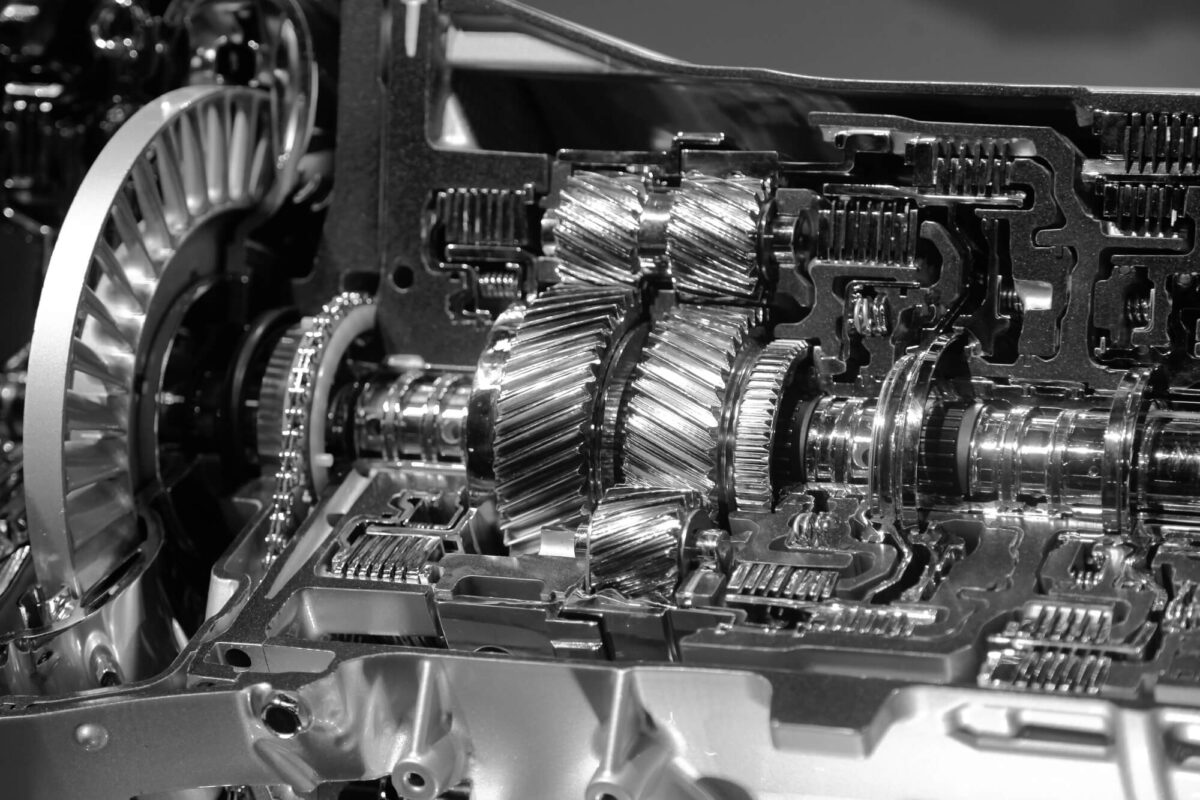
Your vehicle’s transmission is an intricate and essential component that ensures the engine’s power is effectively transferred to the wheels. A healthy transmission is crucial for smooth driving, fuel efficiency, and overall vehicle performance. Ignoring problems with your transmission can lead to costly repairs or even total vehicle failure. This article will guide you through the top transmission problem symptoms you shouldn’t ignore.
Unusual Noises
One of the most common signs of transmission trouble is unusual noises. These can include whining, clunking, or humming sounds that occur when the vehicle is in gear or during acceleration. A manual transmission might exhibit a grinding noise when shifting gears. These noises can indicate worn-out bearings, a lack of lubrication, or other internal issues.
Whining Sounds
A whining noise often suggests a problem with the transmission fluid pump or a worn-out gear. This sound is more noticeable when the vehicle is accelerating or decelerating. It can also indicate low transmission fluid levels, which leads to increased friction and damage over time.
Clunking or Humming Sounds
Clunking or humming noises might suggest a more severe problem, such as a failing transmission or differential. These noises typically indicate that metal components are coming into contact in ways they shouldn’t, potentially due to worn-out gears or bearings.
Slipping Gears
Another significant symptom of transmission problems is when the vehicle unexpectedly slips out of gear. This issue can compromise your control over the vehicle, posing a safety risk. Slipping gears can be due to worn or damaged gears, inadequate transmission fluid, or a failing clutch in manual transmissions.
Sudden Changes in Speed
If you experience sudden changes in speed without any input from you, the driver, it could be a sign of transmission slippage. This can create a dangerous situation, especially at high speeds or in traffic.
Lack of Power
Transmission slipping can also manifest as a lack of power during acceleration. The engine might rev higher than usual without a corresponding increase in speed, indicating that the power generated by the engine isn’t reaching the wheels effectively.
Unresponsive Transmission
An unresponsive transmission is another critical symptom that shouldn’t be ignored. This occurs when there’s a delay or complete lack of response when shifting from park to drive or from one gear to another. It might be due to low transmission fluid, issues with the shift cable, or problems with the computer system in modern vehicles.
Delayed Engagement
Delayed engagement is when there is a noticeable pause between shifting gears and the vehicle moving. This delay might be more pronounced when the vehicle is cold and can be a sign of transmission fluid problems or internal component wear.
Failure to Shift
If your vehicle fails to shift into gear altogether, it could be a sign of a severe transmission issue. This might be caused by a malfunctioning shift solenoid or a problem with the transmission linkage.
Leaking Transmission Fluid
Transmission fluid is vital for lubricating, cooling, and operating various components within the transmission. Leaks can lead to a host of problems, including overheating and poor performance. If you notice red or brown fluid under your vehicle, it’s essential to address the issue immediately.
Identifying Transmission Fluid Leaks
Transmission fluid is typically bright red but can turn brown or black as it ages and becomes contaminated. Checking the fluid level and condition regularly can help identify potential leaks early. Inspect the area under your vehicle for any puddles or stains that might indicate a leak.
Potential Causes of Leaks
Common causes of transmission fluid leaks include damaged seals or gaskets, a cracked transmission pan, or loose bolts. Regular maintenance and inspections can help prevent these issues and catch them before they lead to more significant problems.
Burning Smell
A burning smell while driving can be alarming and is often associated with overheating transmission fluid. This can happen when the fluid becomes too hot, leading to inadequate lubrication and increased friction among the transmission components.
Causes of Overheating Fluid
Overheating can result from low fluid levels, old or contaminated fluid, or a transmission that is overworked. Heavy towing, stop-and-go traffic, or driving in hot weather can exacerbate these issues.
Preventing Overheating
Regularly checking and changing the transmission fluid can help prevent overheating. If you frequently tow heavy loads or drive in challenging conditions, consider installing an auxiliary transmission cooler to help dissipate heat more effectively.
Dashboard Warning Lights
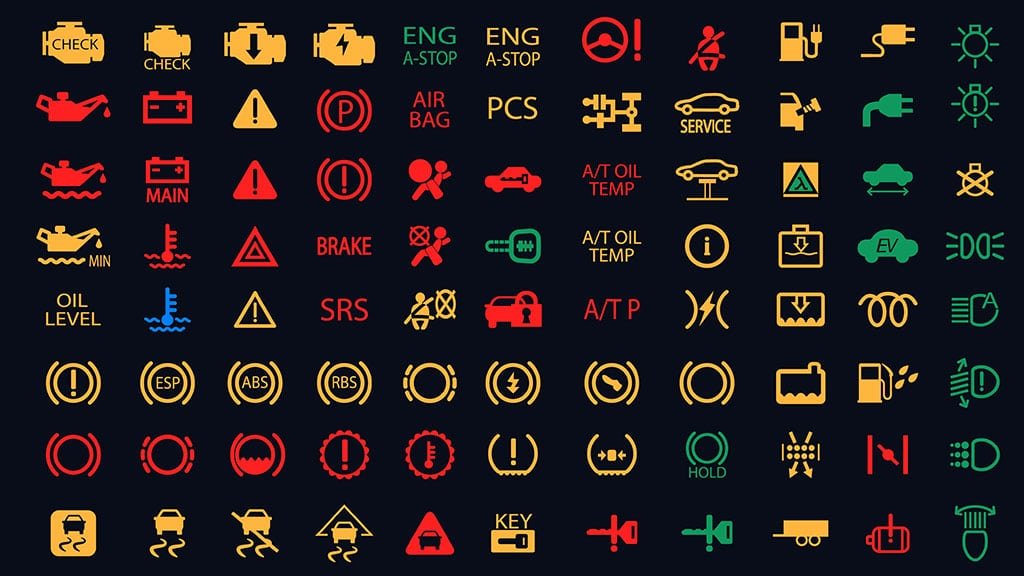
Modern vehicles are equipped with sophisticated computer systems that monitor various components, including the transmission. If you see a transmission warning light on your dashboard, it’s crucial to have your vehicle inspected by a professional immediately.
Understanding Transmission Warning Lights
The transmission warning light can indicate various issues, from minor problems like low fluid levels to more severe concerns like internal component failure. Ignoring these warning lights can lead to more significant damage and costly repairs.
Diagnostic Tools
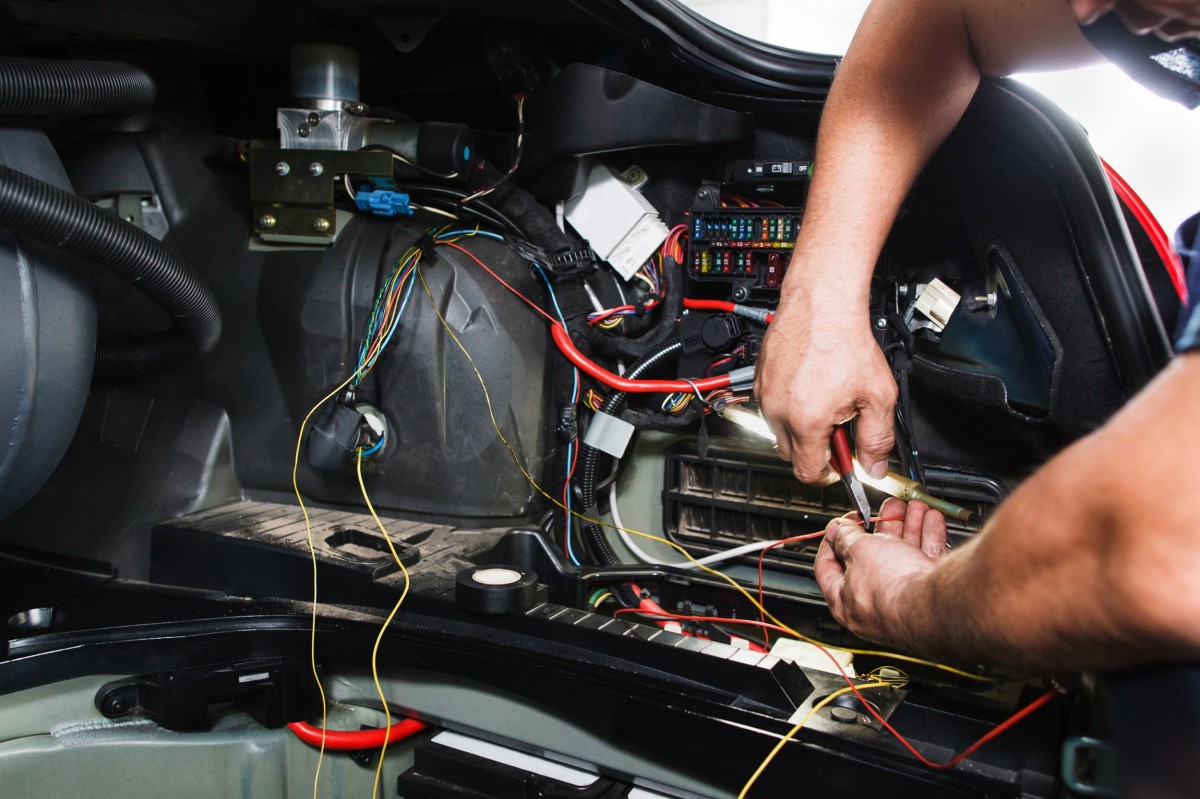
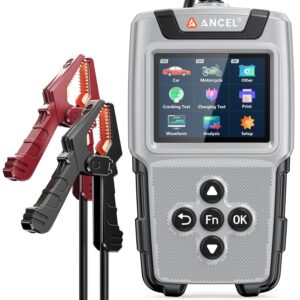
A professional mechanic can use diagnostic tools to read error codes from your vehicle’s computer system. These codes provide valuable information about the nature of the problem and help determine the best course of action for repairs.
Conclusion
Your vehicle’s transmission is a complex system that requires regular maintenance and attention. Ignoring symptoms like unusual noises, slipping gears, unresponsiveness, fluid leaks, burning smells, and warning lights can lead to more severe issues and costly repairs. By paying attention to these symptoms and addressing them promptly, you can ensure the longevity and reliability of your vehicle’s transmission. Always consult with a professional mechanic if you notice any of these symptoms to prevent further damage and maintain the safety and performance of your vehicle.




Post Comment