Essential Mechanic Tools for Beginners: A Comprehensive Guide
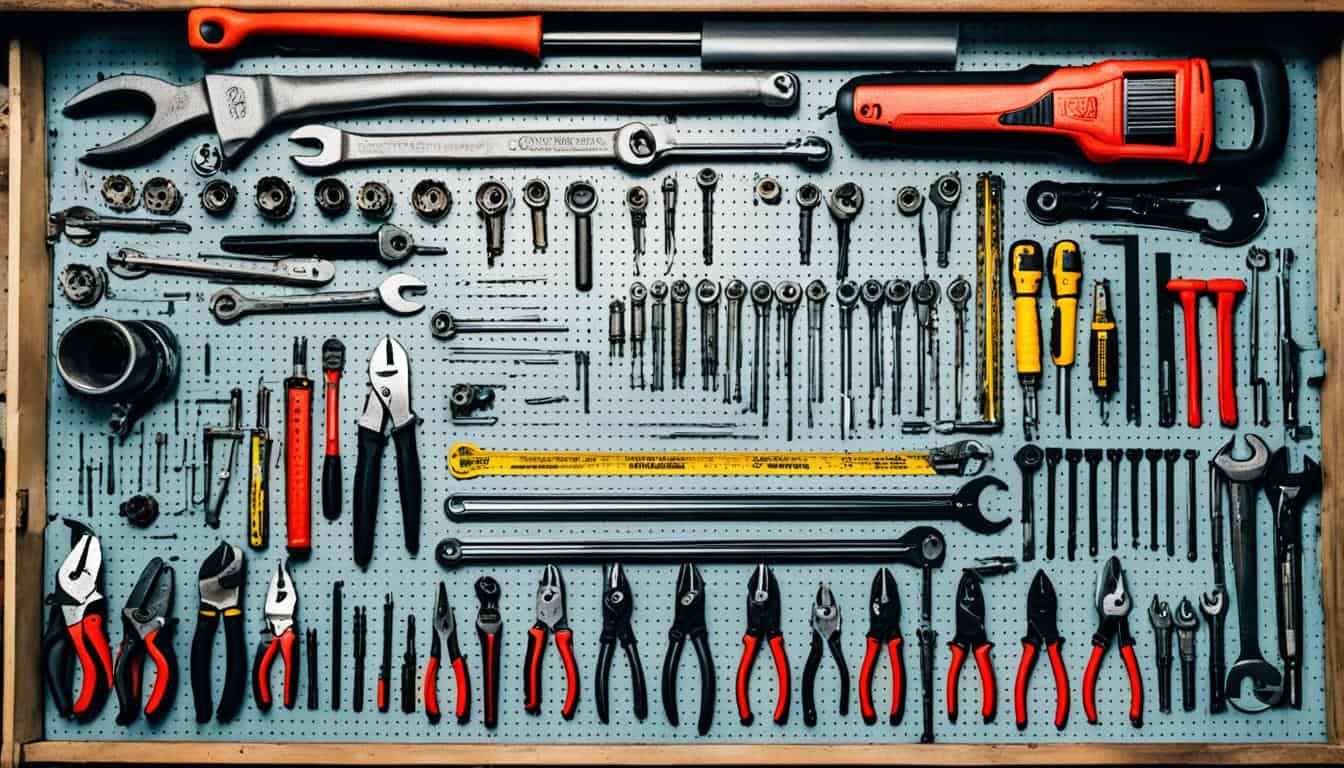
Embarking on a journey into the world of mechanics can be both exciting and daunting. Whether you’re a hobbyist looking to tinker with your vehicle or a budding professional eager to learn the trade, having the right tools is crucial. This guide aims to equip beginners with a comprehensive understanding of the essential mechanic tools needed to start their journey. From basic hand tools to more specialized equipment, we’ll cover everything you need to know to set up a functional and efficient garage workspace.
Basic Hand Tools
1. Wrenches
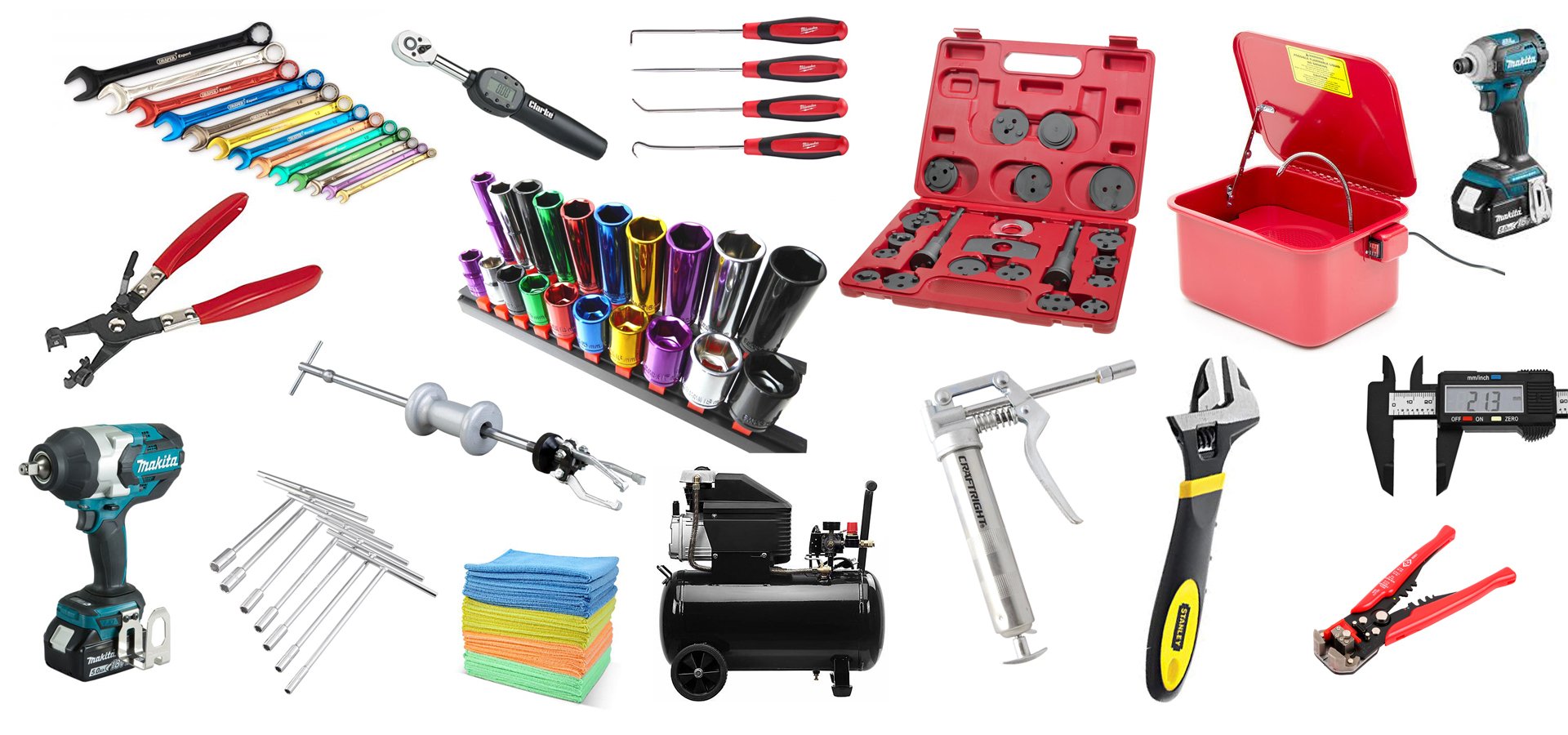
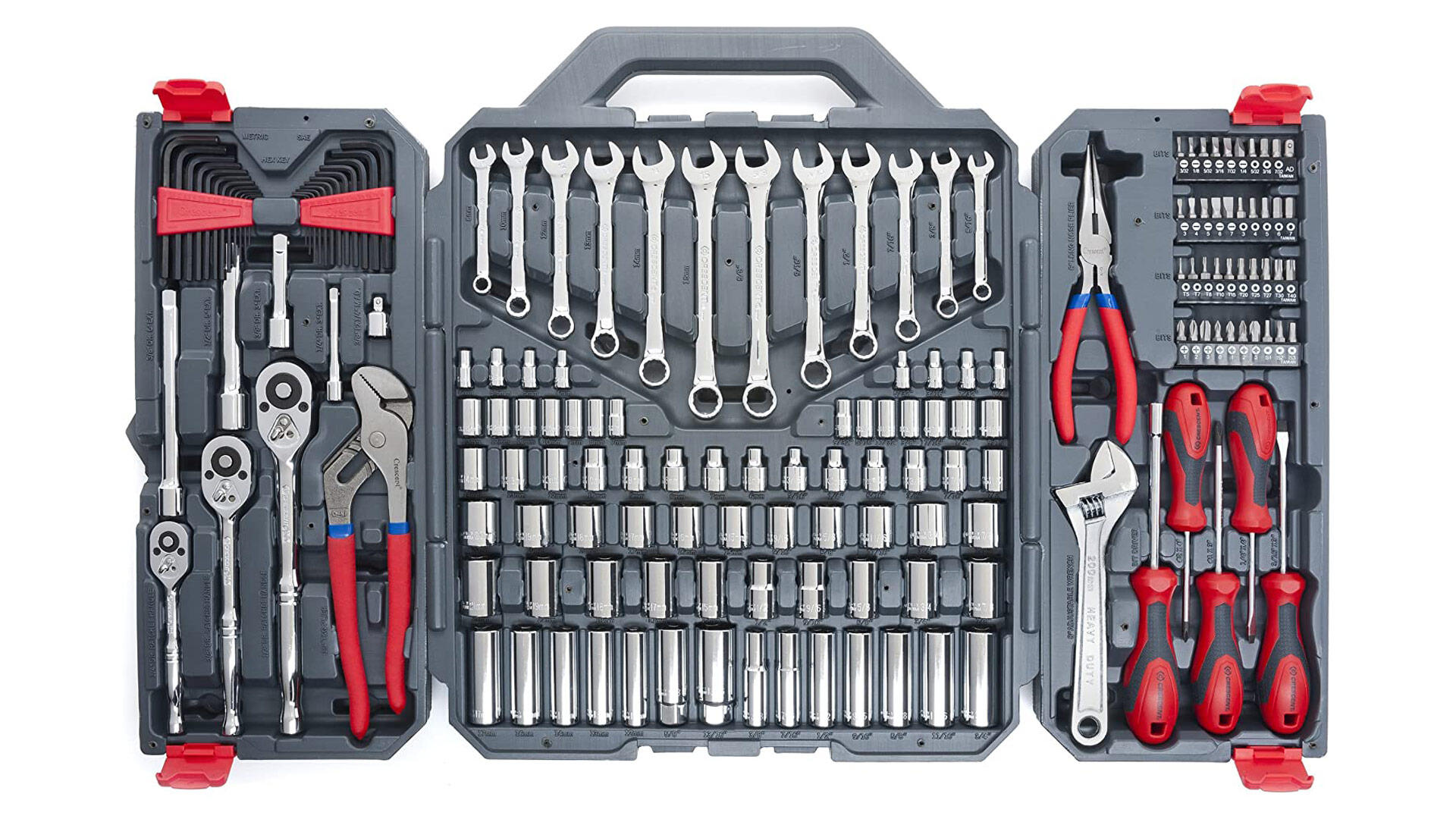
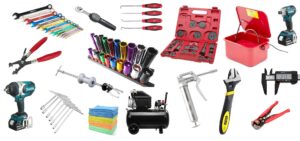
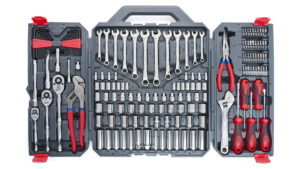
Wrenches are fundamental in a mechanic’s toolkit. They come in various types, including open-end, box-end, and combination wrenches. Open-end wrenches are great for quick jobs where you need fast access, while box-end wrenches provide a more secure grip and are ideal for loosening tight bolts. Combination wrenches offer the best of both worlds, featuring an open-end on one side and a box-end on the other.
2. Socket Set
A socket set is indispensable for working on vehicles. It typically includes a ratchet handle and a variety of sockets of different sizes. The sockets allow you to work on fasteners more efficiently than standard wrenches. Look for a set that includes both metric and SAE sizes to cover a broad range of applications.
3. Screwdrivers
A good set of screwdrivers is essential for any mechanic. Ensure you have both flathead and Phillips screwdrivers in various sizes. Magnetic tips can be very helpful, especially when working in tight spaces where screws can easily fall and get lost.
Specialized Tools
1. Torque Wrench
A torque wrench is crucial for ensuring that bolts and nuts are tightened to the manufacturer’s specifications. This tool helps prevent over-tightening, which can lead to damage, and under-tightening, which can result in parts coming loose. It’s an investment that pays off in the long run by ensuring the safety and reliability of your repairs.
2. Pliers and Cutters
Pliers are versatile tools that can grip, twist, bend, and cut wires and cables. Needle-nose pliers are particularly useful for reaching into tight spaces, while side-cutting pliers are ideal for cutting wires. Having a variety of pliers in your toolkit will enable you to handle a wide range of tasks.
3. Multimeter
Diagnosing electrical issues is a common task for mechanics, making a multimeter an invaluable tool. It measures voltage, current, and resistance, helping you troubleshoot electrical problems with precision. A reliable multimeter can save you time and frustration by quickly identifying faults in the electrical system.
Garage Equipment
1. Floor Jack and Jack Stands
Safety is paramount when working under a vehicle. A sturdy floor jack is needed to lift the vehicle, while jack stands ensure it remains securely elevated. Never rely on the jack alone to support a vehicle, as this can be extremely dangerous. Always use jack stands to ensure stability and safety.
2. Workbench and Tool Storage
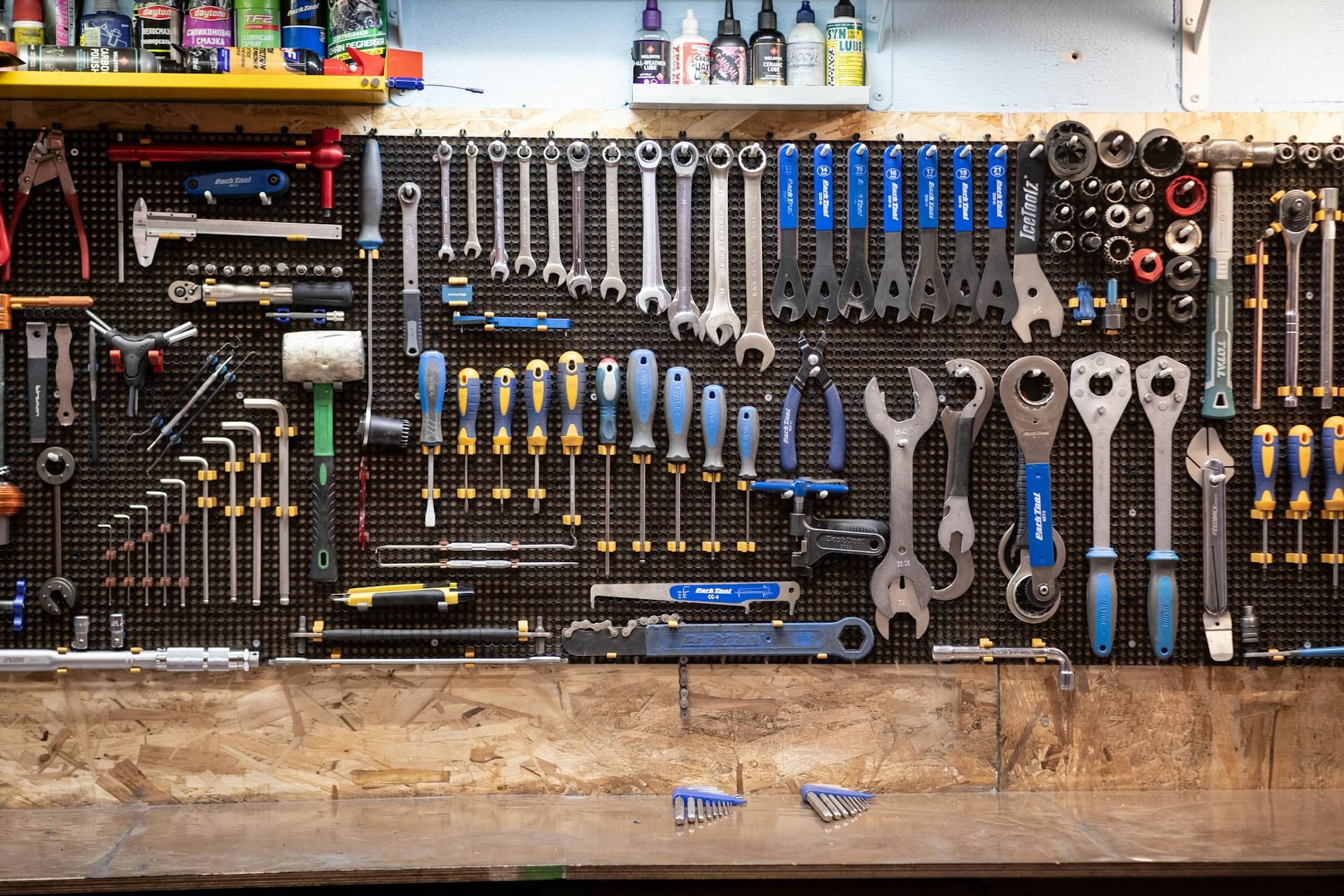
A solid workbench provides a stable surface for various tasks, from repairing parts to organizing tools. Additionally, efficient tool storage, such as a tool chest or pegboard, keeps your workspace tidy and ensures that tools are easily accessible when needed. An organized workspace not only enhances productivity but also reduces the risk of accidents.
Safety Gear
1. Safety Glasses
Protecting your eyes is crucial when working with tools and machinery. Safety glasses shield your eyes from debris, chemicals, and other hazards. Always wear them when working, especially when grinding, cutting, or performing tasks that may cause particles to fly.
2. Gloves
A pair of durable work gloves protects your hands from cuts, abrasions, and the elements. Choose gloves that fit well and are appropriate for the specific task at hand. Some gloves offer added grip, which can be beneficial when handling slippery or greasy components.
Conclusion
Building your mechanic toolkit as a beginner doesn’t have to be overwhelming. By starting with the essential tools outlined in this guide, you’ll be well-equipped to handle a wide range of tasks, from basic maintenance to more complex repairs. Remember, investing in quality tools pays off in the long run by providing reliability and longevity. As you gain experience and confidence, you can gradually expand your collection with more specialized tools and equipment. Above all, prioritize safety by utilizing the necessary gear and following best practices in your garage workspace.
Embark on your mechanical journey with enthusiasm, and let your newfound skills empower you to tackle challenges and achieve satisfying results. With the right tools and a commitment to learning, you’ll be well on your way to becoming a proficient mechanic.





Post Comment