Discover the Best Engine Oil Types for Your Car
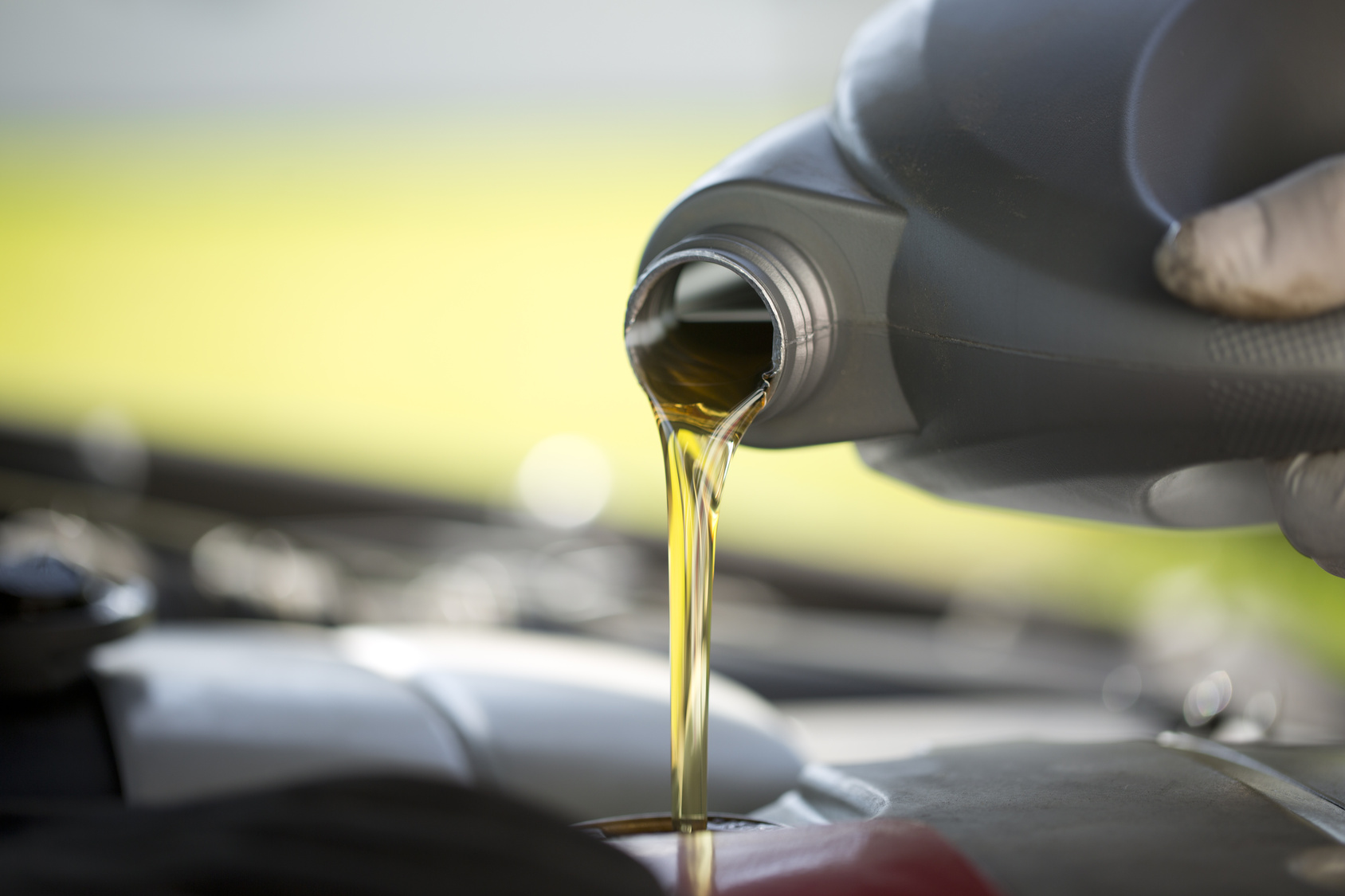
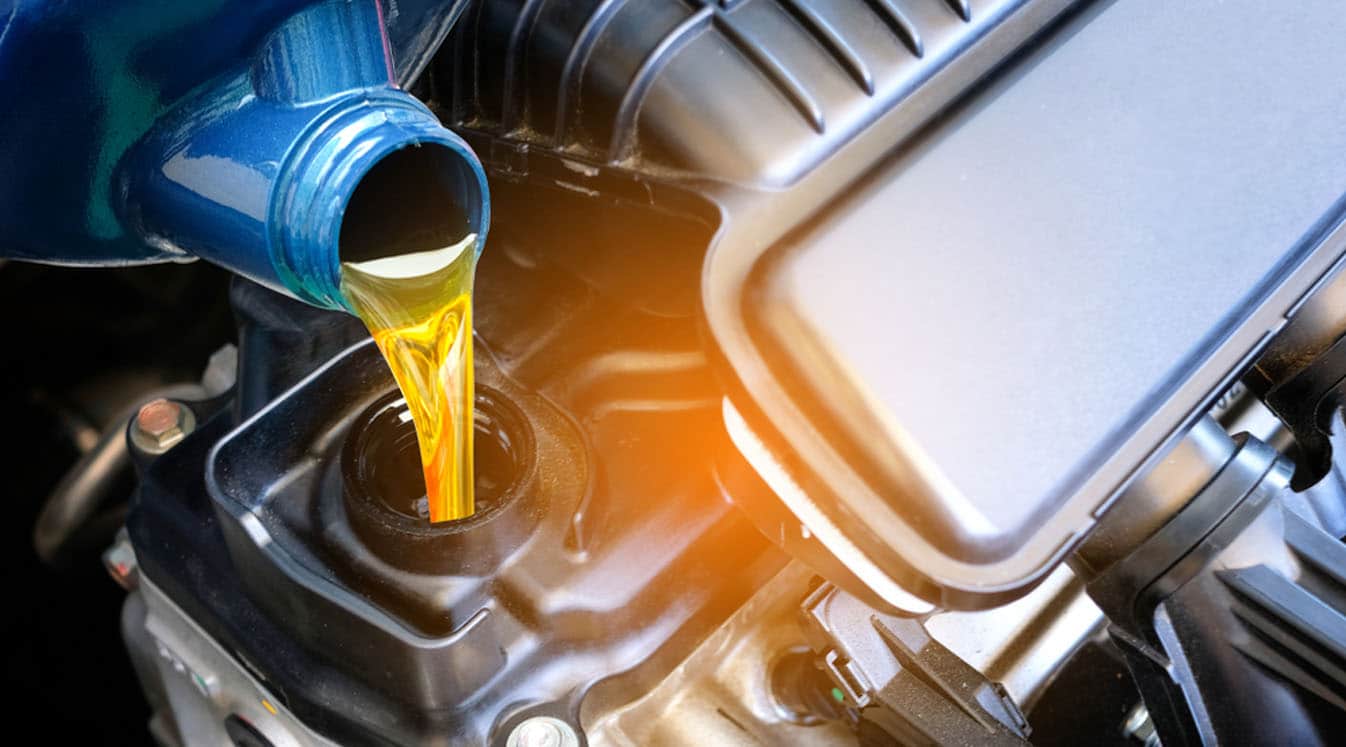
Engine oil is often referred to as the lifeblood of your car. It’s essential for the smooth operation of the engine, providing lubrication, reducing friction, and helping to keep the engine cool. With a multitude of options available on the market, selecting the best engine oil for your car can be a daunting task. This article aims to guide you through the different types of engine oils, their benefits, and how to choose the right one for your vehicle.
Understanding Engine Oil
The Role of Engine Oil
Engine oil serves several critical functions in a vehicle’s engine. It lubricates moving parts to reduce wear and tear, helps to clean the engine by carrying away contaminants, prevents corrosion, and assists in cooling the engine by dissipating heat. Without the right oil, your engine could experience increased friction, overheating, and ultimately, failure.
Oil Viscosity and Grades
Viscosity is a measure of an oil’s resistance to flow. It is crucial because it affects the oil’s ability to lubricate engine parts at different temperatures. Engine oils are graded based on their viscosity by the Society of Automotive Engineers (SAE). For example, SAE 10W-30 oil has a viscosity rating of 10 in cold temperatures (‘W’ stands for winter) and 30 at operating temperature.
Types of Engine Oil
Conventional Motor Oil
Conventional motor oil is the standard, mineral-based oil that has been used in vehicles for decades. It’s refined from crude oil and contains additives to help enhance its performance. This type of oil is generally more affordable and is suitable for older vehicles or those with simple engine designs.
Full Synthetic Motor Oil
Full synthetic motor oil is engineered for high-performance vehicles and extreme conditions. It provides superior lubrication, enhanced performance in extreme temperatures, and better protection against engine deposits. This type of oil is ideal for newer vehicles, high-performance cars, or vehicles operating in extreme climates.
Synthetic Blend Motor Oil
Synthetic blend oil offers a middle ground between conventional and full synthetic oils. It consists of a mixture of synthetic and conventional base oils, providing better performance than conventional oil while being more cost-effective than full synthetic. Synthetic blends are often used in vehicles that experience heavier loads and higher temperatures.
High-Mileage Motor Oil
High-mileage motor oil is designed for vehicles with over 75,000 miles on the odometer. It typically contains additives that help reduce oil consumption, minimize leaks, and decrease smoke and emissions in older engines. This type of oil can help extend the life of an aging vehicle by maintaining engine performance and preventing damage.
Choosing the Right Engine Oil for Your Car
Consult Your Owner’s Manual
The first step in choosing the right engine oil is to consult your vehicle’s owner’s manual. It provides the manufacturer’s recommendations for the type and grade of oil that best suits your car. Following these guidelines ensures that your engine receives the optimal protection and performance.
Consider Your Driving Conditions
Your driving habits and conditions can influence the type of oil you need. If you often drive in extreme temperatures, tow heavy loads, or drive short distances frequently, a synthetic oil might be more beneficial due to its superior protection under stress. Conversely, if you have a daily, moderate commute, conventional or synthetic blend oil could suffice.
Evaluate Your Vehicle’s Age and Mileage
The age and mileage of your vehicle can also impact your choice of oil. For newer vehicles, full synthetic oil may provide the best protection and performance. For older vehicles, especially those with high mileage, a high-mileage oil can help maintain engine health and performance.
Benefits of Using the Right Engine Oil
Enhanced Engine Performance
Using the right engine oil can significantly enhance your engine’s performance. It ensures that your engine runs smoothly and efficiently, reducing the risk of overheating and wear, which can prolong its lifespan.
Improved Fuel Efficiency
Proper lubrication reduces friction between engine parts, leading to improved fuel efficiency. This means you can save money on fuel costs over time by simply using the right oil.
Reduced Emissions
Engine oil plays a role in reducing emissions by ensuring that the engine operates effectively. Clean, well-lubricated engines produce fewer emissions, which is better for the environment and can help your vehicle pass emissions tests.
Conclusion
Choosing the right engine oil for your car is a vital aspect of vehicle maintenance. It not only keeps your engine running smoothly but also enhances performance, improves fuel efficiency, and reduces emissions. By understanding the different types of engine oils and considering factors such as your driving conditions, vehicle age, and mileage, you can make an informed decision that best suits your vehicle’s needs. Remember, a well-maintained engine is key to enjoying a safe and reliable driving experience.











Post Comment