Ultimate Vehicle Care Guide for Optimal Performance

Maintaining your vehicle in top condition not only ensures its longevity but also enhances its performance and safety. Regular care and maintenance can prevent costly repairs and breakdowns. This ultimate vehicle care guide provides you with comprehensive tips for optimal vehicle performance.
Regular Maintenance Checks
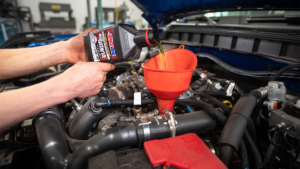
Oil Changes
Oil is the lifeblood of your vehicle’s engine. Regular oil changes are crucial for maintaining engine health. Follow the manufacturer’s recommendations for oil change intervals, typically every 3,000 to 7,500 miles. Use the recommended oil type to ensure the engine runs smoothly.
Tire Maintenance
Proper tire maintenance is vital for safety and efficiency. Check tire pressure monthly, as underinflated tires reduce fuel efficiency and increase wear. Rotate your tires every 5,000 to 7,000 miles to ensure even wear, and check for signs of damage or uneven wear patterns.
Brake System
Your vehicle’s brake system is essential for safety. Regularly inspect brake pads, rotors, and fluid levels. Listen for unusual sounds when braking, such as squealing or grinding, which may indicate the need for replacement or repair.
Battery Care
The battery is the heart of your vehicle’s electrical system. Check the battery terminals for corrosion and ensure they are tightly connected. Test the battery’s charge regularly, especially before long trips or in extreme weather conditions.
Fluid Levels and Checks
Coolant
Coolant prevents your engine from overheating. Check the coolant level regularly and top it off with a 50/50 mix of antifreeze and water if necessary. Inspect hoses and the radiator for leaks or damage.
Transmission Fluid
Transmission fluid lubricates the gears and ensures smooth shifting. Check the fluid level according to the manufacturer’s instructions and replace it at recommended intervals to avoid transmission issues.
Power Steering Fluid
Power steering fluid aids in the smooth operation of your vehicle’s steering system. Check the fluid level regularly and top up as needed. Look for leaks in the power steering system that could affect performance.
Windshield Washer Fluid
Keeping your windshield clean is important for visibility and safety. Regularly check the washer fluid level and refill it with a suitable washer fluid to ensure your windshield remains clear.
Regular Inspections
Lights
Ensure all vehicle lights are functioning correctly, including headlights, taillights, brake lights, and turn signals. Replace any burnt-out bulbs promptly to maintain visibility and safety on the road.
Exhaust System
Inspect the exhaust system for leaks or damage, which can affect engine performance and emissions. Listen for unusual noises, like rattling or hissing, which may indicate a problem.
Belts and Hoses
Belts and hoses play a critical role in your vehicle’s operation. Check them regularly for signs of wear, cracking, or fraying. Replace any damaged belts or hoses to prevent breakdowns.
Cleaning and Care
Exterior Cleaning
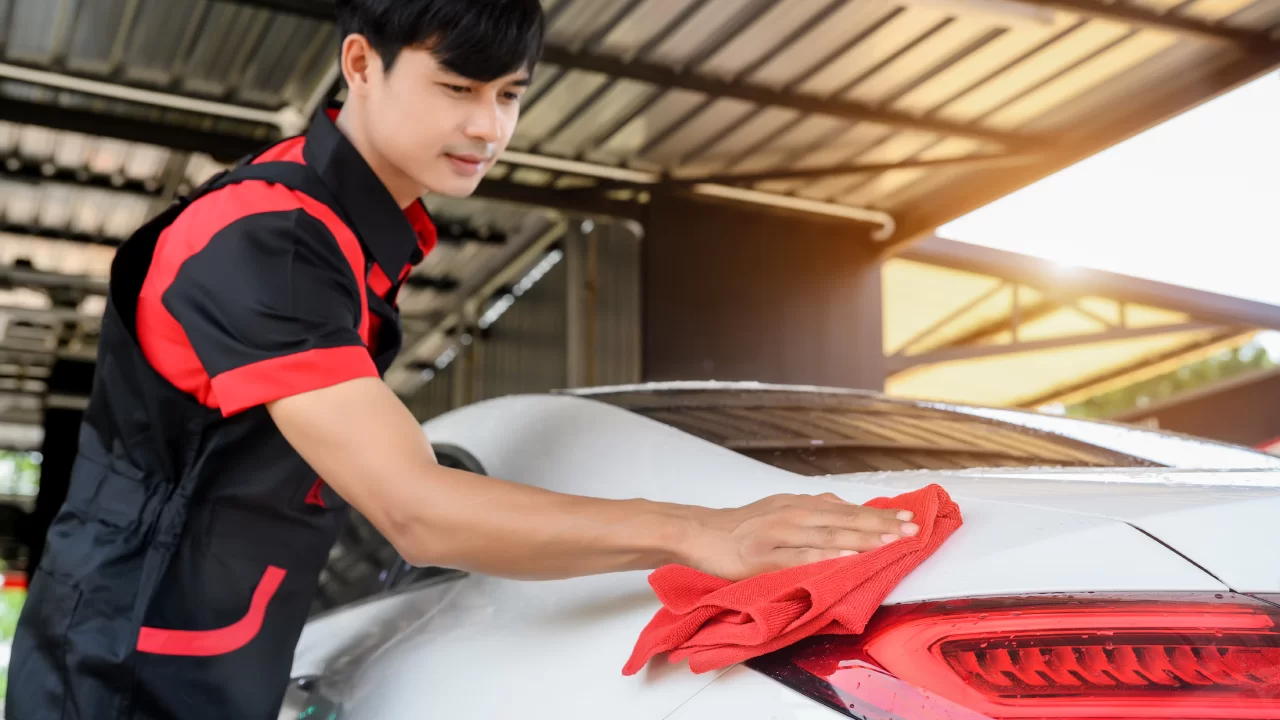
Regularly wash your vehicle to remove dirt, grime, and road salt that can damage the paint and cause rust. Use a high-quality car wash soap and a soft sponge or cloth to avoid scratches.
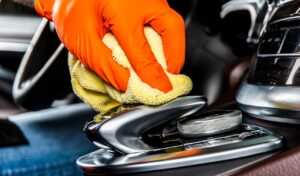
Interior Cleaning
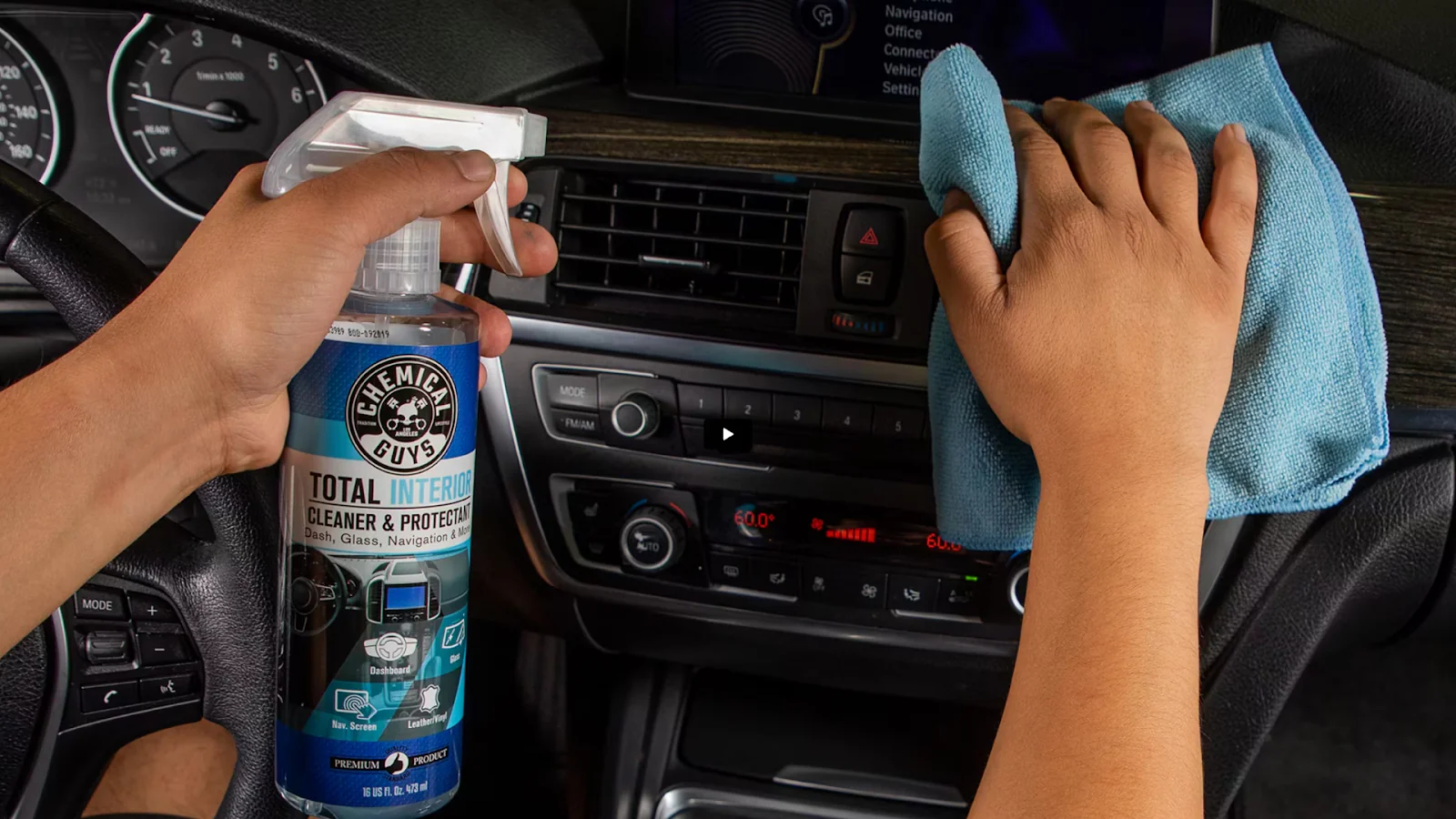
Keep the interior clean by vacuuming regularly and wiping down surfaces with appropriate cleaners. Pay attention to the dashboard, seats, and floor mats to maintain a fresh and appealing interior.
Waxing
Waxing your vehicle adds a protective layer to the paint, enhancing its shine and preventing damage from UV rays and contaminants. Aim to wax your vehicle every three to six months for optimal protection.
Driving Habits
Gentle Acceleration and Braking
Avoid aggressive acceleration and braking, as these can cause unnecessary wear on the engine, brakes, and tires. Practice smooth and gradual movements to improve fuel efficiency and reduce wear.
Observe Speed Limits
Driving at high speeds increases fuel consumption and puts extra strain on the engine and tires. Adhering to speed limits not only improves safety but also enhances fuel efficiency and reduces wear.
Avoid Short Trips
Frequent short trips can be hard on your vehicle, as the engine doesn’t have time to reach its optimal operating temperature. Combine errands into one trip or use alternative transportation when possible.
Seasonal Considerations
Winter Care
Prepare your vehicle for winter by checking antifreeze levels, switching to winter-grade oil if recommended, and ensuring your tires are suitable for snowy or icy conditions. Keep an emergency kit in your vehicle, including blankets, a flashlight, and non-perishable snacks.
Summer Care
In summer, check the air conditioning system to ensure it is working efficiently. Keep an eye on coolant levels and tire pressure, as heat can cause fluctuations. Park in the shade or use sunshades to protect the interior from UV damage.
Conclusion
Regular vehicle maintenance and care are essential for optimal performance, safety, and longevity. By following the tips outlined in this guide, you can ensure your vehicle remains in top condition, providing you with reliable and efficient transportation. Remember, a well-maintained vehicle is not only a pleasure to drive but also a reflection of your commitment to safety and reliability on the road.
#ChatGPT assisted in the creation of this article.





Post Comment