Essential Tire Care Tips for Maximum Performance
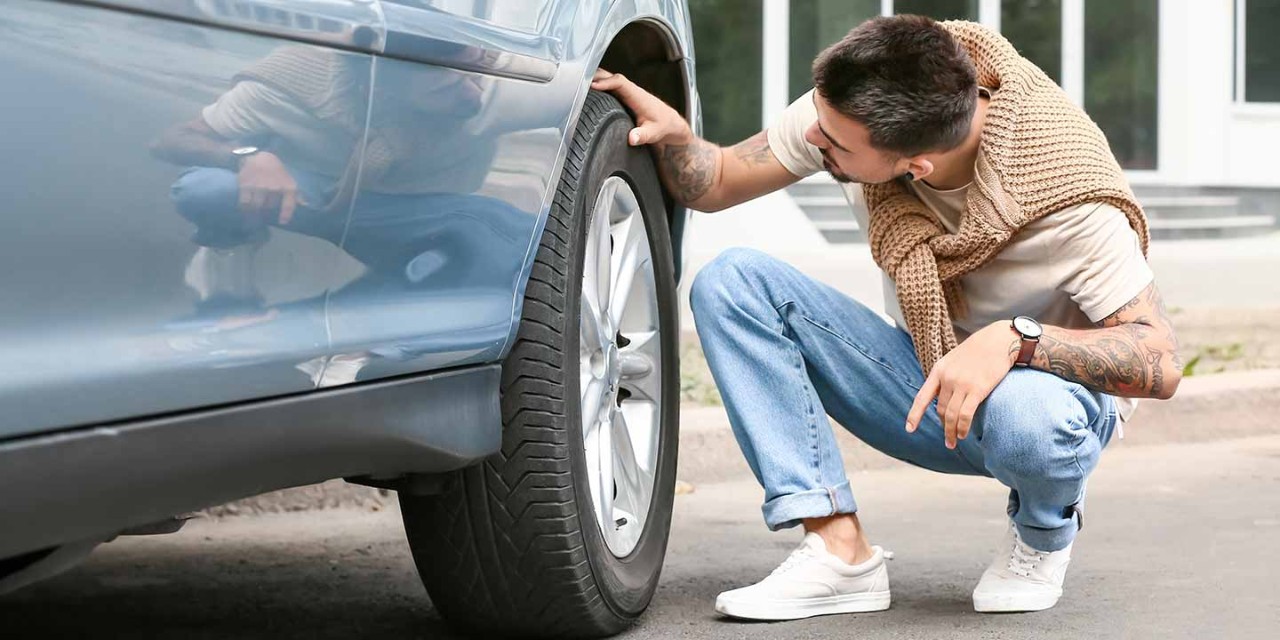
Ensuring your tires are in optimal condition is crucial not only for vehicle performance but also for safety. Tires are the only part of your vehicle that makes contact with the road, and maintaining them properly can lead to improved fuel efficiency, better handling, and a longer lifespan. Here’s how you can achieve maximum performance from your tires with these essential care tips.
Regular Tire Inspection
Regular inspection of your tires can help you identify potential issues before they become serious problems. Look for signs of wear and tear, such as uneven tread wear, cracks, or bulges. If you notice any of these signs, it might be time to consult a professional or consider replacing your tires.
Check Tread Depth
Tread depth is crucial for traction, especially in wet conditions. A simple way to check tread depth is the penny test: place a penny into the tread groove with Lincoln’s head upside down. If you can see the top of Lincoln’s head, it’s time to replace your tires. Most experts recommend replacing tires when the tread depth reaches 2/32 of an inch.
Look for Cracks and Bulges
Cracks on the sidewalls or any bulges indicate potential structural damage. These issues can arise from hitting curbs or potholes and may lead to tire failure. If you spot any of these signs, it’s best to have a professional examine your tires immediately.
Maintain Proper Tire Pressure
Under-inflated or over-inflated tires can lead to uneven wear, decreased fuel efficiency, and compromised handling. Check your tire pressure at least once a month and before long trips. Always use a reliable tire pressure gauge for accurate readings.
Follow Manufacturer’s Recommendations
Refer to your vehicle’s owner manual or the sticker inside the driver’s door for the recommended tire pressure. Remember that the pressure listed on the tire itself is the maximum pressure, not necessarily the optimal one for your vehicle.
Adjust for Temperature Changes
Tire pressure can fluctuate with temperature changes. As a rule of thumb, tire pressure can drop by about 1 PSI for every 10-degree Fahrenheit decrease in temperature. Therefore, it’s especially important to check tire pressure during seasonal changes.
Ensure Proper Wheel Alignment
Wheel alignment affects how your tires meet the road. Misalignment can lead to uneven tire wear and affect your vehicle’s handling. Signs of misalignment include your vehicle pulling to one side or a crooked steering wheel when driving straight.
Regular Alignment Checks
It’s advisable to check your wheel alignment every time you rotate your tires or if you notice any symptoms of misalignment. Many experts suggest doing this at least once a year or every 10,000 miles.
Avoid Potholes and Obstacles
While it’s not always possible to avoid potholes, doing so whenever you can will help maintain your vehicle’s alignment and overall health of your tires. Potholes can severely impact wheel alignment and cause tire damage.
Rotate Tires Regularly
Tire rotation involves changing the position of your tires to ensure even wear. Front and rear tires wear differently due to weight distribution and driving habits, making rotations crucial for maximizing tire life.
Follow a Rotation Schedule
The typical recommendation is to rotate your tires every 5,000 to 8,000 miles. However, consult your vehicle’s owner manual for specific guidelines. Regular rotation ensures that all tires wear evenly and extend their lifespan.
Consider Your Driving Conditions
Driving on rough, uneven roads can cause more significant wear on tires. If you frequently drive in such conditions, you might need to rotate your tires more often than usual.
Balance Your Tires
Balanced tires ensure a smooth ride and prevent uneven wear. Unbalanced tires can cause vibration, increase fuel consumption, and lead to premature tire wear.
Signs of Unbalanced Tires
Common indicators include vibrations in the steering wheel, seat, or floorboard, especially at highway speeds. If you experience any of these, it’s time to get your tires balanced.
Regular Balancing
It’s a good practice to balance your tires every 5,000 to 6,000 miles or whenever you get new tires. Regular balancing contributes to a smoother ride and prolongs tire life.
Practice Safe Driving Habits
Your driving habits can significantly impact tire longevity. Aggressive driving, such as sudden stops, sharp turns, and excessive speeding, can accelerate tire wear.
Avoid Abrupt Acceleration and Braking
Sudden starts and stops can cause your tires to wear out faster. Aim for smooth acceleration and gentle braking to maintain optimal tire health.
Take Corners Gently
Fast cornering can lead to uneven tire wear. Slow down when taking turns to distribute the load more evenly across your tires.
Store Tires Properly
If you use seasonal tires, proper storage can extend their life. Tires should be stored in a cool, dry place away from direct sunlight and heat sources.
Clean Tires Before Storage
Before storing, clean your tires thoroughly to remove any dirt, grime, or road salt that could cause damage over time. Allow them to dry completely to prevent moisture-related issues.
Use Tire Covers
Consider using tire covers to protect against dust, dirt, and sunlight. This is especially beneficial if you’re storing tires for an extended period.
Conclusion
Proper tire care is essential for safety, performance, and cost-effectiveness. By regularly inspecting your tires, maintaining the correct pressure, ensuring proper alignment and balance, rotating them, and adopting safe driving habits, you can maximize their performance and lifespan. Remember, well-maintained tires not only enhance your vehicle’s performance but also ensure a safer driving experience for you and your passengers.
#ChatGPT assisted in the creation of this article.










Post Comment