Boost Fuel Economy: Top Strategies for Better Mileage
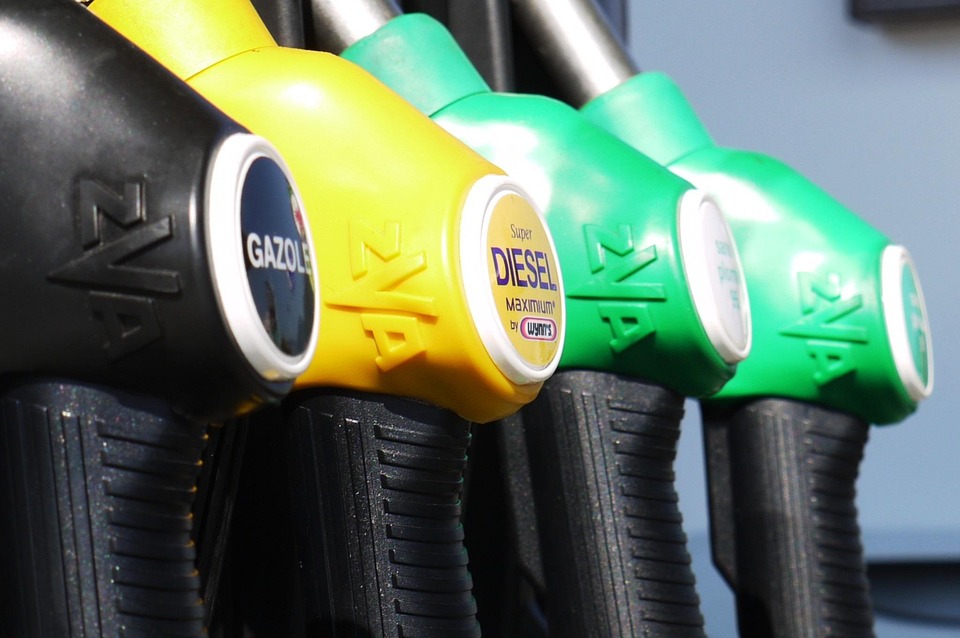
With rising fuel prices and increasing environmental concerns, improved fuel economy is more important than ever. Boosting your vehicle’s fuel efficiency not only saves you money but also reduces your carbon footprint. Here, we delve into effective strategies to enhance your vehicle’s mileage, ensuring you get the most out of every drop of fuel.
Regular Vehicle Maintenance
Keep Your Engine Tuned
One of the most vital aspects of maintaining good fuel economy is ensuring your engine is tuned properly. A poorly tuned engine can decrease fuel efficiency by as much as 20%. Regularly scheduled maintenance, including spark plug replacements and engine diagnostics, can significantly impact your car’s performance and fuel consumption.
Change Your Air Filters
A clogged air filter restricts airflow to the engine, making it work harder and consume more fuel. Replacing a dirty air filter can improve your mileage by up to 10%. Consider checking your air filter every 12,000 miles and replacing it if necessary to ensure your engine breathes easily.
Use the Right Motor Oil
Using the manufacturer’s recommended grade of motor oil can improve your gas mileage by 1-2%. Some motor oils are even labeled as “energy conserving” and contain friction-reducing additives that enhance fuel efficiency.
Optimize Driving Habits
Maintain Steady Speed
Frequent acceleration and braking waste fuel. Using cruise control on highways helps maintain a constant speed, enhancing fuel efficiency. Studies show that driving at 55 mph rather than 65 mph can improve fuel economy by 10-15%.
Avoid Idling
Idling consumes fuel without moving the vehicle. Modern engines are designed to consume less fuel when restarted than they do idling for extended periods. If you anticipate being stopped for more than a minute, it’s more efficient to turn off the engine and restart when you’re ready to move.
Plan Your Trips
Combining errands into one trip is more fuel-efficient than making multiple short trips from a cold start. A warm engine runs more efficiently, so planning your route to minimize cold starts and reduce travel distance can significantly boost fuel economy.
Manage Aerodynamics and Weight
Limit Roof Load
External cargo carriers and roof racks increase wind resistance, which can reduce fuel efficiency by up to 25% on the highway. If possible, place luggage inside the vehicle or remove the roof rack when not in use to improve aerodynamics.
Remove Excess Weight
Carrying unnecessary weight can impact your gas mileage. Every extra 100 pounds can reduce fuel efficiency by about 1%. Clean out your trunk and back seat, removing items that are not essential to reduce the load on your vehicle.
Choose the Right Fuel and Tires
Use the Recommended Fuel Type
Using a higher octane fuel than your car requires won’t necessarily improve fuel economy. Consult your owner’s manual to determine the best fuel type for your vehicle. Using the recommended fuel type maximizes performance and efficiency.
Keep Tires Properly Inflated
Under-inflated tires increase rolling resistance and make your engine work harder, reducing fuel efficiency. Check your tire pressure monthly and keep them inflated to the recommended level. Properly inflated tires can improve your gas mileage by about 3%.
Leverage Technology
Utilize Fuel Economy Apps
There are numerous apps available that can help you track your fuel usage, find the most efficient routes, and locate the cheapest gas stations. These apps provide insights and tips tailored to your driving habits, helping you optimize fuel consumption.
Consider Engine Start-Stop Systems
Many modern vehicles are equipped with start-stop technology, which automatically shuts off the engine when the vehicle is stationary, and restarts it when you’re ready to move. This feature can significantly reduce fuel consumption in stop-and-go traffic.
Conclusion
Improving your vehicle’s fuel economy is not just about saving money; it’s also about contributing to a healthier environment. Regular maintenance, smart driving habits, managing weight and aerodynamics, and leveraging technology can collectively enhance your car’s efficiency. By adopting these strategies, you can enjoy longer drives with fewer stops at the gas station, making every journey more economical and environmentally friendly.





Post Comment