Ultimate Guide to Safeguarding Your Car’s Paint
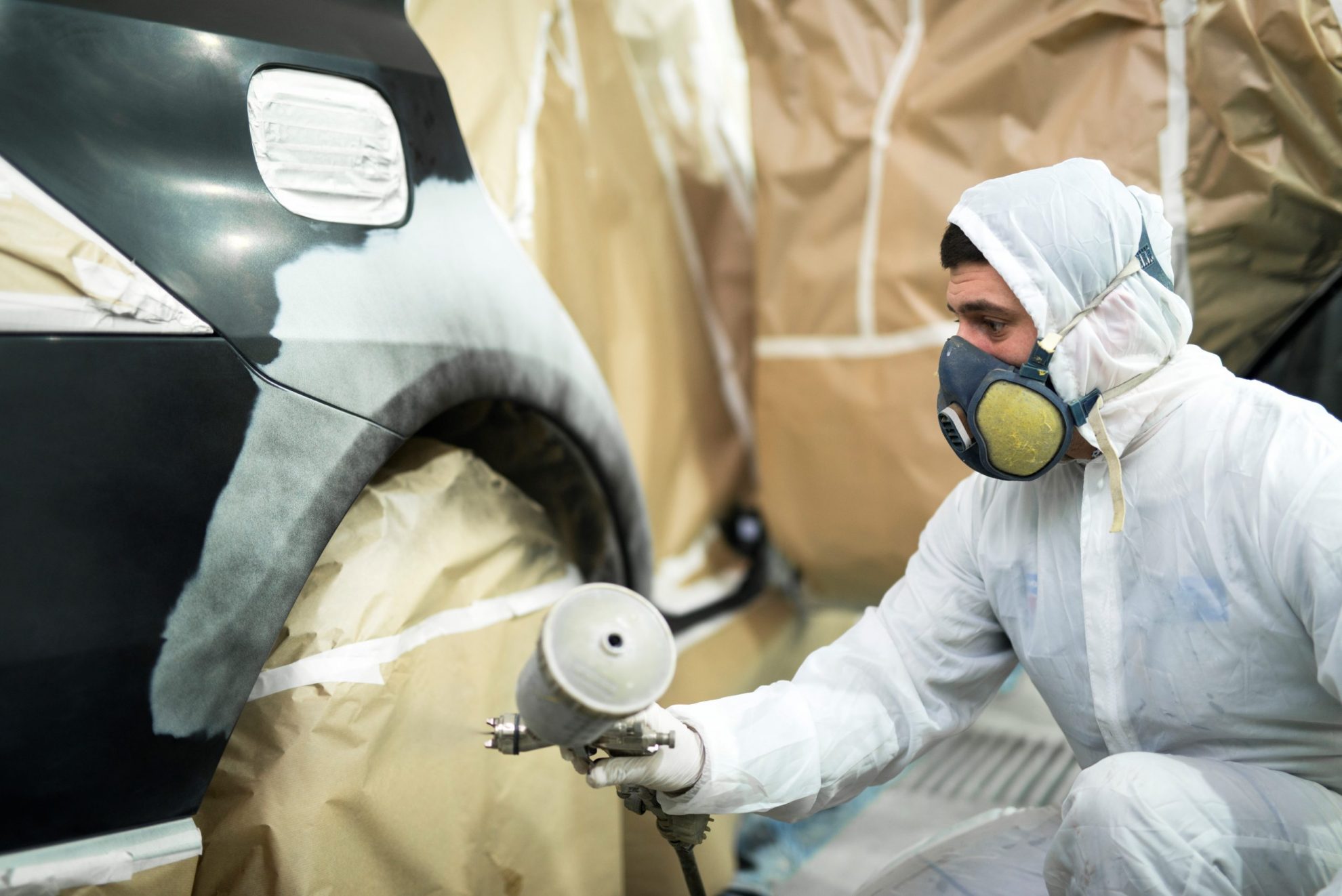
Keeping your car’s paint in excellent condition not only enhances its aesthetic appeal but also helps in maintaining its value over time. The paint is the first line of defense against the elements, and it requires proper care and maintenance to remain vibrant and protective. In this comprehensive guide, we will explore effective strategies and tips to safeguard your car’s paint, ensuring it remains in pristine condition for years to come.
Understanding the Importance of Car Paint Protection
Car paint serves more than just an aesthetic purpose; it is a crucial barrier protecting the vehicle’s body from environmental damage. Without proper care, the paint can become dull, chipped, or oxidized, leading to rust and other structural issues. By investing time and effort into maintaining your car’s paint, you can prolong its lifespan and keep your vehicle looking new.
Regular Washing
Frequency and Technique
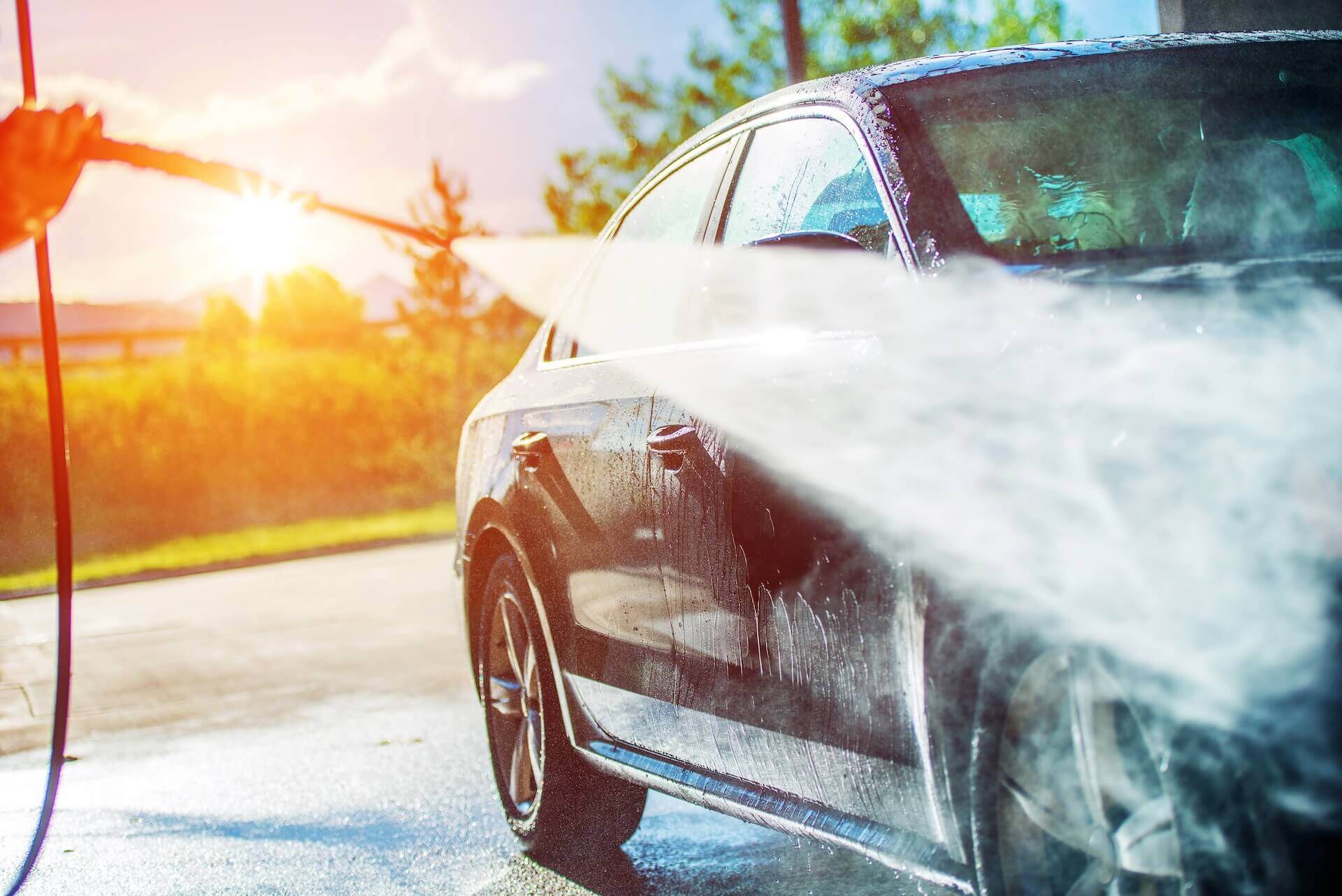
Regular washing is the cornerstone of car paint maintenance. Ideally, you should wash your car every two weeks to remove dirt, grime, and contaminants that can damage the paint over time. Use a pH-balanced car shampoo and a soft microfiber wash mitt to gently clean the surface without scratching the paint.
Rinsing and Drying
After washing, rinse your car thoroughly to remove all soap residues. Use a gentle stream of water to prevent water spots. Dry the car with a clean microfiber towel or a blower to avoid swirl marks and water stains.
Waxing
Benefits of Waxing
Waxing is an essential step in protecting your car’s paint. It provides a protective layer that shields the paint from UV rays, road salt, bird droppings, and other harmful elements. Wax also enhances the shine, giving your car a glossy finish.
How Often to Wax
For optimal protection, wax your car every three to four months. However, if you live in an area with harsh weather conditions, consider waxing more frequently.
Choosing the Right Wax
Select a high-quality carnauba or synthetic wax. Carnauba wax offers a natural shine and protection, while synthetic wax provides longer-lasting protection. Apply the wax in small sections using a foam applicator, and buff it off with a clean microfiber cloth.
Using Sealants and Ceramic Coatings
Sealants
Sealants offer a more durable protective layer than traditional waxes. They are synthetic products that bond with the paint, providing long-lasting protection against contaminants and UV rays. Apply sealants every six months for best results.
Ceramic Coatings
Ceramic coatings are advanced protective solutions that offer superior durability and resistance to scratches, chemicals, and UV damage. They create a semi-permanent bond with the paint, lasting up to two years or more. While ceramic coatings require professional application, they offer unmatched protection for your car’s paint.
Parking and Storage
Choosing a Parking Spot
Where you park your car can significantly impact the condition of its paint. Whenever possible, park in shaded areas or covered parking lots to protect the vehicle from direct sunlight and weather elements. Avoid parking under trees to prevent sap and bird droppings from falling on your car.
Using Car Covers
If you lack sheltered parking, consider using a car cover to protect your vehicle from the elements. Choose a cover made of breathable material to prevent moisture buildup and potential paint damage.
Avoiding Common Paint Hazards
Bird Droppings and Tree Sap
Bird droppings and tree sap are highly acidic and can quickly damage your car’s paint if not removed promptly. Clean them off as soon as possible using a gentle cleaning solution and a soft cloth.
Road Salt and Chemicals
In winter, road salt and de-icing chemicals can corrode your car’s paint and body. Regular washing during this season is crucial to remove these harmful substances and prevent long-term damage.
Repairing Paint Damage
Touch-Up Paint
Minor scratches and chips are inevitable, but they can be repaired with touch-up paint. Purchase the correct color match for your car and carefully apply it to the affected area using a fine brush or pen.
Professional Paint Repair
For more significant damage, such as deep scratches or extensive chipping, seek professional paint repair services. A skilled technician can restore your car’s paint to its original condition using specialized tools and techniques.
Conclusion
Maintaining your car’s paint is an investment in its longevity and value. By following these tips and incorporating regular maintenance into your routine, you can ensure your vehicle’s paint remains vibrant and resilient against the elements. From routine washing and waxing to advanced protective coatings, each step plays a crucial role in safeguarding your car’s exterior. With proper care, your car’s paint will continue to shine and protect for years to come.
#ChatGPT assisted in the creation of this article.










Post Comment