Boost Performance: Essential Guide to Fuel Filter Replacement

In the quest for optimal vehicle performance, routine maintenance tasks often take center stage. Among these tasks, fuel filter replacement is crucial yet frequently overlooked. A well-maintained fuel filter not only ensures peak engine performance but also prolongs the lifespan of your vehicle. This guide delves into the importance of fuel filters, signs of wear, and a step-by-step process for replacement, empowering you to keep your vehicle running smoothly.
Understanding the Role of the Fuel Filter
The fuel filter plays a vital role in your vehicle’s fuel system. Positioned between the fuel tank and the engine, it filters out impurities and contaminants from the fuel before it reaches the engine. These impurities can include dirt, rust, and other debris that might originate from the fuel tank or be picked up during refueling. By filtering these particles, the fuel filter ensures that only clean fuel reaches the engine, thereby protecting it from potential damage and maintaining optimal performance.
Signs Your Fuel Filter Needs Replacement
Like any other component in your vehicle, the fuel filter is subject to wear and tear. Here are some common signs indicating that your fuel filter may need replacement:
- Reduced Engine Performance: A clogged filter restricts fuel flow, leading to poor acceleration and reduced power.
- Difficulty Starting: If your engine struggles to start or fails to start at all, a clogged fuel filter could be the culprit.
- Engine Misfires or Stalling: Insufficient fuel flow can result in misfires or cause the engine to stall unexpectedly.
- Poor Fuel Efficiency: A blocked filter forces the engine to work harder, leading to increased fuel consumption.
- Check Engine Light: In modern vehicles, a clogged fuel filter can trigger the check engine light, alerting you to a potential issue.
How Often Should You Replace the Fuel Filter?
The frequency of fuel filter replacement varies depending on the vehicle make, model, and driving conditions. Generally, it’s recommended to replace the fuel filter every 20,000 to 40,000 miles. However, always consult your vehicle’s owner manual for specific recommendations. Regular inspection as part of your maintenance routine can also help identify early signs of wear.
Tools and Materials Needed for Fuel Filter Replacement
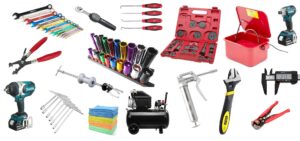
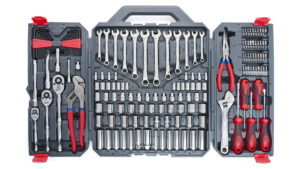
Before you begin the process of replacing your vehicle’s fuel filter, ensure you have the following tools and materials ready:
- New fuel filter (compatible with your vehicle model)
- Wrench set
- Socket set
- Screwdrivers
- Rags or towels
- Safety glasses
- Gloves
- Fuel line disconnect tool (if necessary)
- Drip pan
Step-by-Step Guide to Replacing a Fuel Filter
1. Ensure Safety First
Safety should always be your priority when performing vehicle maintenance. Start by parking your vehicle on a flat, stable surface and turning off the engine. Engage the parking brake to prevent any movement during the process. Wear safety glasses and gloves to protect your eyes and hands from fuel exposure.
2. Relieve Fuel System Pressure
Before replacing the fuel filter, it’s essential to relieve the pressure in the fuel system. Locate the fuel pump fuse or relay in the fuse box and remove it. Start the engine and let it run until it stalls, indicating that the fuel pressure has been released. Turn off the ignition once the engine stops.
3. Locate the Fuel Filter
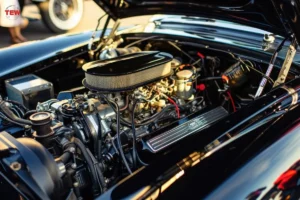
Consult your vehicle’s manual to locate the fuel filter. In most vehicles, it is situated along the fuel line, either under the vehicle near the fuel tank or in the engine compartment. Ensure you have clear access to the filter before proceeding.
4. Disconnect the Fuel Lines
Place a drip pan beneath the fuel filter to catch any spilled fuel. Using a wrench or socket set, carefully loosen and disconnect the fuel lines from the filter. Be cautious as some fuel may still be present in the lines. Use a fuel line disconnect tool if necessary.
5. Remove the Old Fuel Filter
With the fuel lines disconnected, use the appropriate tools to remove the mounting bracket or clips securing the fuel filter in place. Carefully take out the old fuel filter, making note of its orientation for installing the new one.
6. Install the New Fuel Filter
Position the new fuel filter in the same orientation as the old one. Secure it in place using the mounting bracket or clips. Ensure that the filter is fastened securely to prevent leaks or dislodgment during operation.
7. Reconnect the Fuel Lines
Attach the fuel lines to the new filter, ensuring a snug fit. Use the wrench or socket set to tighten the connections. Double-check that all connections are secure and free from leaks.
8. Restore Fuel System Pressure
Reinsert the fuel pump fuse or relay into the fuse box. Turn the ignition to the “ON” position (without starting the engine) to allow the fuel pump to pressurize the system. Check for any leaks around the filter and fuel lines.
9. Test the Vehicle
Start the engine and let it idle for a few minutes. Monitor the engine’s performance and check for any leaks around the fuel filter. If everything appears normal, take the vehicle for a short test drive to ensure smooth operation.
Conclusion
Replacing the fuel filter is a vital maintenance task that significantly impacts your vehicle’s performance and longevity. By following this comprehensive guide, you can confidently perform a fuel filter replacement, ensuring clean fuel delivery and optimal engine function. Regular maintenance of your fuel filter not only enhances performance but also contributes to a smoother, more efficient driving experience. Remember, a small effort in maintenance can prevent major issues down the road, keeping your vehicle in top condition for years to come.





Post Comment