Decode Engine Warning Lights: Essential Troubleshooting Guide
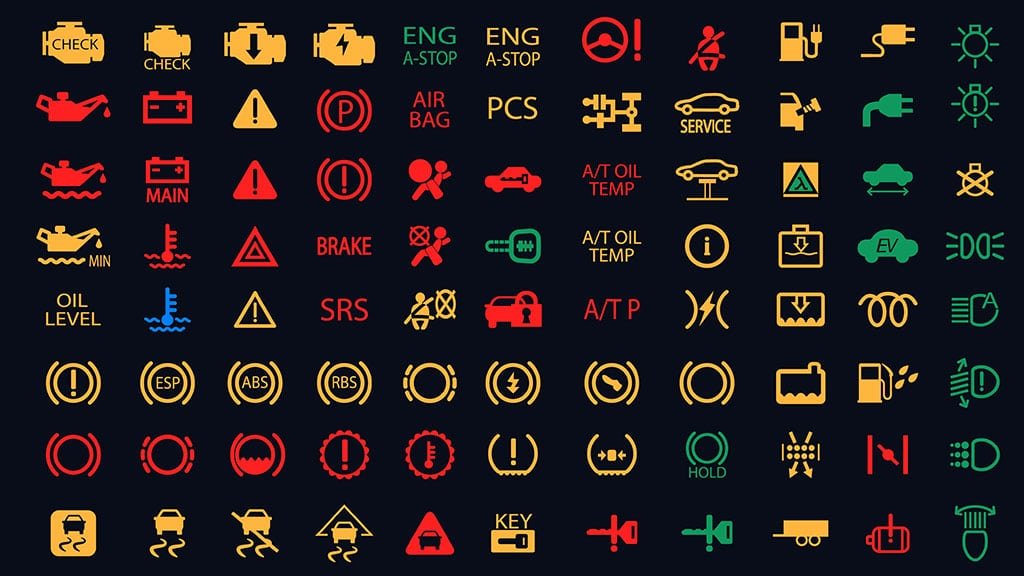
If you’re a vehicle owner, you know the anxiety that can arise when an engine warning light suddenly illuminates your dashboard. These warning lights are your vehicle’s way of communicating that something within its system requires attention. Ignoring them isn’t an option, as they can indicate anything from a minor issue to a potentially severe problem. Understanding these signals and knowing how to troubleshoot them can save you time, money, and stress. In this essential troubleshooting guide, we’ll decode common engine warning lights and provide insights into effectively diagnosing and addressing these alerts.
Understanding Engine Warning Lights
Engine warning lights are part of your vehicle’s onboard diagnostics (OBD) system. Modern vehicles are equipped with a sophisticated network of sensors and computers that monitor various components, including the engine, transmission, exhaust system, and more. When the OBD system detects a problem, it triggers a warning light on your dashboard. These lights are typically color-coded: red for critical issues that require immediate attention, yellow or amber for less severe problems, and green or blue for informational purposes.
Common Engine Warning Lights
Check Engine Light
The check engine light, often depicted as an engine icon, is one of the most common warning lights. It can be triggered by a multitude of issues, ranging from a loose gas cap to a serious engine malfunction. It’s important to address this light promptly, as ignoring it could lead to more significant problems and costly repairs.
Oil Pressure Warning Light
The oil pressure warning light, resembling an oil can, indicates low oil pressure. This could be due to low oil levels, a faulty oil pump, or a blocked oil passage. Low oil pressure can lead to engine damage, making it crucial to check your oil levels and address any leaks immediately.
Battery Charge Warning Light
The battery charge warning light, often depicted as a battery symbol, alerts you to issues with the vehicle’s charging system. This could be a result of a failing alternator, corroded battery terminals, or a worn-out battery. If this light comes on, it’s essential to check your battery and charging system to avoid being stranded with a dead battery.
Temperature Warning Light
The temperature warning light, usually represented by a thermometer symbol, indicates that the engine is overheating. Overheating can be caused by a malfunctioning cooling system, a failed thermostat, or low coolant levels. Continuing to drive with an overheated engine can cause severe damage, so it’s important to address this issue promptly.
Brake System Warning Light
The brake system warning light, often shown as an exclamation mark inside a circle, signals a problem with the braking system. This could be due to low brake fluid, worn-out brake pads, or an issue with the ABS. Since brakes are critical to vehicle safety, it’s vital to investigate and resolve any brake-related issues immediately.
Essential Troubleshooting Steps
Step 1: Don’t Panic
When a warning light appears, it’s easy to become anxious. However, staying calm and methodically addressing the issue is crucial. Pull over safely and consult your vehicle’s owner’s manual to understand the meaning of the specific warning light.
Step 2: Check the Basics
Before jumping to conclusions, check the basics. Ensure that your gas cap is properly tightened, as a loose cap can trigger the check engine light. Verify your vehicle’s fluid levels, including oil, coolant, and brake fluid, and top them up if necessary.
Step 3: Use an OBD-II Scanner
An OBD-II scanner is a valuable tool for diagnosing engine warning lights. Most auto parts stores offer free scanning services or affordable scanners for purchase. Connect the scanner to your vehicle’s OBD-II port, usually located under the dashboard, and retrieve the diagnostic trouble codes (DTCs). These codes provide insight into the specific issue triggering the warning light.
Step 4: Research the DTCs
Once you have the DTCs, research their meanings online or refer to your vehicle’s repair manual. This will help you understand the potential causes of the problem and guide you in deciding whether it’s something you can fix yourself or if professional assistance is required.
Step 5: Perform Basic Repairs
For minor issues, such as a loose gas cap or a dirty air filter, you may be able to perform the necessary repairs yourself. Many online resources and video tutorials can guide you through simple fixes. However, if the issue is beyond your expertise, don’t hesitate to seek professional help.
Step 6: Reset the Warning Light
After addressing the issue, reset the warning light using the OBD-II scanner. This will allow you to determine if the problem has been successfully resolved. If the light reappears, further investigation and repairs may be needed.
When to Seek Professional Help
While many minor issues can be resolved with basic troubleshooting, some problems require the expertise of a professional mechanic. If the warning light persists after attempting basic repairs, if you’re unsure of the problem’s severity, or if the issue involves critical systems like the brakes or engine, it’s best to consult a qualified technician. They have the knowledge, tools, and experience to diagnose and repair complex issues, ensuring your vehicle’s safety and reliability.
Preventative Maintenance
Preventative maintenance is key to avoiding engine warning lights and keeping your vehicle running smoothly. Regularly servicing your vehicle according to the manufacturer’s recommendations can identify potential problems before they escalate. This includes oil changes, fluid checks, brake inspections, and more. Staying proactive with maintenance not only extends your vehicle’s lifespan but also enhances safety and performance.
Conclusion
Decoding engine warning lights and effectively troubleshooting them is an essential skill for every vehicle owner. By understanding the significance of these lights and following a structured troubleshooting process, you can address issues promptly and prevent further damage. Remember, while some problems can be resolved with basic repairs, others require professional expertise. Prioritizing preventative maintenance and staying informed about your vehicle’s systems will ensure a smoother driving experience and peace of mind on the road.






Post Comment