Essential Car Care Tips for Beginners
Owning a car is a significant investment and a crucial aspect of personal convenience and mobility. However, to keep your vehicle running smoothly and extend its lifespan, regular maintenance and care are essential. For beginners, understanding the basics of car care can seem overwhelming, but with some fundamental knowledge, you can ensure your car remains in excellent condition. This guide provides essential car care tips for beginners, helping you maintain your vehicle’s performance and safety.
Regularly Check and Change Your Oil
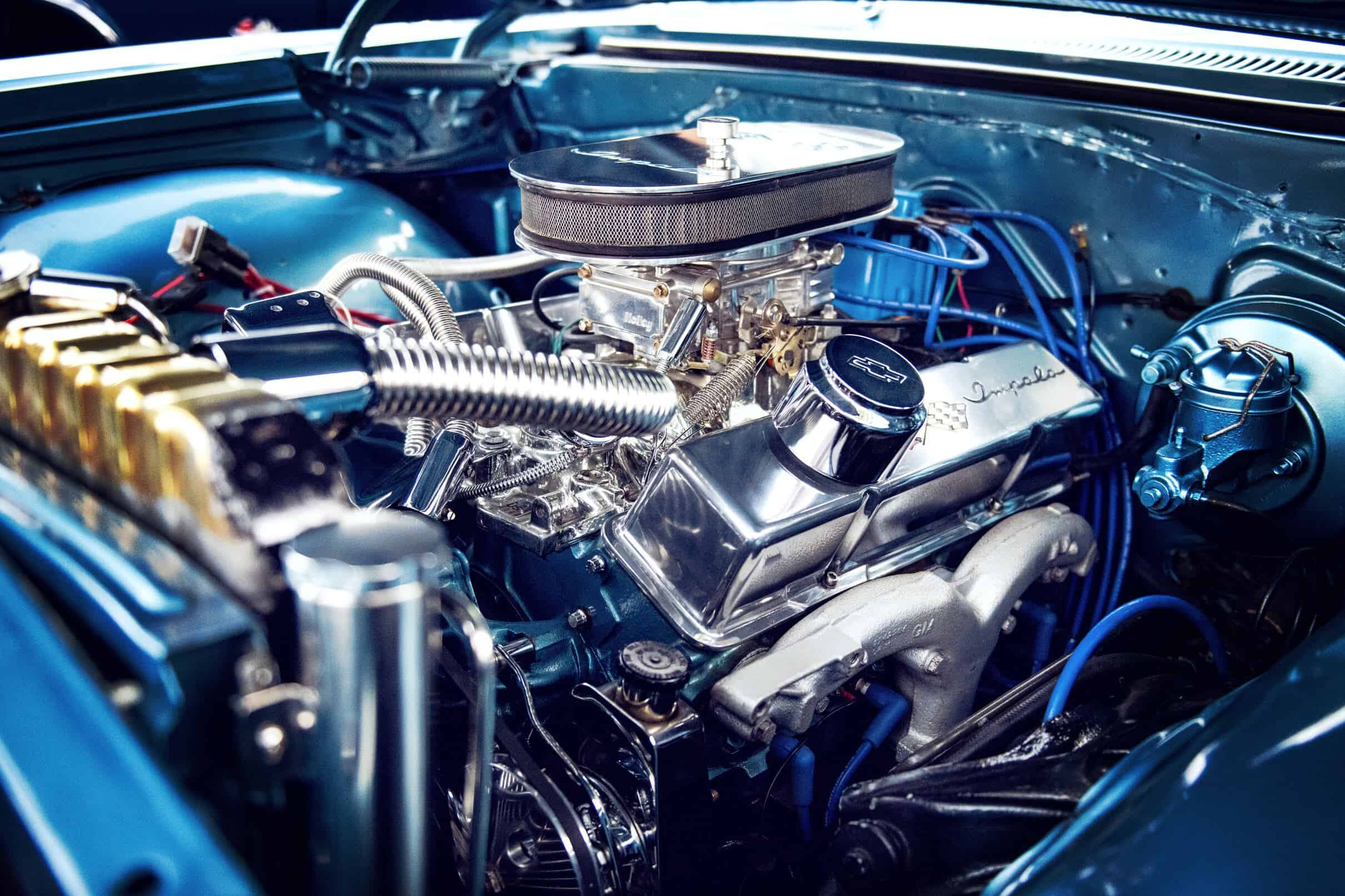
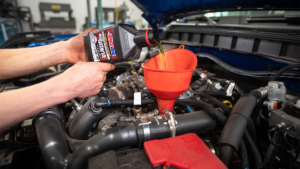
Oil is the lifeblood of your car’s engine, reducing friction, cleaning, cooling, and preventing corrosion. Regularly checking and changing your oil is vital for engine health. Generally, it’s recommended to change your oil every 3,000 to 5,000 miles, but always refer to your car’s manual for specific recommendations.
How to Check Your Oil
- Park your car on a level surface and turn off the engine.
- Wait for the engine to cool before proceeding.
- Locate the dipstick, pull it out, and wipe it clean with a rag.
- Reinsert the dipstick fully, then remove it again to check the oil level.
- If the oil level is low, top it up with the recommended oil type for your vehicle.
Maintain Tire Health
Tires are critical to your car’s safety and efficiency. Regularly inspecting and maintaining them can prevent accidents and improve fuel economy.
Check Tire Pressure
- Under-inflated tires can reduce fuel efficiency and increase wear and tear.
- Use a tire pressure gauge to check the pressure at least once a month.
- Inflate tires to the recommended pressure as specified in your car’s manual or on the door jamb sticker.
Inspect Tire Tread
- Tread depth is crucial for traction and safety.
- Use a tread depth gauge or the penny test (insert a penny into the tread with Lincoln’s head facing down; if you can see all of Lincoln’s head, it’s time to replace the tires).
Regularly Replace Air Filters
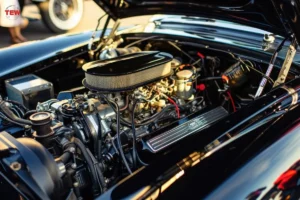
Air filters prevent dirt and debris from entering your engine. A clean air filter improves fuel efficiency and engine performance. Check your air filter every 12,000 to 15,000 miles or as recommended in your vehicle’s manual.
Monitor Fluid Levels
Aside from oil, your car relies on several other fluids to function correctly. Regularly check these to ensure your vehicle runs smoothly.
Brake Fluid
- Essential for a responsive braking system.
- Check the brake fluid reservoir level and top up if necessary.
Coolant
- Prevents your engine from overheating.
- Ensure the coolant level is between the minimum and maximum marks on the reservoir.
Transmission Fluid
- Vital for smooth shifting and transmission health.
- Check the level and quality of the fluid as per your vehicle’s manual.
Regularly Inspect Brakes
Brakes are crucial for safety. Listen for squeaking or grinding noises, which may indicate worn brake pads. Regular inspections, especially when changing oil, can help maintain the brake system’s efficiency and safety.
Keep the Battery in Good Condition
The battery powers your car’s electrical systems. Regular checks can prevent unexpected failures.
- Inspect the battery for corrosion and clean the terminals if necessary.
- Ensure the battery is securely mounted.
- Check the charge with a multimeter or have it tested during routine maintenance.
Maintain a Clean and Tidy Interior
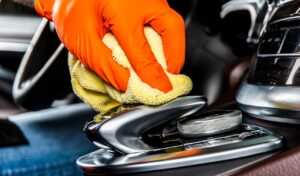
A clean interior not only makes your car more pleasant to drive but also maintains the vehicle’s value.
- Regularly vacuum carpets and seats to remove dirt and debris.
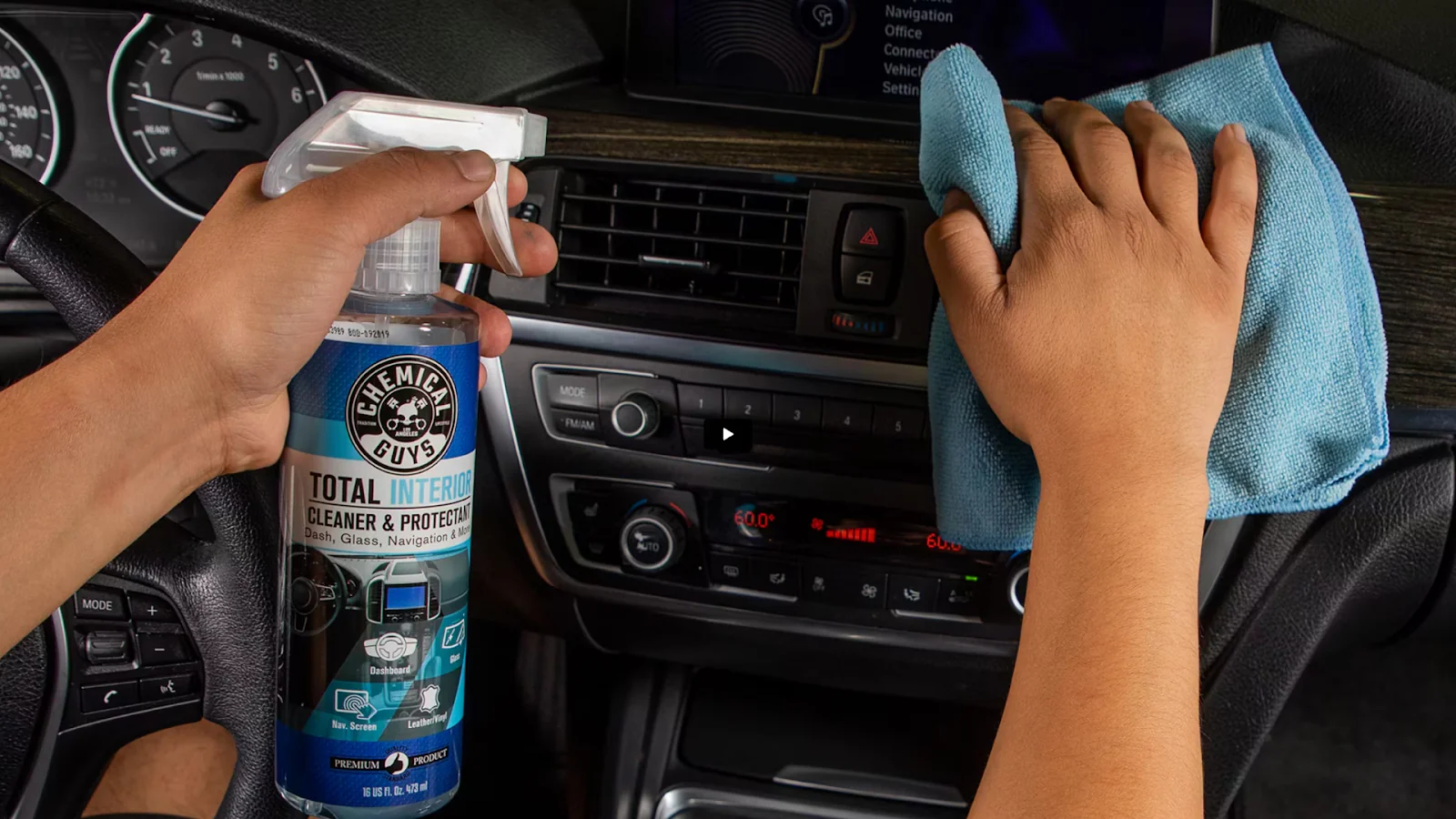
- Clean the dashboard and other surfaces with appropriate cleaners.
- Organize and declutter your car to keep it neat and functional.
Protect Your Car’s Exterior
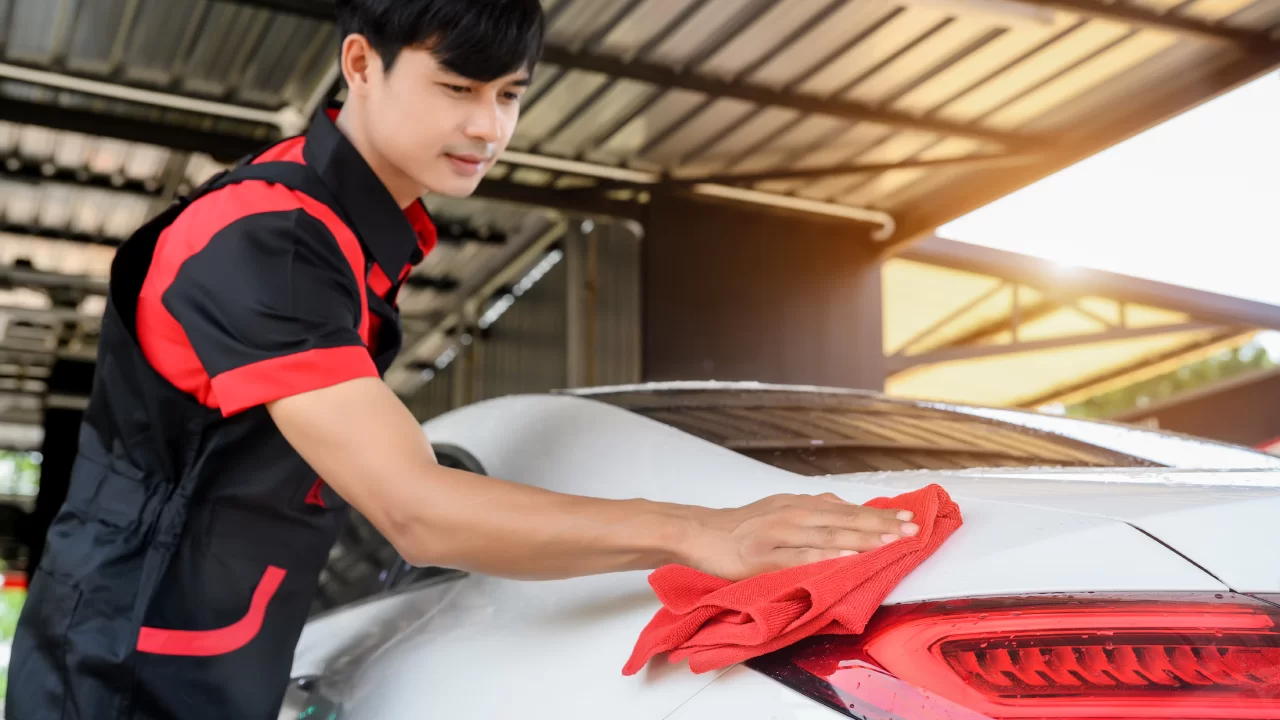
Keeping your car’s exterior in good condition involves regular washing and protecting the paintwork.
- Wash your car regularly to remove dirt, grime, and corrosive substances.
- Apply wax a few times a year to protect the paint and improve its shine.
- Park in shaded areas or use a car cover to protect from UV damage.
Stay Updated with Regular Maintenance
Following a regular maintenance schedule is crucial for long-term vehicle health. This includes routine oil changes, tire rotations, and professional inspections. Keeping up with scheduled maintenance as outlined in your car’s manual can prevent significant issues and costly repairs.
Conclusion
By following these essential car care tips, beginners can ensure their vehicles remain in optimal condition. Regular maintenance not only enhances performance and safety but also prolongs the life of your car. Remember, your car is an investment, and taking care of it will pay off in the long run, both in reliability and resale value. Embrace these car care habits, and you’ll enjoy a smoother, more efficient driving experience.





Post Comment