Essential Car Maintenance Tips for Beginners
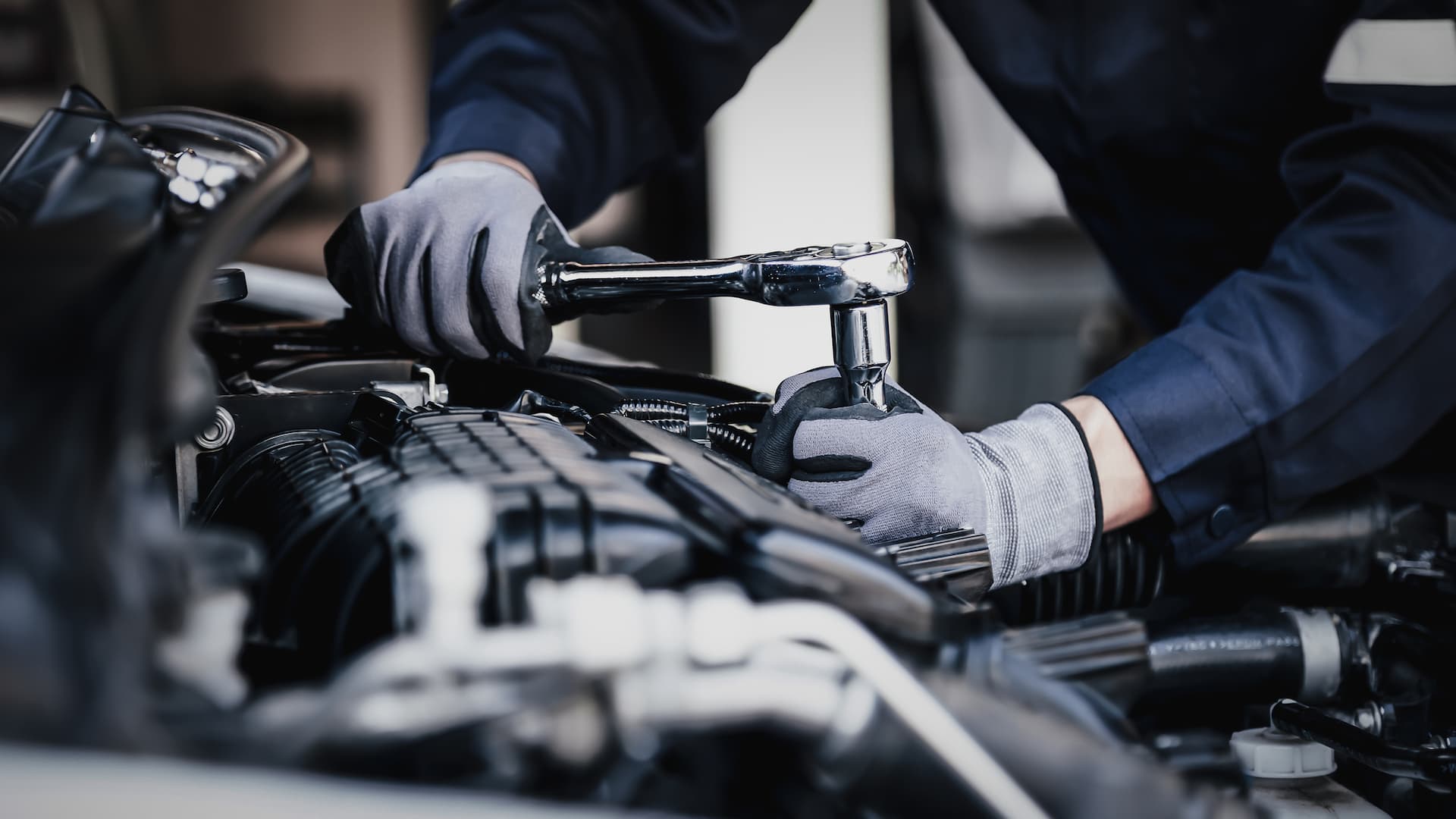
Owning a car is a significant responsibility that goes beyond just driving. Maintenance is a crucial aspect of car ownership, ensuring that your vehicle remains reliable, efficient, and safe for you and your passengers. For beginners, car maintenance might seem daunting, but with a little guidance and some basic knowledge, you can keep your car in great shape. This article provides essential car maintenance tips that every beginner should know.
Understanding Your Car’s Manual
The first and most important step in car maintenance is to read and understand your car’s owner manual. This manual is a treasure trove of information about your vehicle, including recommended maintenance schedules, types of fluids your car needs, and how to perform basic maintenance tasks. Familiarizing yourself with the manual can save you time, money, and prevent unnecessary repairs.
Regular Oil Changes
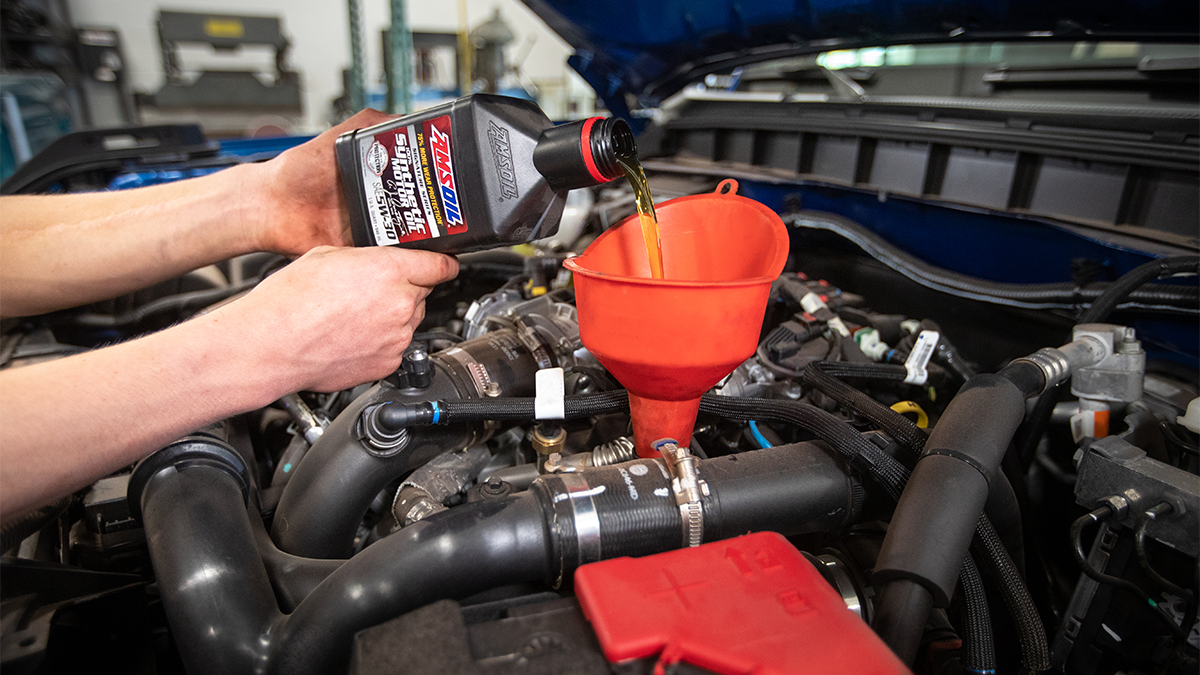
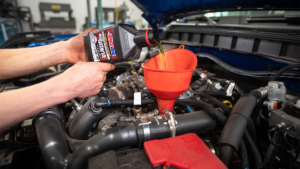
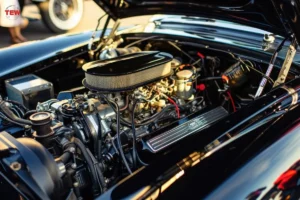
Oil is the lifeblood of your car’s engine, and regular oil changes are critical to its longevity. Oil lubricates the engine’s moving parts, reduces friction, and helps dissipate heat. Over time, oil breaks down and becomes contaminated, which can lead to engine wear and tear. It’s typically recommended to change your car’s oil every 3,000 to 5,000 miles, but you should consult your owner’s manual for the specific interval for your vehicle.
Checking and Replacing Air Filters
Air filters play a crucial role in your car’s performance, as they prevent dirt and debris from entering the engine. A clogged air filter can reduce fuel efficiency and affect engine performance. Checking your air filter every 12,000 to 15,000 miles and replacing it if necessary is a simple yet effective maintenance task.
Tire Maintenance
Checking Tire Pressure
Properly inflated tires are essential for safe driving and fuel efficiency. Under-inflated tires can lead to increased fuel consumption, poor handling, and tire wear. Use a tire pressure gauge to check your tires at least once a month and before long trips. Refer to the owner’s manual or the sticker inside the driver’s door for the recommended tire pressure.
Rotating Tires
Tire rotation is a preventative maintenance measure that ensures even tire wear. Rotating your tires every 6,000 to 8,000 miles helps prolong their lifespan and improve performance. It’s a relatively simple process that involves moving the tires from one position to another, such as front to back or side to side.
Brakes and Brake Fluid
Brakes are one of the most critical safety components of your car. Regularly inspecting your brakes and brake fluid can prevent accidents and costly repairs. If you hear squeaking, grinding, or notice a decrease in braking performance, it’s time to have your brakes checked. Brake fluid should be checked and replaced as needed, typically every two years or as recommended by your vehicle’s manufacturer.
Battery Maintenance
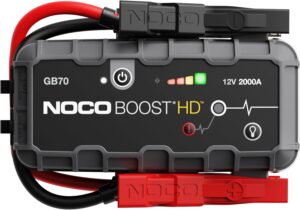
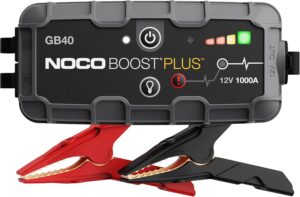
Your car’s battery provides the electrical energy needed to start the engine and power electrical components. To maintain your battery, regularly check for corrosion on the terminals and clean them if necessary. Ensure the battery is securely mounted and that the connections are tight. Most car batteries last about three to five years, so keep an eye on its age and replace it when necessary.
Fluid Levels
Besides oil and brake fluid, your car relies on several other fluids to operate efficiently:
Coolant
Coolant, or antifreeze, regulates your car’s temperature and prevents the engine from overheating. Check the coolant level regularly and top it off if needed. Always check the coolant reservoir when the engine is cool to avoid injury.
Transmission Fluid
Transmission fluid lubricates and cools the components of the transmission system. Low or dirty transmission fluid can lead to shifting problems and transmission damage. Check the transmission fluid level as per your owner’s manual and replace it as recommended.
Power Steering Fluid
Power steering fluid is essential for smooth steering operation. If you notice difficulty in steering or hear whining noises, check the power steering fluid level and top it off if needed.
Lights and Electrical System
Ensuring that all lights and the electrical system are functioning correctly is vital for safety. Regularly check all the lights, including headlights, brake lights, turn signals, and interior lights. Replace any burnt-out bulbs promptly. Additionally, ensure that the electrical system, including the alternator and fuses, is in good working order.
Windshield Wipers and Washer Fluid
Clear visibility is essential for safe driving. Check your windshield wipers for signs of wear and replace them if they leave streaks or don’t clear the windshield effectively. Keep your windshield washer fluid reservoir full, especially during seasons with inclement weather.
Exhaust System
Your car’s exhaust system helps reduce emissions and noise. Regularly inspect the exhaust system for leaks, rust, or damage. If you notice unusual noises or a decrease in fuel efficiency, have your exhaust system checked by a professional.
Keeping Your Car Clean
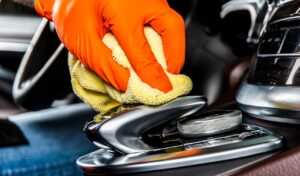
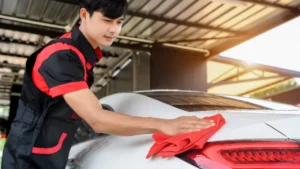
While it might seem cosmetic, keeping your car clean is an essential part of maintenance. Regular washing and waxing protect the paint and prevent rust. Clean the interior regularly to maintain the value and comfort of your vehicle.
Professional Inspections
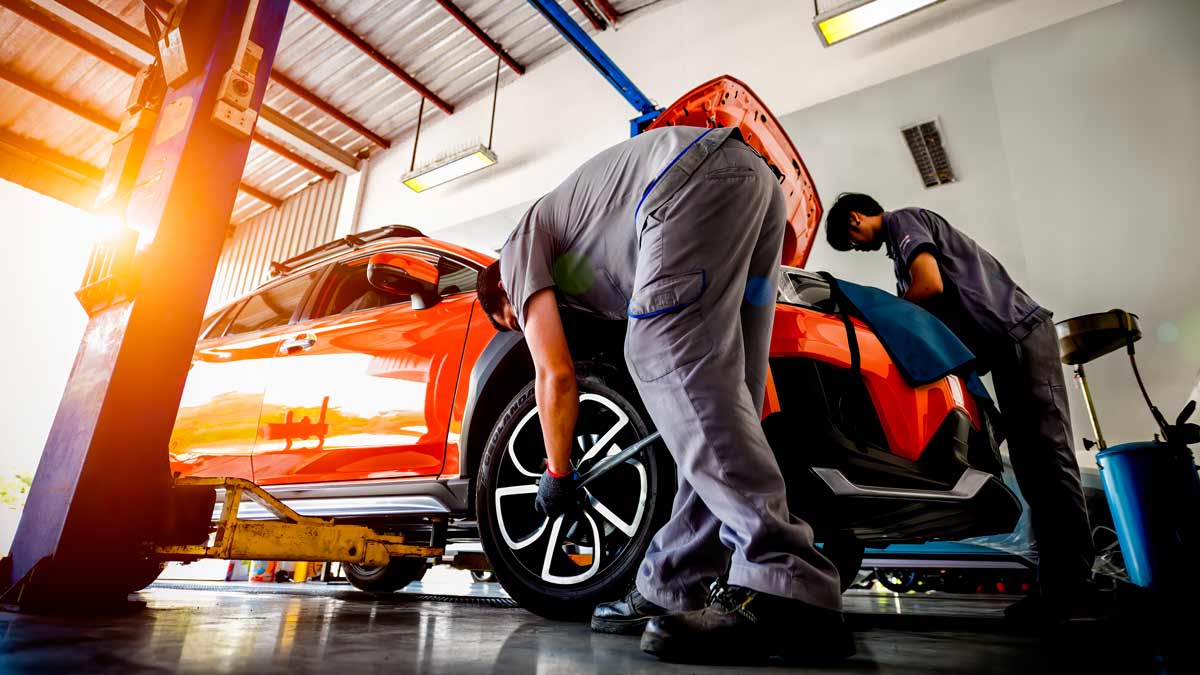
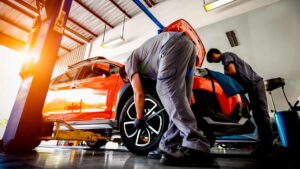
While many maintenance tasks can be done at home, it’s essential to have your car inspected by a professional mechanic regularly. A professional can identify potential issues and perform more complex maintenance tasks, ensuring your car remains in top condition.
Conclusion
Car maintenance might seem overwhelming for beginners, but it becomes manageable with a little knowledge and routine. By understanding your car’s manual, performing regular checks, and addressing issues promptly, you can extend the life of your vehicle and enjoy a safe and smooth driving experience. Remember, a well-maintained car not only protects your investment but also ensures the safety of you and your passengers on the road.
#ChatGPT assisted in the creation of this article.

Post Comment