Essential Car Maintenance Tips for Optimal Performance
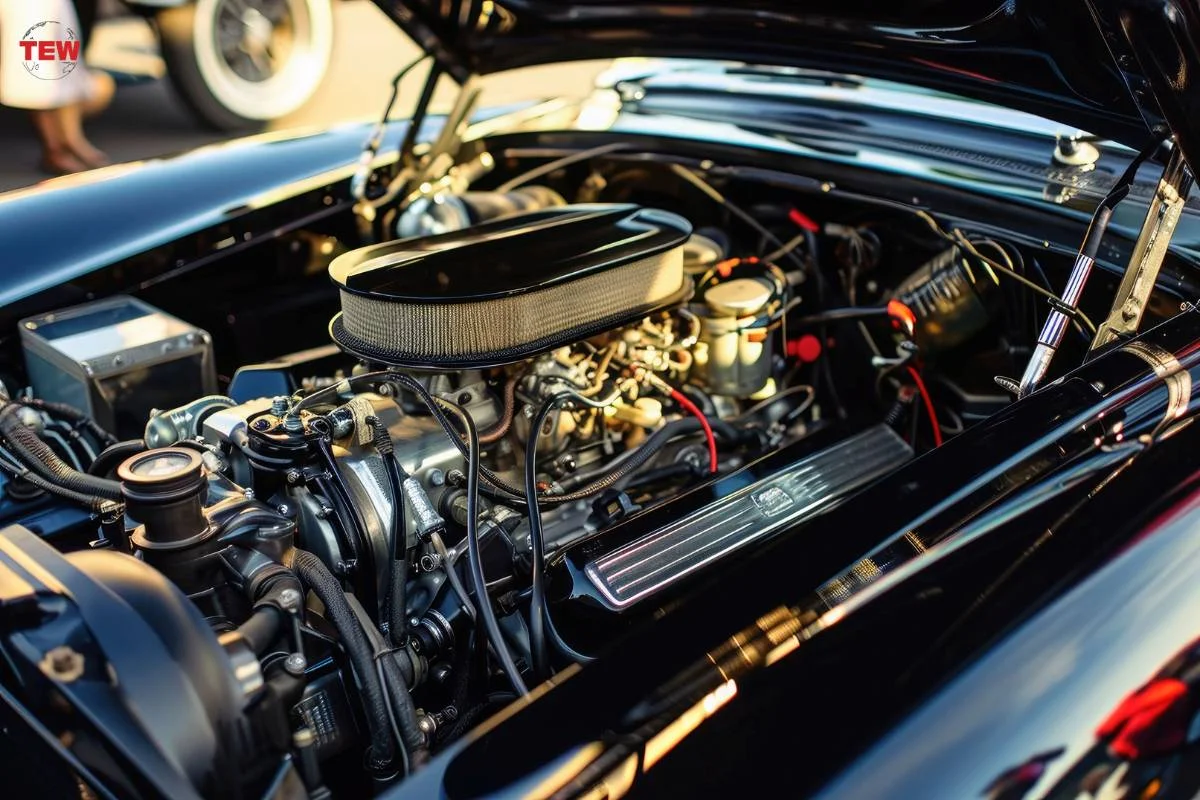
Owning a car is a significant investment, and ensuring its longevity and optimal performance requires regular maintenance. Regular maintenance not only enhances the vehicle’s performance but also ensures safety and can save you from costly repairs down the road. This article outlines essential car maintenance tips that every car owner should follow to keep their vehicle running smoothly and efficiently.
Regular Oil Changes
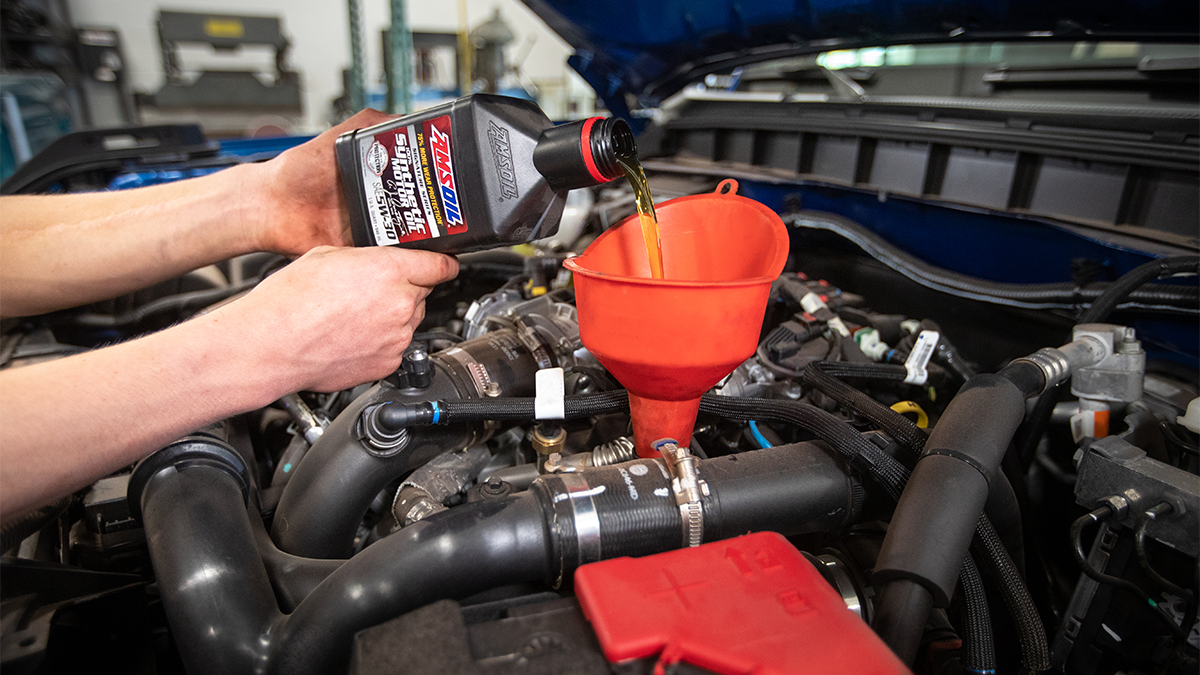
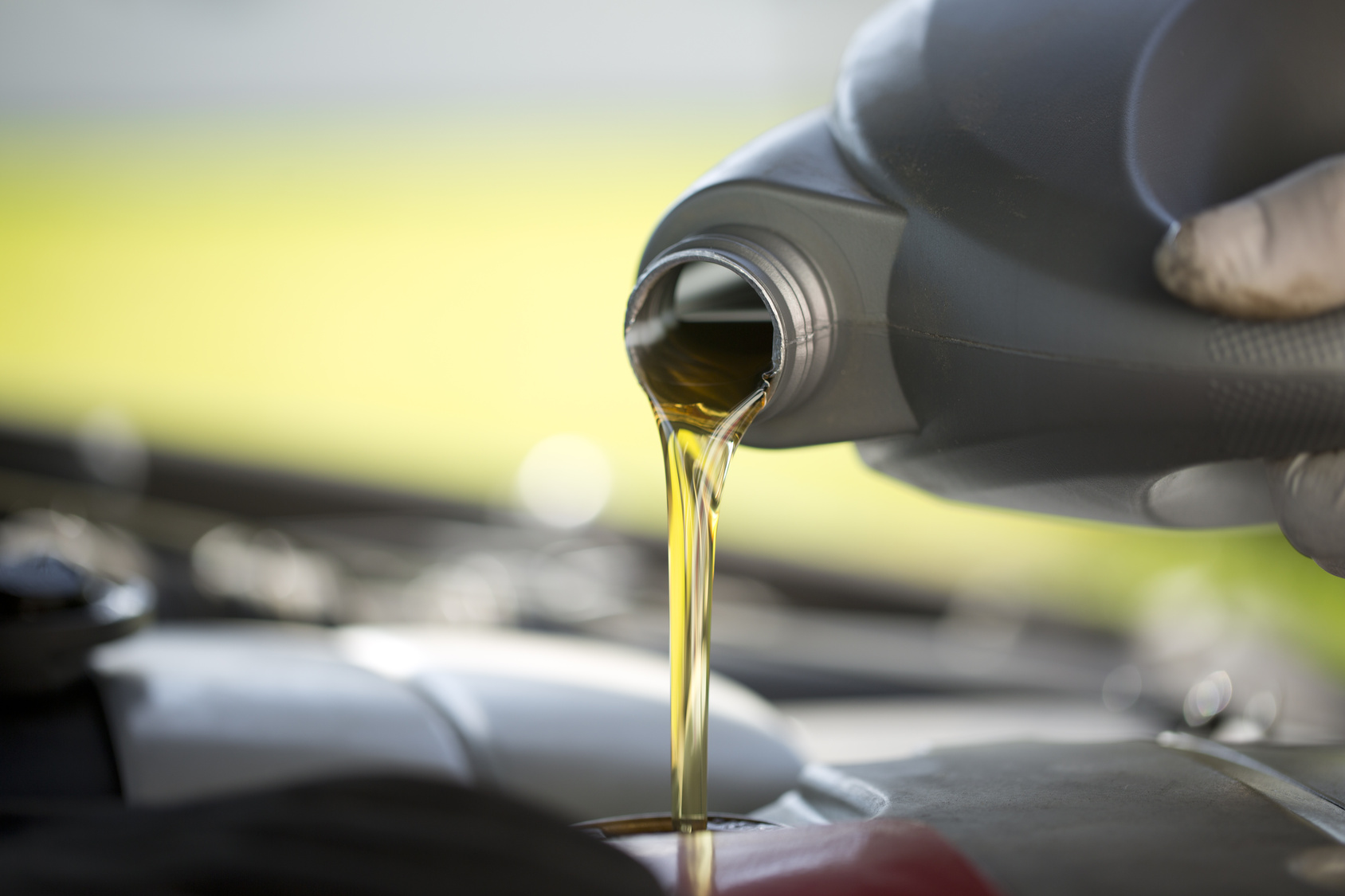
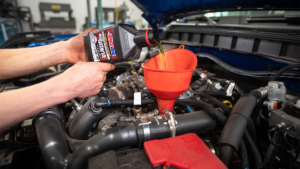
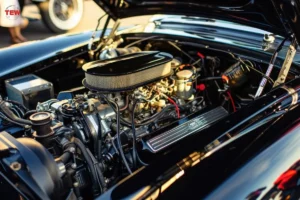
One of the most critical aspects of car maintenance is changing the engine oil regularly. Engine oil lubricates the moving parts, reduces friction, and helps in cooling the engine. Over time, oil breaks down and becomes contaminated with dust, dirt, and debris, which can cause engine wear.
When to Change Oil
Typically, it is recommended to change the oil every 3,000 to 5,000 miles, but this can vary based on the car’s make, model, and driving conditions. Modern vehicles often have an oil life monitoring system that indicates when it’s time to change the oil.
Types of Oil
Choosing the right type of oil is crucial. There are conventional, synthetic, and semi-synthetic oils available. While synthetic oils are more expensive, they offer better performance and protection, especially in extreme temperatures.
Check and Maintain Tire Health
Tires are the only contact between your car and the road, making their maintenance crucial for safety and performance.
Regular Tire Pressure Checks
Under-inflated or over-inflated tires can affect fuel efficiency, handling, and tire longevity. It’s essential to check tire pressure monthly and before long trips. Refer to the owner’s manual or the placard inside the driver’s door for the correct tire pressure.
Wheel Alignment and Balancing
Misaligned wheels can cause uneven tire wear and affect handling. It’s advisable to have your wheel alignment checked at least once a year or if you notice the car pulling to one side. Balancing your tires is equally important to ensure even weight distribution and smooth rotation.
Tire Rotation
Rotating your tires every 6,000 to 8,000 miles helps ensure even wear, extending their lifespan and improving performance.
Brake Maintenance
Brakes are vital for safety, and their maintenance should never be neglected.
Regular Brake Inspections
Inspect brake pads, rotors, and fluid regularly. Brake pads should be replaced when they are less than a quarter-inch thick. Listen for unusual noises like squeaking or grinding, which could indicate worn brake pads or other issues.
Brake Fluid
Brake fluid is essential for proper brake function. It should be checked regularly and replaced as necessary. Contaminated or low brake fluid can lead to brake failure.
Battery Care
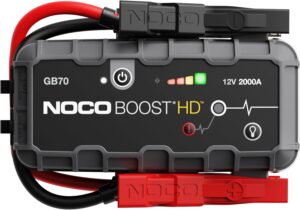
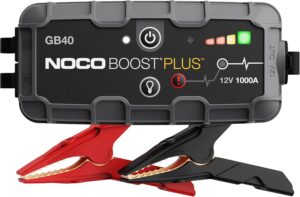
The car battery provides the electrical power necessary to start the engine and power other electrical components.
Regular Battery Inspections
Check the battery terminals for corrosion and ensure they are tightly connected. Clean any corrosion with a mixture of baking soda and water.
Battery Replacement
Car batteries typically last 3-5 years. If you notice slow engine cranking or dim lights, it might be time for a replacement.
Fluid Checks
Apart from oil and brake fluid, other essential fluids need regular checks.
Coolant
Coolant helps in regulating the engine temperature. Low coolant levels can lead to overheating, so it’s important to check and top it up as necessary.
Transmission Fluid
Transmission fluid lubricates the transmission system and should be checked regularly. Consult your owner’s manual for the recommended type and change intervals.
Power Steering Fluid
Power steering fluid is crucial for the smooth operation of the steering system. Check the fluid level and inspect for any leaks.
Air Filter Replacement
The air filter prevents dust and debris from entering the engine. A clogged air filter can reduce engine efficiency and performance.
When to Replace
It’s generally recommended to replace the air filter every 12,000 to 15,000 miles. However, if you drive in dusty conditions, more frequent changes may be necessary.
Lights and Wipers
Proper visibility is critical for safe driving.
Regular Light Inspections
Inspect all the lights, including headlights, tail lights, and signal lights, to ensure they are functioning correctly. Replace any burnt-out bulbs promptly.
Windshield Wipers
Worn wipers can impair visibility during rain. Replace them every six months to a year, or as soon as you notice a decline in performance.
Conclusion
Regular car maintenance is essential for optimal performance, safety, and longevity of your vehicle. By adhering to these maintenance tips, you can enjoy a smoother, safer driving experience and potentially avoid costly repairs. Always consult your vehicle’s owner manual for specific maintenance schedules and recommendations tailored to your car model. Remember, investing time and effort in regular maintenance today can save you significant time and money in the future.

Post Comment