Essential Car Repair Guide: Boost Your Vehicle’s Lifespan
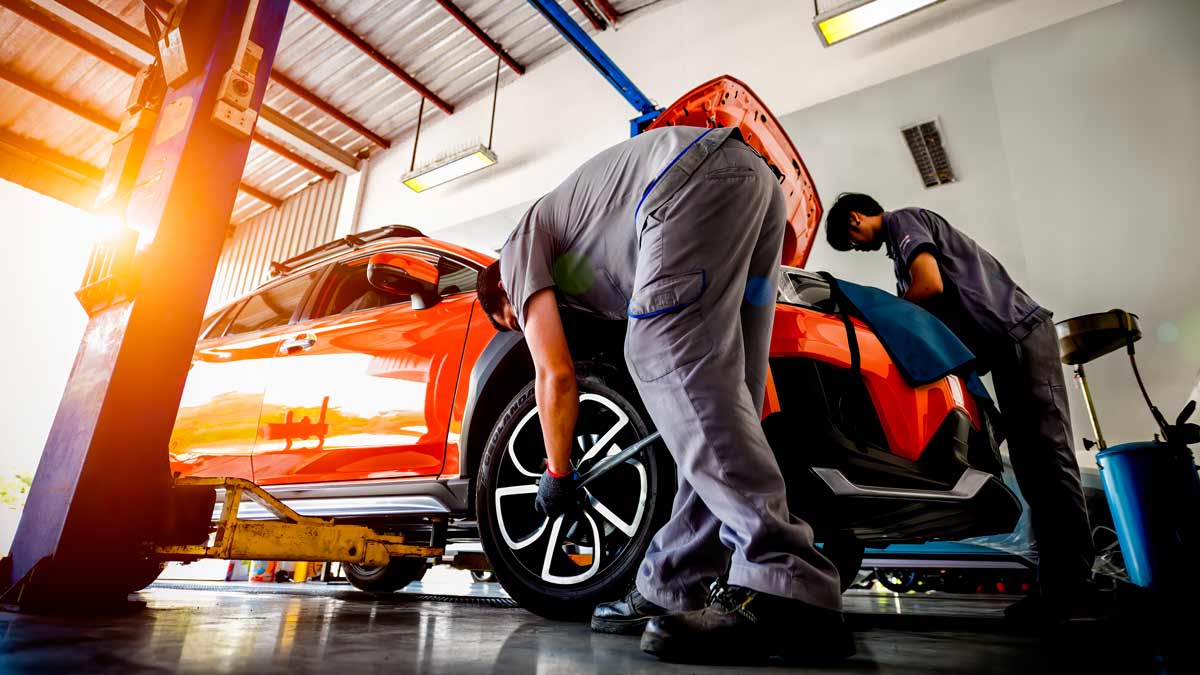
Owning a vehicle is a significant investment, both financially and emotionally. A well-maintained car not only ensures safety and reliability but also extends the vehicle’s lifespan, saving you money in the long run. This essential car repair guide aims to provide practical insights and advice on how to boost your vehicle’s lifespan through regular maintenance and timely repairs.
Understanding the Importance of Regular Maintenance
Routine maintenance is the cornerstone of vehicle longevity. By adhering to a regular maintenance schedule, you can identify and address potential issues before they escalate into costly repairs. Regular maintenance typically includes oil changes, tire rotations, brake inspections, and fluid checks. These basic yet crucial tasks ensure that your car runs smoothly and efficiently.
Oil Changes
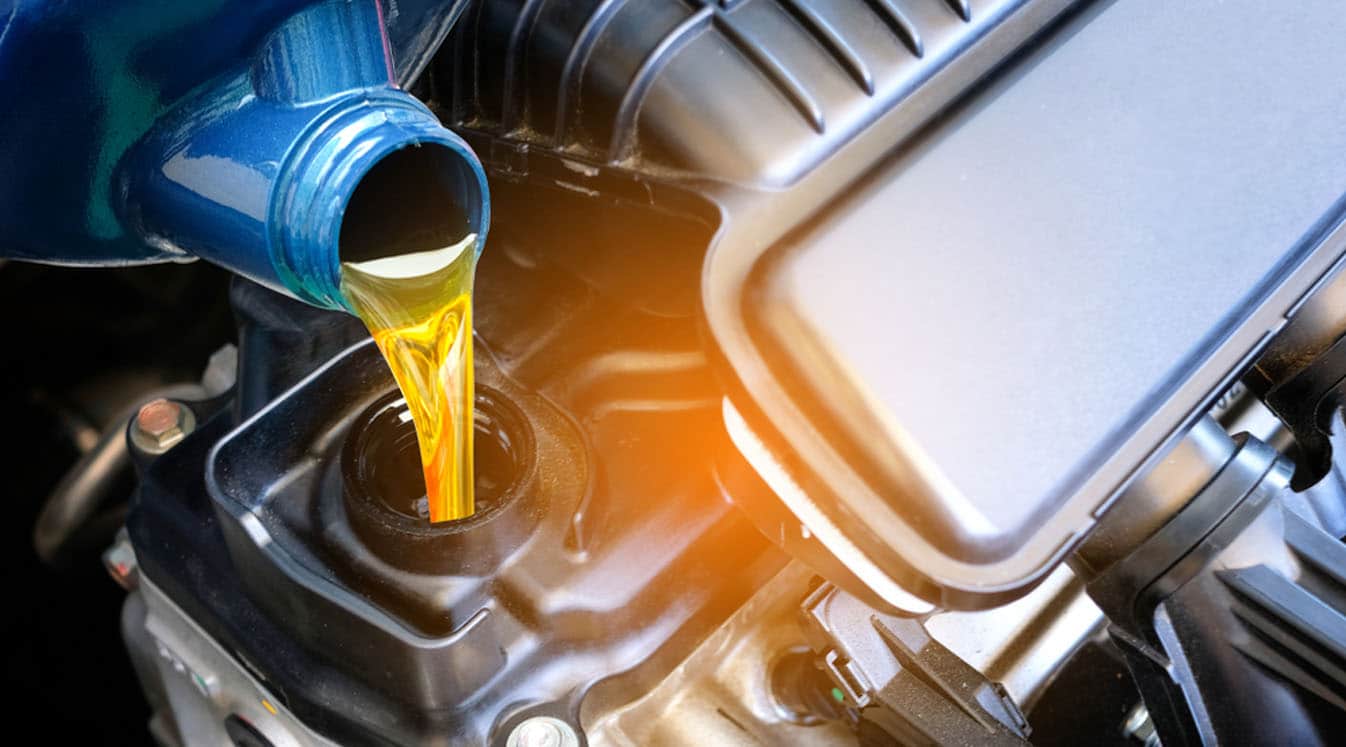
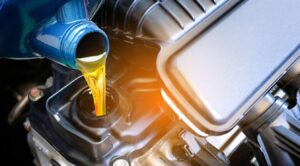
Oil is the lifeblood of your engine. It lubricates, cools, and cleans the engine components, reducing friction and preventing wear. Over time, oil breaks down and becomes less effective, which can lead to engine damage. Changing your oil and oil filter every 3,000 to 5,000 miles, or as recommended by your manufacturer, is essential to keep your engine in top condition.
Tire Maintenance
Tires are your vehicle’s direct contact with the road, and their condition significantly impacts safety and performance. Regularly checking tire pressure, alignment, and tread depth is vital. Properly inflated and aligned tires enhance fuel efficiency, improve handling, and prolong tire life. Rotating your tires every 6,000 to 8,000 miles ensures even wear and maximizes their lifespan.
Brake System Checks
Your brakes are one of the most critical safety components of your vehicle. Regular brake inspections can identify wear and tear on brake pads, rotors, and calipers. Replacing brake pads when they are worn down prevents damage to rotors and ensures your vehicle can stop safely. Brake fluid should also be checked and replaced according to the manufacturer’s recommendations to maintain braking efficiency.
Fluid Checks
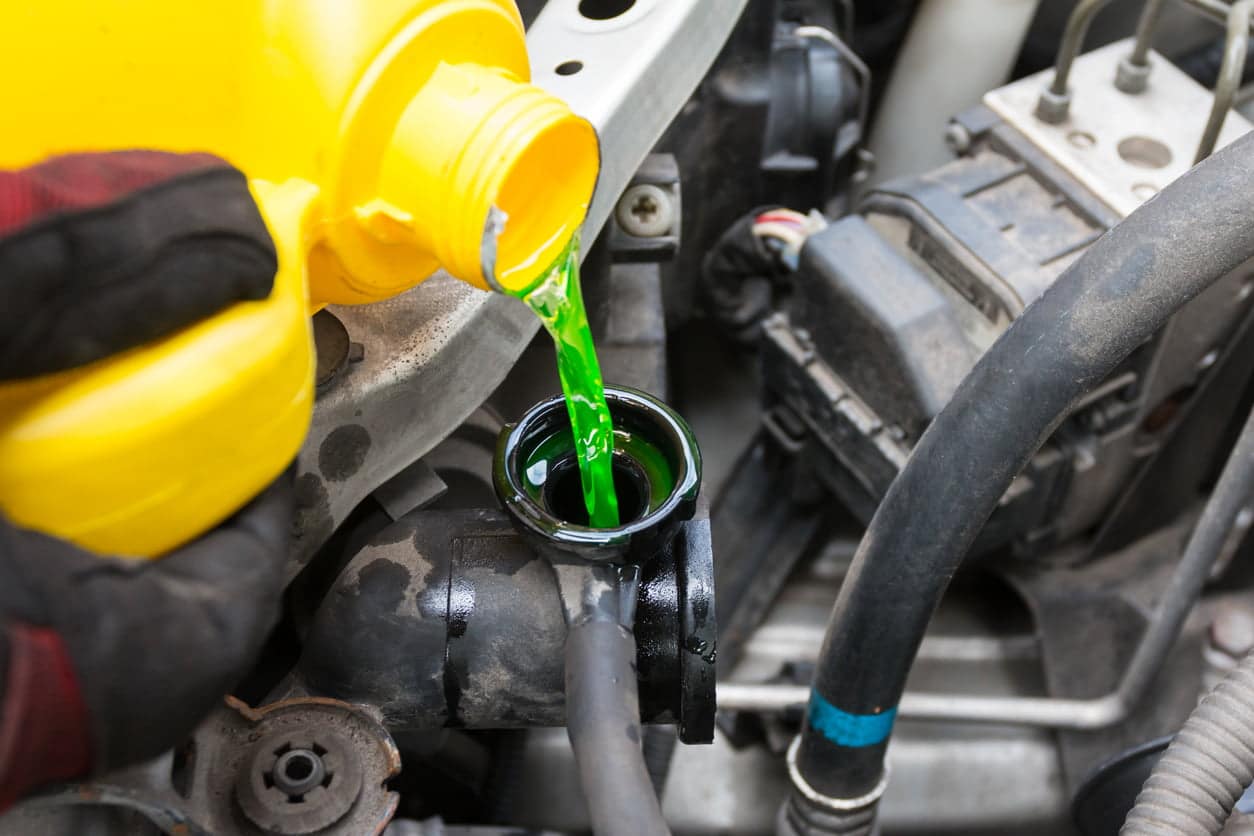
Besides oil, your vehicle relies on several other fluids to function correctly, including coolant, transmission fluid, power steering fluid, and brake fluid. Regularly checking and topping off these fluids helps prevent overheating, transmission issues, and steering problems. Flushing and replacing fluids at the intervals recommended by your vehicle’s manufacturer can prevent severe mechanical issues.
Identifying Common Car Problems
Even with regular maintenance, cars can develop issues over time. Being able to identify common car problems early can save you from costly repairs and breakdowns. Here are a few symptoms to watch for:
Engine Warning Lights
The dashboard warning lights are your car’s way of communicating potential problems. The check engine light, in particular, can indicate a wide range of issues, from a loose gas cap to more serious engine problems. Ignoring these warnings can lead to more severe damage, so it’s crucial to address them as soon as they appear.
Unusual Noises
Unusual noises, such as squealing brakes, grinding gears, or rattling under the hood, can indicate mechanical problems. Squealing brakes may suggest worn-out brake pads, while grinding gears could point to a transmission issue. Investigating these noises promptly can prevent minor issues from becoming significant repairs.
Fluid Leaks
Fluid leaks under your vehicle can signal a problem with the engine, transmission, or cooling system. Common leaks include oil, coolant, and transmission fluid. Identifying the type of fluid and its source is crucial for diagnosing and repairing the issue. Regularly checking your parking spot for leaks and addressing them promptly can prevent further damage.
Poor Performance
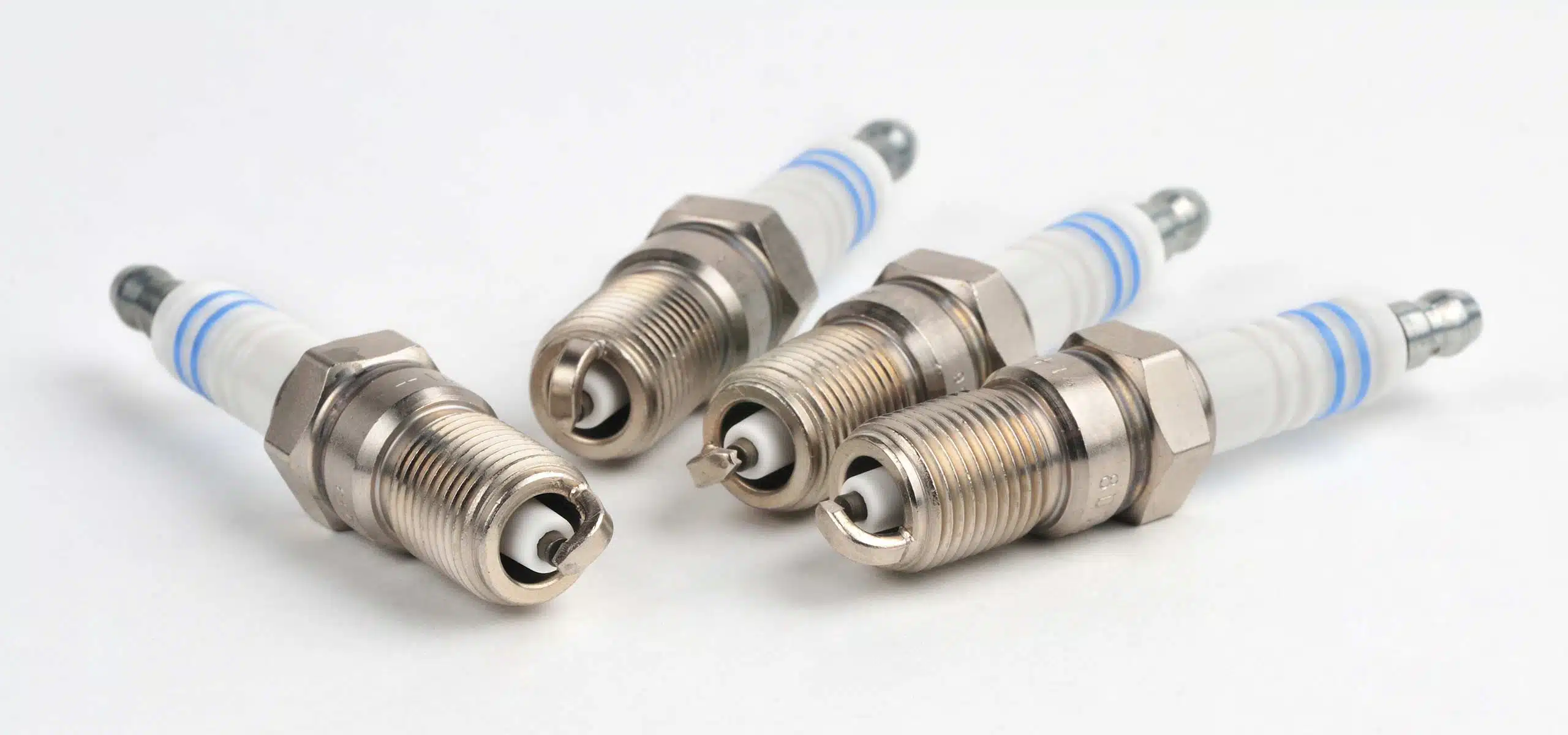
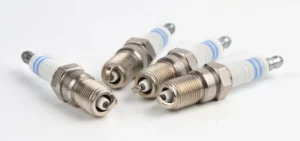
If your car feels sluggish, has trouble starting, or experiences a drop in fuel efficiency, it may be time for a tune-up. Poor performance can result from various issues, such as clogged air filters, faulty spark plugs, or fuel system problems. Regular tune-ups help maintain engine efficiency and prevent more significant issues.
DIY Repairs vs. Professional Help
While some car maintenance tasks can be handled by the average car owner, others require professional expertise. Understanding your limits and knowing when to seek professional help can prevent further damage and ensure safe repairs.
DIY Repairs
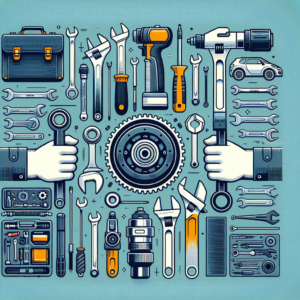
Simple tasks like changing oil, replacing air filters, and swapping out wiper blades can often be done at home with basic tools and a little knowledge. Many online resources and tutorials can guide you through these processes. DIY repairs can save you money and give you a better understanding of your vehicle.
When to Seek Professional Help
More complex repairs, such as brake replacements, transmission repairs, or electrical issues, should be left to professionals. These tasks require specialized tools and expertise to ensure they are done correctly and safely. Attempting these repairs without the proper knowledge can lead to further damage and safety hazards.
Choosing the Right Mechanic
Finding a trustworthy and skilled mechanic is crucial for maintaining your vehicle’s health. When choosing a mechanic, consider the following factors:
Certifications and Experience
Look for mechanics with certifications from reputable organizations, such as the National Institute for Automotive Service Excellence (ASE). These certifications indicate a high level of expertise and professionalism. Additionally, inquire about the mechanic’s experience with your specific vehicle make and model.
Customer Reviews and Recommendations
Online reviews and recommendations from friends and family can provide valuable insights into a mechanic’s reputation and quality of service. Look for consistently positive feedback and satisfied customers.
Transparency and Communication
A good mechanic should be transparent about the work needed, costs involved, and time required for repairs. Clear communication and willingness to answer your questions indicate a trustworthy professional who values customer satisfaction.
Conclusion
Maintaining and repairing your vehicle is essential for ensuring its longevity and reliability. By following a regular maintenance schedule, identifying and addressing common car problems early, and knowing when to seek professional help, you can boost your vehicle’s lifespan and enjoy a safe and smooth driving experience. Investing time and effort in car care today can save you money and stress in the future.




Post Comment