Essential Car Service Checklist for Optimal Performance
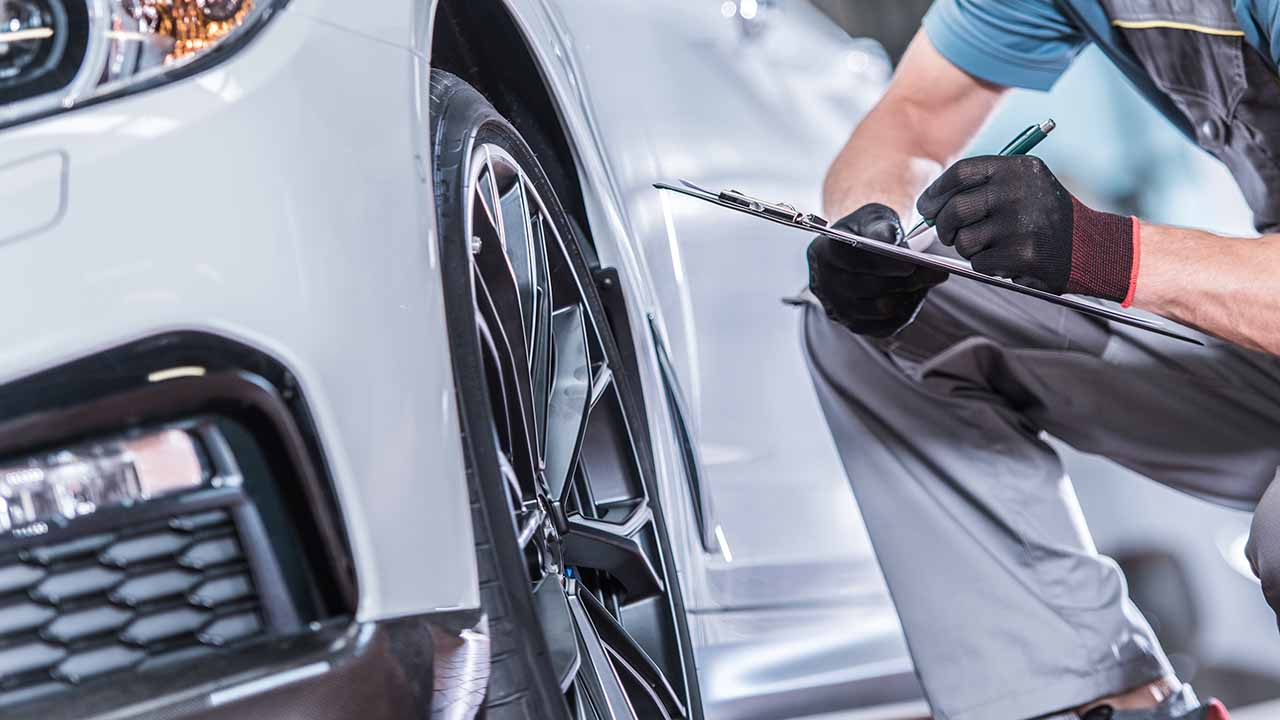
Regular car maintenance is crucial for ensuring your vehicle operates efficiently and safely.
While modern cars are built to last longer and require less maintenance than their predecessors,
neglecting regular service can still lead to serious issues, reduced performance, and higher repair costs.
To help you keep your car in optimal condition, we have compiled an essential car service checklist
that covers all the major aspects of vehicle maintenance.
Engine Oil and Filter
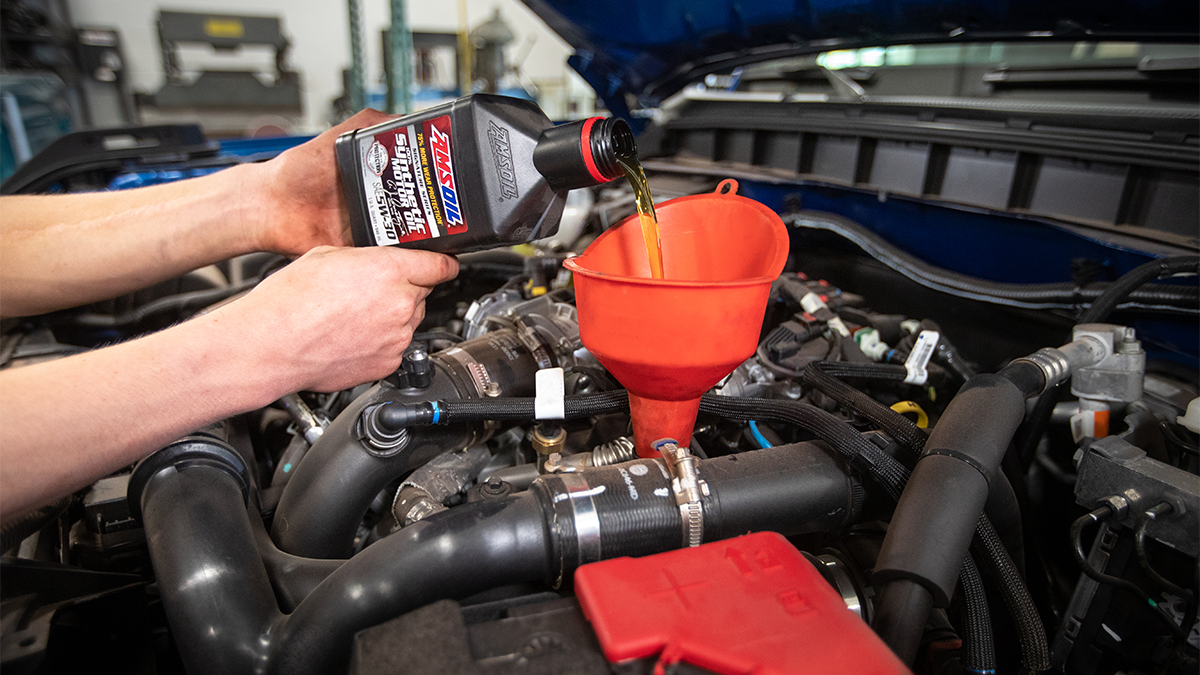
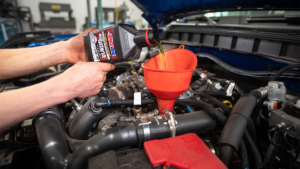
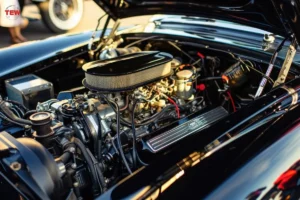
Engine oil is the lifeblood of your car’s engine, lubricating vital components to reduce friction and prevent overheating.
Regular oil changes are crucial for maintaining engine health, and most manufacturers recommend changing the oil every 3,000 to 5,000 miles.
Along with replacing the oil, it’s important to change the oil filter to ensure contaminants are removed effectively.
Brake System
The brake system is one of the most critical safety components of your vehicle.
Regularly check the brake pads, rotors, and brake fluid to ensure everything is in proper working condition.
Brake pads typically need replacement every 20,000 to 50,000 miles, depending on driving habits.
Additionally, ensure the brake fluid is topped up and free of air bubbles to maintain braking efficiency.
Battery and Electrical System
A car battery typically lasts between three to five years.
Regularly inspect the battery terminals for corrosion and ensure they are clean and tightly connected.
Check the battery’s charge level and recharge or replace it if necessary.
Additionally, inspect the vehicle’s electrical system, including lights, wipers, and the alternator, to ensure everything is functioning correctly.
Tires and Wheels
Tires are the only point of contact between your vehicle and the road, making their maintenance essential for safety and performance.
Regularly inspect tires for proper inflation, tread wear, and alignment.
Rotate the tires every 6,000 to 8,000 miles to ensure even wear, and replace them when the tread depth falls below the recommended level.
Cooling System
The cooling system plays a vital role in maintaining the engine’s temperature.
Regularly inspect the radiator, hoses, and coolant levels.
Ensure there are no leaks and that the coolant is at the correct concentration to prevent overheating.
Flushing the cooling system every 30,000 miles can help remove debris and old coolant, ensuring optimal performance.
Transmission System
The transmission system requires regular maintenance to ensure smooth gear shifts and overall vehicle performance.
Check the transmission fluid levels and condition, and replace it as needed.
Most manufacturers recommend changing the transmission fluid every 30,000 to 60,000 miles.
Also, pay attention to any unusual noises or difficulty in shifting gears, as these may indicate issues that need addressing.
Suspension and Steering
The suspension and steering systems contribute to ride comfort and vehicle handling.
Regularly inspect the shock absorbers, struts, and steering components for signs of wear or damage.
Listen for any unusual noises when turning the steering wheel or going over bumps, as these may indicate potential issues.
Keeping these components in good condition will ensure a smooth and controlled driving experience.
Exhaust System
The exhaust system plays a crucial role in reducing emissions and ensuring engine performance.
Regularly inspect the exhaust pipes, muffler, and catalytic converter for any leaks, rust, or damage.
Addressing exhaust issues promptly can prevent more serious engine problems and ensure compliance with emission standards.
Air Filters
Air filters prevent dirt and debris from entering the engine and cabin.
Regularly inspect and replace the engine air filter to maintain optimal airflow and fuel efficiency.
Similarly, replace the cabin air filter to ensure clean air circulation inside the vehicle, which is especially important for passengers with allergies.
Belts and Hoses
Belts and hoses are vital components that ensure the proper functioning of various systems in your car.
Regularly inspect the serpentine belt, timing belt, and hoses for signs of wear, cracks, or leaks.
Replacing them at the first sign of damage can prevent breakdowns and costly repairs.
Lighting and Visibility
Ensuring proper lighting and visibility is crucial for safe driving, especially at night or during adverse weather conditions.
Regularly check all exterior and interior lights, including headlights, taillights, turn signals, and brake lights.
Replace any burnt-out bulbs promptly and ensure the windshield wipers are in good condition to maintain clear visibility.
Fluid Levels
In addition to the fluids mentioned earlier, it’s important to regularly check other fluid levels, such as power steering fluid, windshield washer fluid, and differential fluid.
Keeping these fluids at the correct levels ensures the proper functioning of various systems and prevents potential issues.
Regular Inspections and Professional Servicing
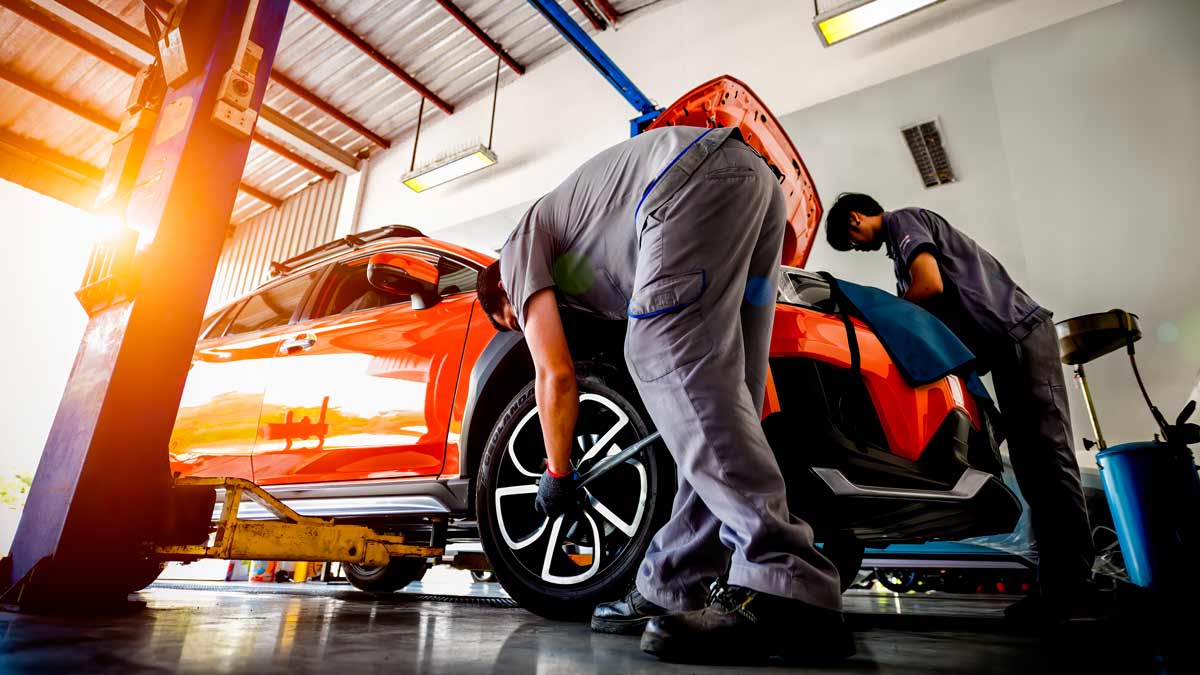
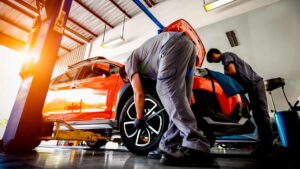
While many maintenance tasks can be performed at home, it’s crucial to have your vehicle inspected by a professional mechanic at regular intervals.
Professional servicing can identify potential issues that may not be apparent during routine checks and ensure that your car remains in top condition.
Conclusion
Regular maintenance is key to ensuring your car performs optimally and remains reliable over time.
By following this essential car service checklist, you can identify and address potential issues before they become major problems,
extend the lifespan of your vehicle, and enjoy a safer, more efficient driving experience.
Remember, a well-maintained car not only saves you money on repairs but also provides peace of mind on the road.
#ChatGPT assisted in the creation of this article.




Post Comment