Essential Guide to Timing Belt Replacement Costs
Timing Belt Replacement
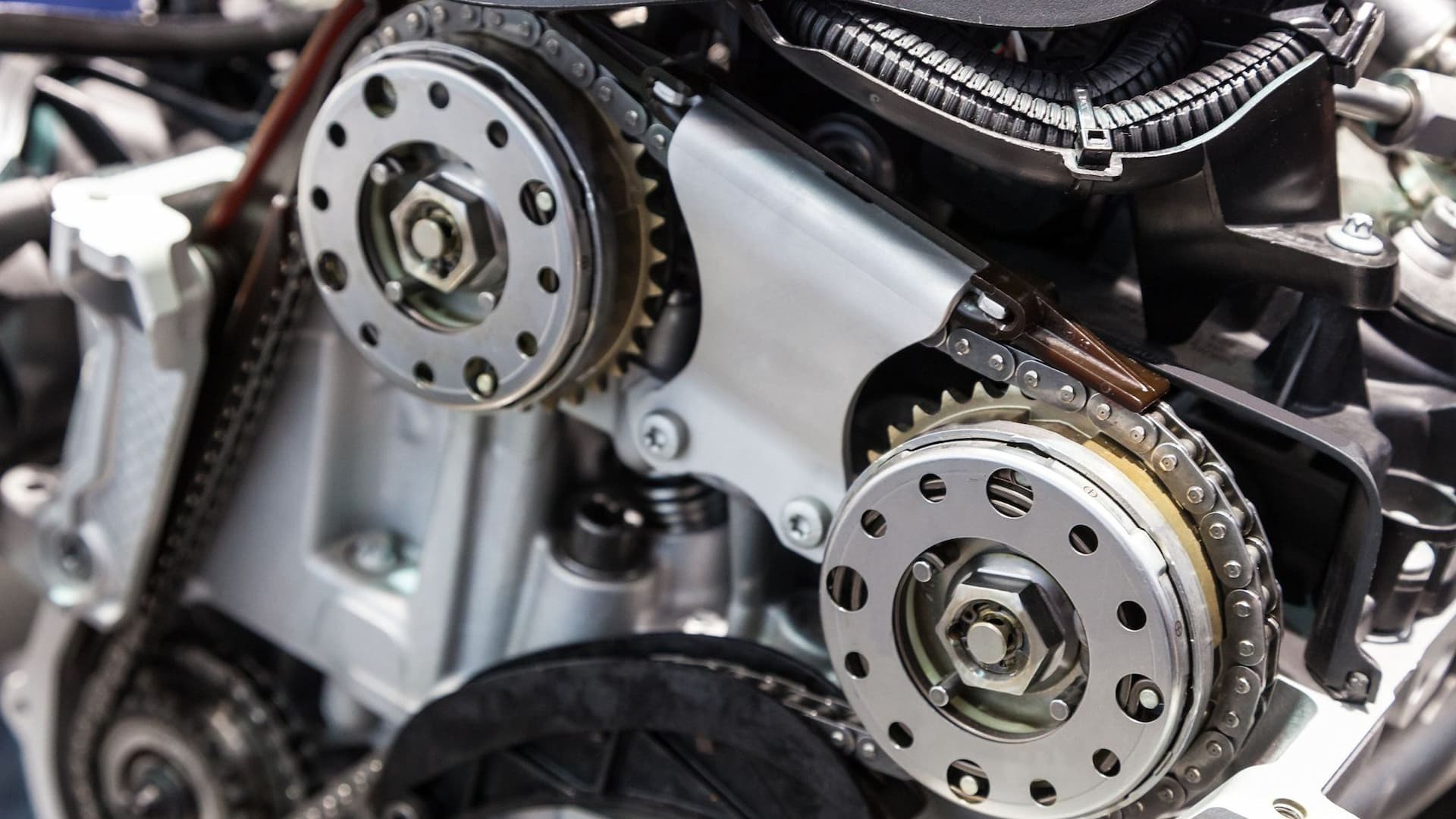
The timing belt is a crucial component of your vehicle’s engine, responsible for synchronizing the camshaft and crankshaft rotation to ensure that the engine’s valves open and close at the correct times during each cylinder’s intake and exhaust strokes. A failure in the timing belt can lead to catastrophic engine damage, which is why understanding the replacement process and associated costs is essential for any vehicle owner.
Understanding the Timing Belt
Before diving into the costs of replacing a timing belt, it’s important to understand its purpose and function within your vehicle. The timing belt is typically made from high-quality rubber with nylon-reinforced cords and is designed to withstand significant wear and tear. However, like all components, it has a finite lifespan and will eventually need replacement.
The Role of the Timing Belt
The primary role of the timing belt is to maintain the precise timing of your engine’s camshaft and crankshaft. This synchronization is vital for ensuring that the engine’s valves open and close at the correct times, facilitating optimal engine performance and efficiency. In some engines, the timing belt also drives the water pump, which is important for engine cooling.
When to Replace the Timing Belt
Most manufacturers recommend replacing the timing belt every 60,000 to 100,000 miles, although this can vary depending on the make and model of the vehicle. It’s crucial to follow the manufacturer’s guidelines to prevent the belt from breaking unexpectedly, which can cause severe engine damage.
Factors Influencing Timing Belt Replacement Costs
Several factors can influence the cost of timing belt replacement, including the make and model of your vehicle, labor costs, and whether additional components need replacement.
Make and Model of the Vehicle
The cost of replacing a timing belt can vary significantly between different vehicles. Luxury or high-performance vehicles often have more complex engine designs, which can make the replacement process more labor-intensive and costly. In contrast, common vehicles with simpler engine designs may incur lower replacement costs.
Labor Costs
Labor costs are a significant component of timing belt replacement expenses. The process typically requires several hours of work as it involves removing various engine components to access the belt. Labor rates can vary based on location and the specific repair shop, with dealerships generally charging higher rates than independent mechanics.
Additional Component Replacement
In many cases, it’s advisable to replace additional components alongside the timing belt, such as the water pump, tensioner, and idler pulleys. These components have similar lifespans to the timing belt and can cause issues if they fail shortly after a timing belt replacement. Replacing them simultaneously can save on labor costs in the long run.
Estimating Timing Belt Replacement Costs
The cost of replacing a timing belt can range from $300 to $1,500 or more, depending on the factors mentioned above. To provide a more detailed estimate, let’s break down the costs by vehicle type and additional components.
Economy and Mid-Range Vehicles
For economy and mid-range vehicles, timing belt replacement costs typically range from $300 to $800. This estimate includes both parts and labor. Labor costs for these vehicles are generally lower due to simpler engine designs and easier access to the timing belt.
Luxury and High-Performance Vehicles
Luxury and high-performance vehicles often incur higher timing belt replacement costs, ranging from $700 to $1,500 or more. These vehicles may have more complex engine designs and require specialized knowledge, leading to higher labor costs. Additionally, parts for luxury vehicles are often more expensive.
Replacing Additional Components
When replacing a timing belt, consider replacing the water pump, tensioner, and idler pulleys as well. The cost of these additional components can add $100 to $300 to the overall replacement cost. However, this can be a worthwhile investment to avoid future labor costs if these parts fail shortly after the timing belt is replaced.
DIY Timing Belt Replacement: Pros and Cons
Some car enthusiasts may consider replacing the timing belt themselves to save on labor costs. While this is possible, it’s important to weigh the pros and cons before embarking on a DIY project.
Pros of DIY Replacement
– **Cost Savings**: The most significant advantage of a DIY timing belt replacement is the potential for cost savings. By eliminating labor costs, you can significantly reduce the overall expense.
– **Learning Experience**: For those interested in automotive repair, replacing a timing belt can be a valuable learning experience and an opportunity to gain hands-on skills.
Cons of DIY Replacement
– **Complexity**: Timing belt replacement is a complex task that requires specific tools and a thorough understanding of your vehicle’s engine. Mistakes can lead to engine damage, making it a risky endeavor for inexperienced individuals.
– **Time-Consuming**: The process can be time-consuming, especially for beginners. It may take several hours or even days to complete, depending on your skill level and the complexity of the engine.
– **Potential for Error**: Incorrect installation of the timing belt can result in serious engine damage. It’s crucial to follow the manufacturer’s instructions precisely and double-check your work.
Tips for Reducing Timing Belt Replacement Costs
If you’re looking to save on timing belt replacement costs, consider the following tips:
Shop Around for Quotes
Get quotes from multiple repair shops to find the most competitive pricing. Don’t hesitate to ask for itemized estimates to understand the breakdown of costs.
Consider Independent Repair Shops
Independent repair shops often offer more competitive pricing than dealerships while providing quality service. Look for reputable shops with positive reviews and experienced technicians.
Bundle Repairs
If your vehicle requires other maintenance or repairs, consider bundling them with the timing belt replacement. This can save on labor costs and make the overall process more efficient.
Conclusion
Timing belt replacement is a critical aspect of vehicle maintenance that should not be overlooked. By understanding the factors that influence replacement costs and exploring options for cost savings, you can ensure your vehicle remains in optimal condition without breaking the bank. Whether you choose to have a professional handle the replacement or tackle it yourself, the key is to prioritize the longevity and performance of your engine.








Post Comment