Essential Tips for Effective Basic Car Maintenance
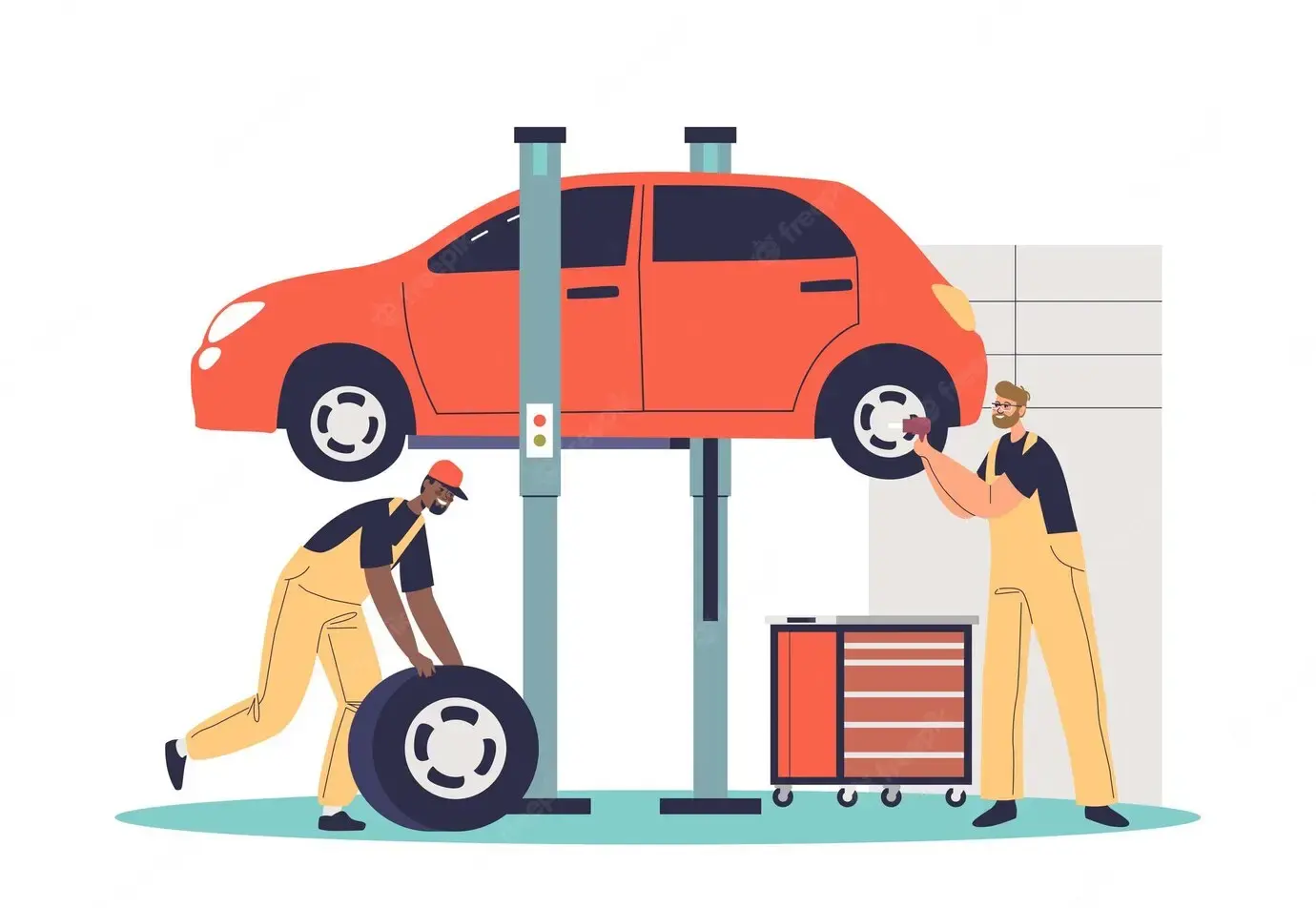
Owning a car comes with the responsibility of ensuring it remains in good working condition. Effective basic car maintenance is crucial not only for the longevity of the vehicle but also for the safety of its occupants. Regular maintenance can prevent costly repairs and enhance the performance of your car. This article provides essential tips for basic car maintenance that every car owner should know.
Check and Change the Oil Regularly
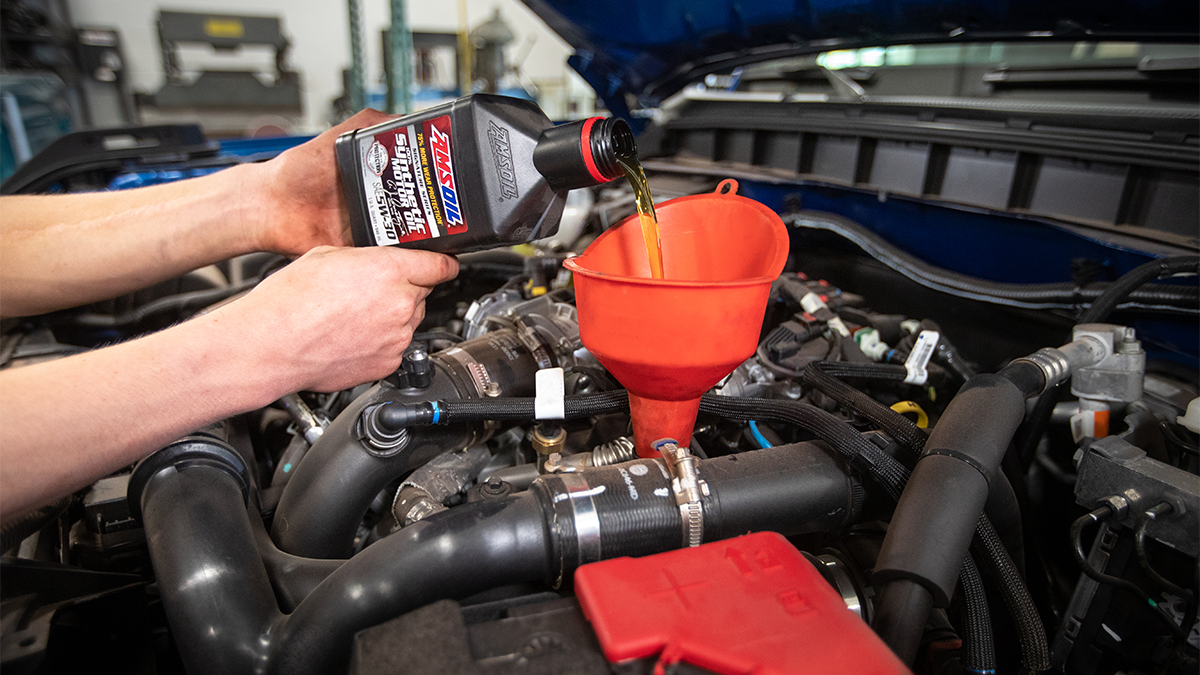
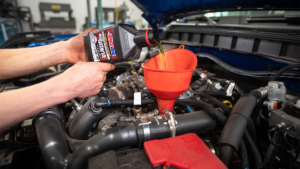
One of the most critical aspects of car maintenance is monitoring and changing the engine oil. Oil lubricates the engine’s moving parts, reducing friction and preventing overheating. Over time, oil breaks down and becomes less effective, potentially causing engine damage. Check your car’s oil level at least once a month and before long trips. To check the oil, park on a level surface, turn off the engine and let it cool, and use the dipstick to assess the oil level and condition. Change the oil according to the manufacturer’s recommendations, typically every 3,000 to 5,000 miles.
Inspect the Tires
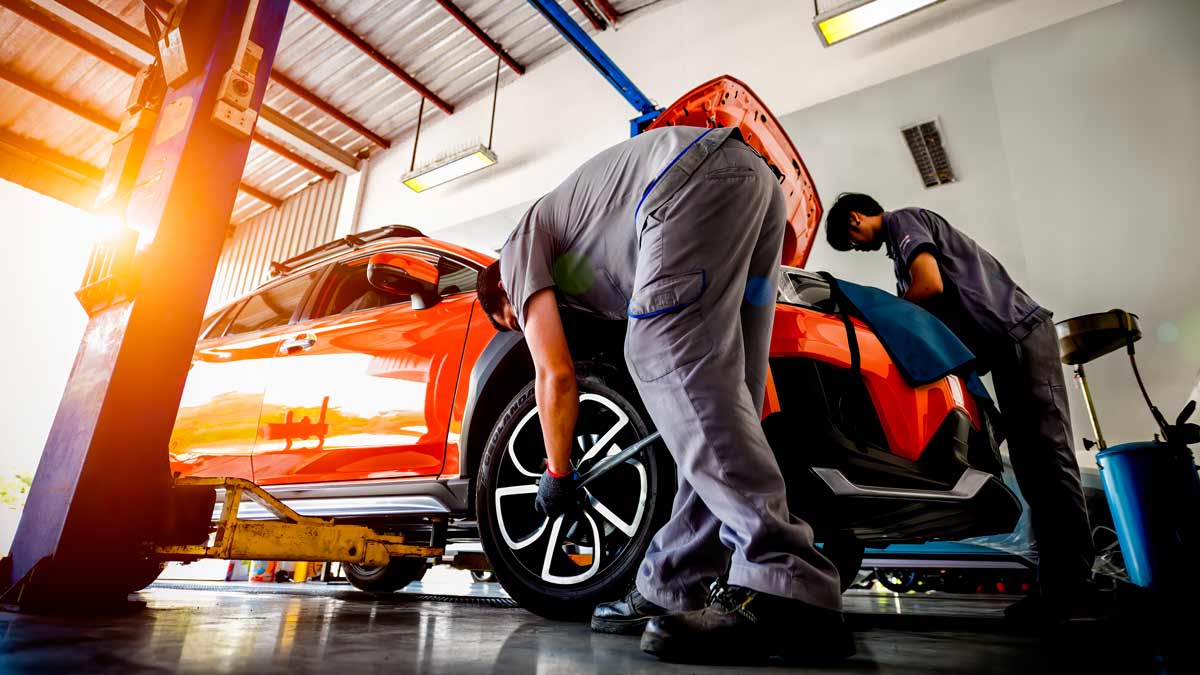
Tires are the only contact point between your car and the road, making their maintenance crucial. Regularly inspect your tires for wear and tear, and ensure they are inflated to the recommended pressure. Properly inflated tires improve fuel efficiency, handling, and safety. Additionally, rotate your tires every 6,000 to 8,000 miles to ensure even wear. Don’t forget to check the tire tread depth; if the tread is worn out, replace the tires to maintain adequate traction, especially in wet or slippery conditions.
Check the Brakes
Your car’s braking system is vital for safety. Regularly check the brake pads and rotors for wear. If you hear a squealing or grinding noise when braking, it may be time to replace the brake pads. Also, pay attention to the brake fluid level. Low brake fluid can affect braking performance, leading to unsafe driving conditions. Consult your car’s manual for the recommended brake fluid type and change intervals.
Maintain the Battery
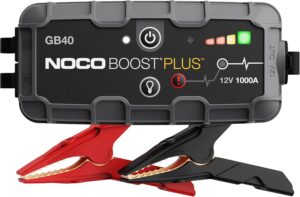
A car battery provides the electrical energy needed to start the engine and power electronic components. To ensure your battery is in good condition, clean the terminals regularly to prevent corrosion, which can impede electrical conductivity. Check the battery’s charge using a multimeter, especially before long trips or during extreme weather conditions. Most car batteries last between three to five years, so consider replacing your battery if it’s approaching the end of its lifespan.
Replace the Air Filter
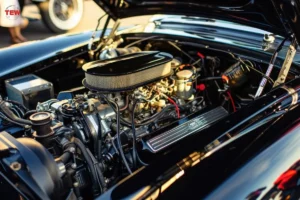
The air filter prevents dirt and debris from entering the engine, ensuring optimal performance and fuel efficiency. Over time, the air filter can become clogged, restricting airflow and reducing engine power. Check your air filter every 12,000 to 15,000 miles and replace it if it appears dirty or clogged. A clean air filter can improve acceleration and overall engine performance.
Monitor Fluid Levels
Besides engine oil, your car relies on several other fluids, including coolant, transmission fluid, power steering fluid, and windshield washer fluid. Regularly check these fluid levels and top them off as needed. Low fluid levels can lead to overheating, transmission problems, steering difficulties, and poor visibility. Consult your car’s manual for guidance on checking and adding fluids.
Check the Lights
Functioning lights are essential for safe driving, especially at night or in adverse weather conditions. Regularly inspect all exterior lights, including headlights, taillights, brake lights, and turn signals. Replace any burnt-out bulbs promptly. Additionally, clean the light covers to ensure maximum visibility. If your headlights appear dim, consider replacing the bulbs or cleaning the lenses.
Inspect the Belts and Hoses
Belts and hoses play an essential role in your car’s operation, driving components like the alternator, water pump, and air conditioning compressor. Over time, belts can become cracked or frayed, and hoses can develop leaks. Regularly inspect these components for signs of wear or damage. If you notice any issues, have them replaced to prevent more significant problems, such as engine overheating or loss of power steering.
Keep It Clean
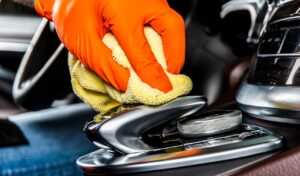
Keeping your car clean is not just about aesthetics; it’s also about maintaining its value and preventing damage. Regularly wash your car to remove dirt, grime, and road salt, which can cause rust and corrosion. Clean the interior to remove dust and debris, which can lead to wear and tear on upholstery and surfaces. Additionally, consider waxing your car every six months to protect the paint and give it a shiny finish.
Follow the Maintenance Schedule
Your car’s manufacturer provides a recommended maintenance schedule, which outlines when specific services should be performed. Adhering to this schedule ensures your car remains in peak condition and reduces the risk of unexpected breakdowns. The schedule typically includes oil changes, tire rotations, brake inspections, and more. Following these guidelines can also help maintain your car’s warranty and resale value.
Conclusion
Effective basic car maintenance is essential for the longevity and performance of your vehicle. By regularly checking and maintaining key components such as oil, tires, brakes, and fluids, you can prevent costly repairs and ensure a safe and enjoyable driving experience. Remember to follow your car’s maintenance schedule and consult your owner’s manual for specific recommendations. With these essential tips, you can keep your car running smoothly for years to come.



Post Comment