Essential Tips for Optimal Car Engine Maintenance

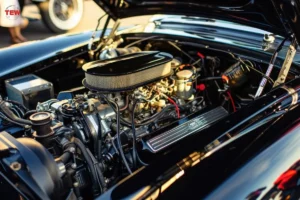
The engine is the heart of your car, and its performance is crucial for the overall health of your vehicle. Regular maintenance not only enhances the longevity of your engine but also improves fuel efficiency and reduces the likelihood of unexpected breakdowns. This article provides a comprehensive guide to essential tips for optimal car engine maintenance, ensuring your car runs smoothly and efficiently for years to come.
Regular Oil Changes
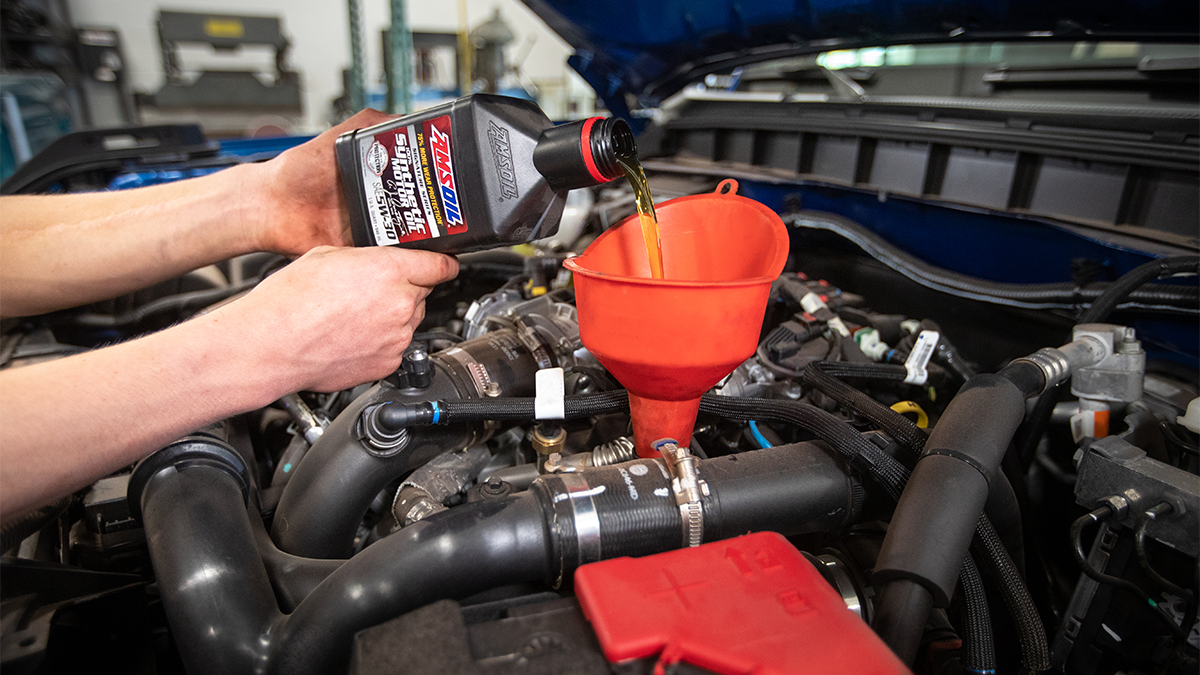
Oil is the lifeblood of your engine, playing a pivotal role in lubricating moving parts, reducing friction, and preventing overheating. Over time, engine oil degrades and becomes contaminated with dirt and debris, which can lead to increased engine wear. To maintain optimal engine performance, adhere to your vehicle manufacturer’s recommended oil change intervals, typically every 3,000 to 5,000 miles. Always use the correct grade of oil specified in your vehicle’s manual, as using the wrong type can adversely affect engine performance.
Check and Replace Air Filters
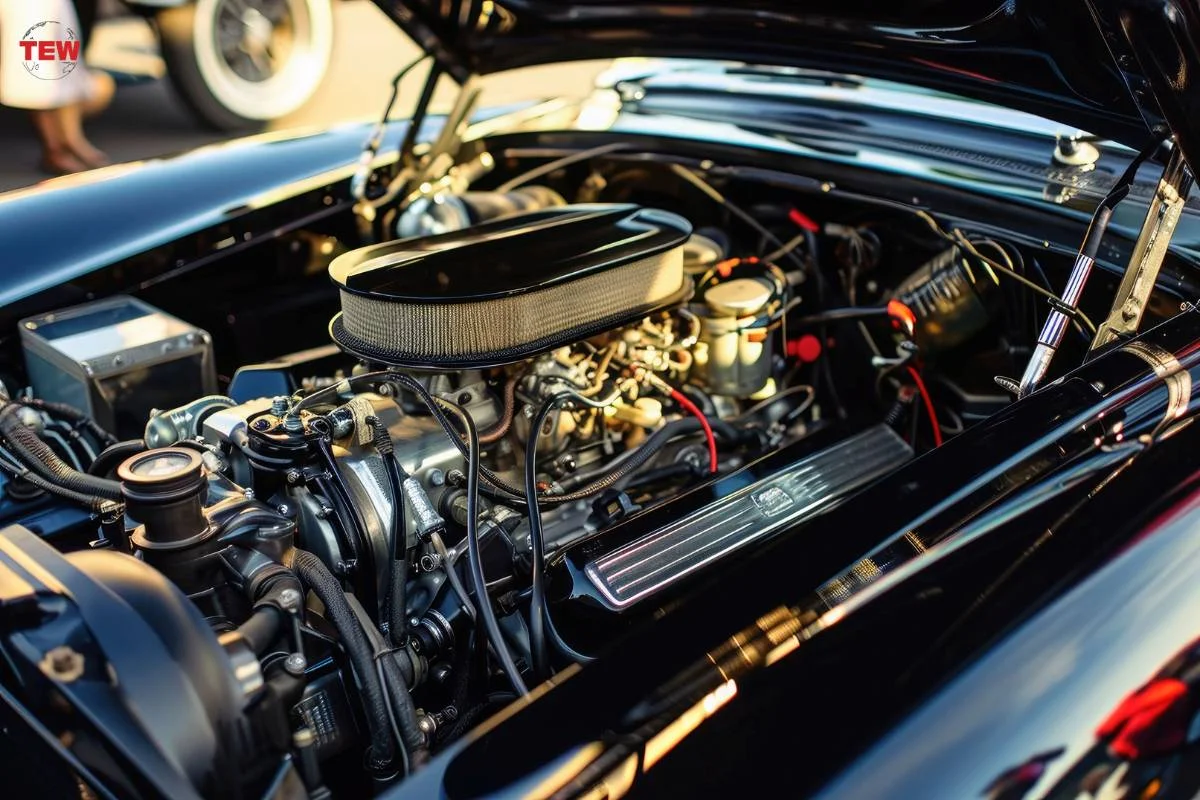
Air filters prevent dirt, dust, and other contaminants from entering the engine, ensuring a clean air supply for the combustion process. A clogged air filter can restrict airflow, leading to reduced performance and fuel efficiency. Inspect your air filter regularly and replace it as needed, typically every 12,000 to 15,000 miles. A clean air filter can improve acceleration and help your engine breathe more easily.
Inspect and Maintain the Cooling System
The cooling system is essential for regulating engine temperature and preventing overheating. Regularly check coolant levels and top up with the appropriate mixture of antifreeze and water. Inspect the radiator, hoses, and connections for leaks, cracks, or signs of wear. Flushing the cooling system every 30,000 miles or as recommended in your owner’s manual will help remove rust, scale, and other deposits that can impede performance.
Monitor and Maintain the Fuel System
The fuel system supplies the engine with the necessary amount of fuel for combustion. Over time, fuel injectors can become clogged, leading to poor fuel economy and performance issues. Use a fuel system cleaner periodically to remove deposits and maintain efficient fuel flow. Additionally, replace the fuel filter as recommended by the manufacturer to prevent contaminants from reaching the engine.
Check Spark Plugs and Ignition System
Spark plugs are crucial for igniting the air-fuel mixture in the engine’s cylinders. Worn or fouled spark plugs can lead to misfires, reduced fuel efficiency, and poor performance. Inspect spark plugs regularly and replace them according to the manufacturer’s guidelines, usually every 30,000 miles or as needed. Additionally, ensure the ignition system components, such as ignition coils and wires, are in good condition to maintain a reliable spark.
Maintain the Timing Belt or Chain
The timing belt or chain synchronizes the rotation of the crankshaft and camshaft, ensuring proper timing of the engine’s valves. A worn or broken timing belt can cause significant engine damage. Inspect the timing belt for signs of wear, such as cracks or fraying, and replace it as recommended by the manufacturer, typically between 60,000 to 100,000 miles. If your vehicle uses a timing chain, ensure it is properly lubricated and tensioned.
Regularly Inspect and Replace Belts and Hoses
Belts and hoses are essential for the proper operation of various engine components, such as the alternator, water pump, and air conditioning compressor. Over time, belts can become cracked or glazed, and hoses can develop leaks or become brittle. Regularly inspect these components for signs of wear and replace them as needed to prevent potential failures that could lead to engine overheating or loss of power.
Keep an Eye on Engine Diagnostics
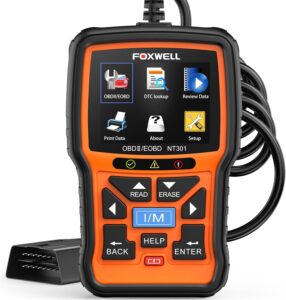
Modern vehicles are equipped with onboard diagnostics systems that monitor engine performance and alert you to potential issues. If the check engine light illuminates, use an OBD-II scanner to retrieve diagnostic trouble codes and address any underlying problems promptly. Ignoring warning lights could lead to more severe engine damage and costly repairs.
Regularly Check Fluid Levels
In addition to engine oil and coolant, other vital fluids include transmission fluid, brake fluid, and power steering fluid. Regularly check these fluid levels and top up as necessary. Low fluid levels can lead to poor performance and potential damage to the vehicle’s systems. Regular fluid checks are a simple yet effective way to ensure your engine runs smoothly.
Drive Responsibly
Your driving habits can significantly impact engine health. Avoid harsh acceleration and sudden braking, which can put unnecessary strain on the engine and other components. Allow your engine to warm up before driving, especially in cold weather, to ensure proper lubrication. Additionally, avoid excessive idling, which can lead to carbon buildup in the engine.
Schedule Regular Professional Inspections
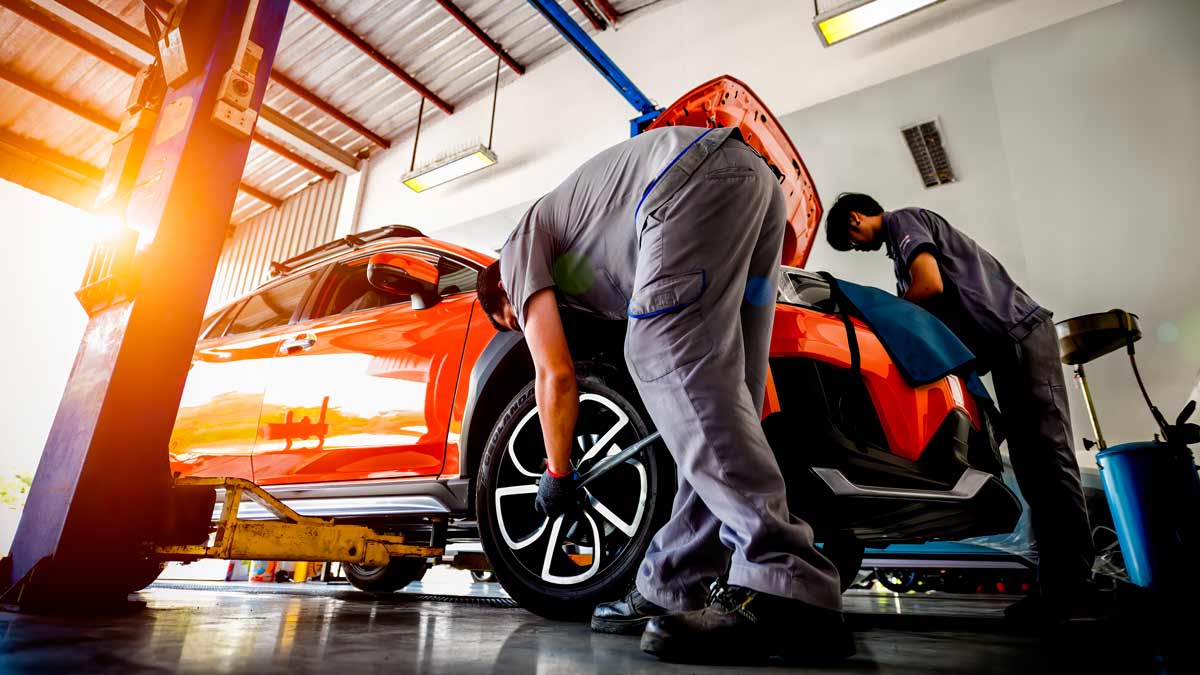
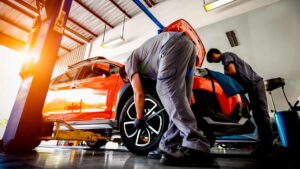
While many maintenance tasks can be performed by car owners, scheduling regular inspections with a professional mechanic is essential for optimal engine performance. A mechanic can identify potential issues that may not be apparent during routine checks and provide expert advice on maintaining your engine. Consider an annual inspection to ensure all engine components are in good condition.
Conclusion
Optimal car engine maintenance is crucial for ensuring the longevity and reliability of your vehicle. By following these essential tips, you can enhance engine performance, improve fuel efficiency, and reduce the risk of costly repairs. Regular maintenance, attentive driving habits, and professional inspections will keep your engine running smoothly and efficiently, allowing you to enjoy a dependable and enjoyable driving experience.
#ChatGPT assisted in the creation of this article.




Post Comment