Extend Your Car’s Life with These Longevity Tips
Your car is more than just a mode of transportation; it’s an investment that, with proper care, can provide you with years of reliable service. Extending the life of your vehicle not only saves you money in the long run but also ensures your safety on the road. Whether you drive a brand-new car or an older model, following these comprehensive longevity tips can help you keep your car running smoothly for many years to come.
Regular Maintenance is Key
Regular maintenance is the cornerstone of extending your car’s lifespan. Here’s what you need to keep in mind:
Follow the Manufacturer’s Maintenance Schedule
Every car comes with a manufacturer’s maintenance schedule, usually found in the owner’s manual. This schedule outlines when to perform essential services like oil changes, tire rotations, and brake inspections. Adhering to this schedule is crucial as it is tailored to your specific vehicle’s needs.
Regular Oil Changes
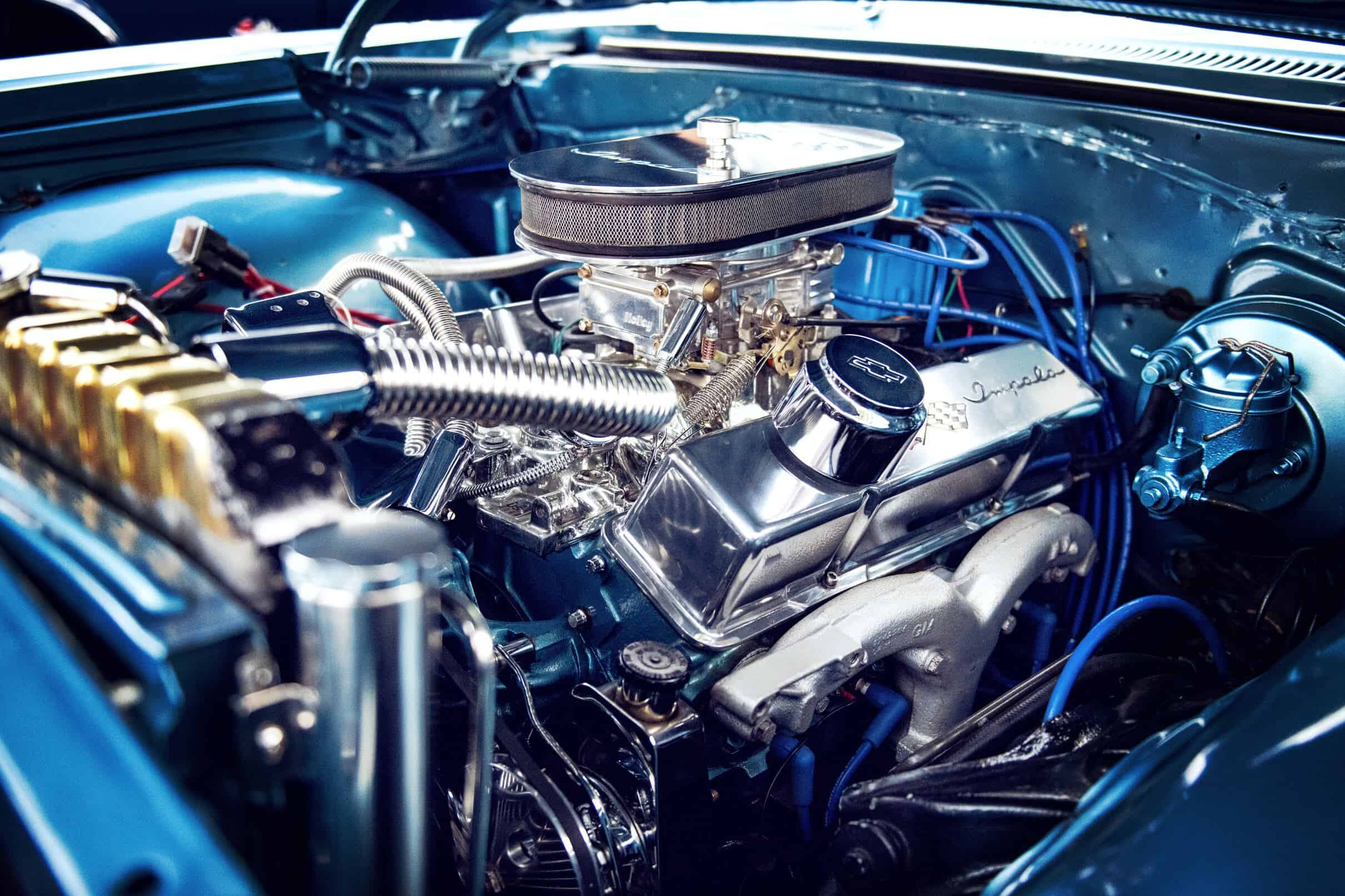
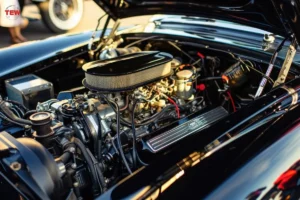
Oil is the lifeblood of your engine, and regular oil changes are essential for keeping it running smoothly. Depending on your vehicle and the type of oil used, aim for an oil change every 3,000 to 7,500 miles. Fresh oil reduces friction, minimizes wear, and helps cool engine components.
Inspect and Replace Fluids
Your car relies on various fluids for optimal performance, including coolant, brake fluid, transmission fluid, and power steering fluid. Regularly check these fluids and top them off or replace them as needed. Low or dirty fluids can lead to serious mechanical issues over time.
Pay Attention to Warning Signs
Ignoring warning signs can lead to costly repairs and reduce your car’s lifespan. Here are common signs to watch for:
Unusual Noises
Strange noises, such as squealing brakes or knocking sounds from the engine, can indicate potential problems. Addressing these noises early can prevent minor issues from becoming major repairs.
Dashboard Warning Lights
Modern vehicles are equipped with sophisticated diagnostic systems that alert you to issues through dashboard warning lights. Never ignore these lights; they provide vital information about your car’s health. If a warning light appears, consult your owner’s manual and have the issue checked by a professional.
Keep Your Car Clean
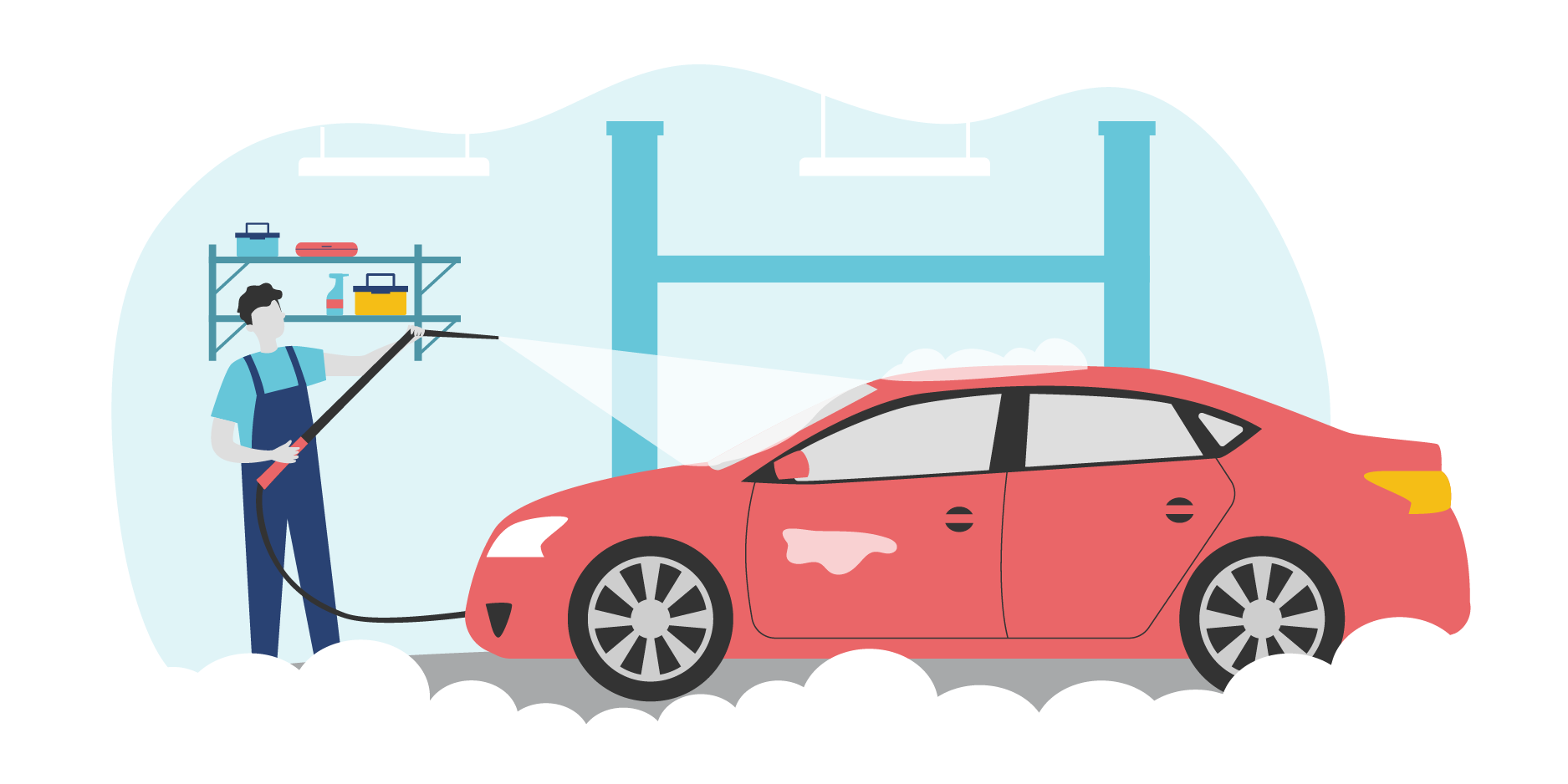
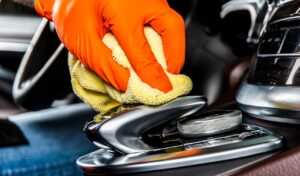
Keeping your car clean goes beyond aesthetics; it also plays a role in prolonging its life.
Regular Washes
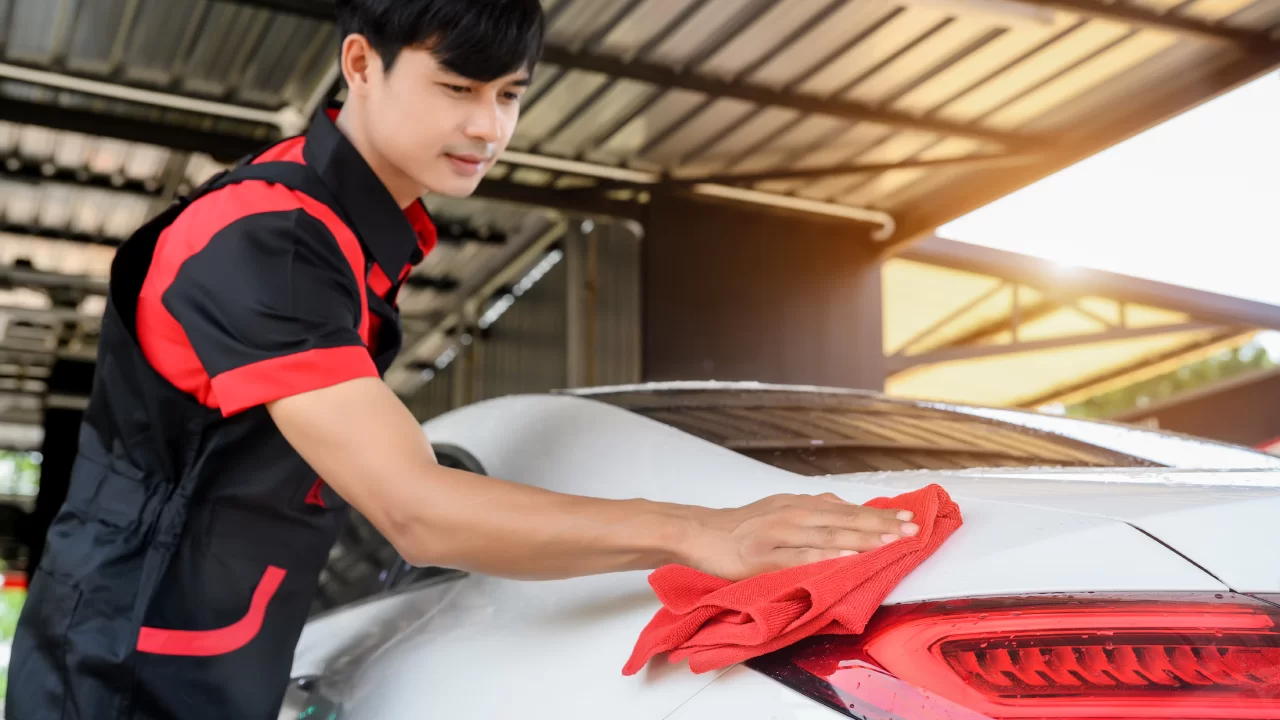
Washing your car regularly removes dirt, grime, and road salt that can cause corrosion and rust. Pay special attention to the undercarriage, where salt and debris often accumulate, especially if you live in a region with harsh winters.
Waxing and Polishing
Waxing your car every few months protects the paint from UV rays, pollutants, and moisture. A good wax job can also make future cleanings easier. Polishing helps remove minor scratches and maintains the car’s shine.
Drive Smart
How you drive significantly impacts your car’s longevity. Consider these tips:
Avoid Aggressive Driving
Aggressive driving, such as rapid acceleration and hard braking, places unnecessary stress on your vehicle’s components. It leads to faster wear and tear on the engine, brakes, and tires. Drive smoothly and anticipate traffic conditions to extend your car’s life.
Warm Up Your Engine
In colder climates, give your engine a few minutes to warm up before driving. This allows the oil to circulate and lubricate the engine’s parts properly, reducing wear and tear.
Don’t Overload Your Vehicle
Every vehicle has a maximum load capacity. Overloading your car puts additional strain on the engine, suspension, and brakes, leading to premature wear. Be mindful of how much weight your vehicle carries.
Tire Care
Tires are critical to your car’s performance and safety. Proper tire care can extend their life and improve fuel efficiency.
Maintain Proper Tire Pressure
Check your tire pressure regularly and keep it at the recommended level, usually found in the owner’s manual or on a sticker inside the driver’s door. Properly inflated tires improve fuel efficiency and reduce the risk of blowouts.
Rotate Your Tires
Rotating your tires every 5,000 to 7,500 miles promotes even wear and extends their lifespan. Regular rotations ensure that all tires wear evenly, which is crucial for maintaining handling and safety.
Check Tire Tread
Inspect your tire tread regularly for signs of wear. Uneven or excessive tread wear can affect traction and handling. Replace tires with worn tread to maintain safety and performance.
Protect Your Car from the Elements
Exposure to the elements can take a toll on your car over time. Here’s how to protect it:
Use a Car Cover
If you don’t have a garage, consider using a car cover to protect your vehicle from the sun, rain, and snow. A cover can prevent UV damage, paint fading, and rust formation.
Park in the Shade
Whenever possible, park your car in the shade to protect it from the sun’s harmful UV rays. Excessive sun exposure can damage your car’s paint and interior materials.
Invest in Quality Parts and Repairs
When repairs or replacements are necessary, invest in quality parts and professional service.
Use OEM Parts
Original Equipment Manufacturer (OEM) parts are designed specifically for your vehicle, ensuring a perfect fit and optimal performance. While aftermarket parts may be cheaper, OEM parts often provide better reliability and longevity.
Choose a Reputable Mechanic
Find a trustworthy mechanic with experience in servicing your type of vehicle. A skilled technician can diagnose issues accurately and perform repairs that extend your car’s life.
Conclusion
Extending your car’s life requires a combination of regular maintenance, smart driving habits, and attentive care. By following these longevity tips, you can enjoy a reliable and efficient vehicle for many years, saving you money and reducing the environmental impact of frequent replacements. Remember, a well-maintained car is not only a pleasure to drive but also a testament to your commitment to safety and responsibility on the road.
#ChatGPT assisted in the creation of this article.






Post Comment