Master Automotive Troubleshooting for Optimal Performance

In the world of automotive maintenance, troubleshooting is a critical skill for ensuring both safety and optimal vehicle performance. With the complexity of modern vehicles, which are equipped with an array of electronic systems and components, understanding how to diagnose issues efficiently has never been more important. This article provides an in-depth guide on mastering automotive troubleshooting, focusing on strategies and techniques to enhance overall vehicle performance.
Understanding the Basics of Automotive Troubleshooting
Automotive troubleshooting is the process of diagnosing and identifying problems within a vehicle’s systems. It involves a methodical approach to pinpoint the root cause of issues, be they mechanical, electrical, or software-related. Mastering this skill requires a blend of knowledge, experience, and the right set of tools.
Key Components of Automotive Systems
Before delving into troubleshooting, it’s essential to understand the key components of automotive systems. These include:
- Engine: The heart of the vehicle, responsible for converting fuel into motion.
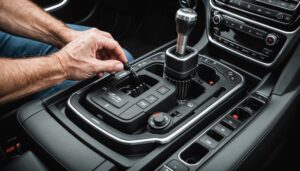
- Transmission: Manages power transfer from the engine to the wheels.
- Braking System: Ensures the vehicle can stop safely.
- Electrical System: Powers the vehicle’s electronics, including lights, ignition, and infotainment systems.
- Suspension and Steering: Provides stability and control while driving.
Effective Troubleshooting Techniques
Effective troubleshooting requires a systematic approach to identify and resolve issues efficiently. Here are some essential techniques:
Conducting a Visual Inspection
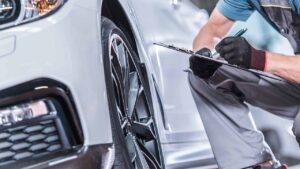
Begin with a thorough visual inspection of the vehicle. Look for obvious signs of wear, damage, or leaks. Pay attention to unusual sounds or smells, as these can often provide clues to underlying issues.
Using Diagnostic Tools
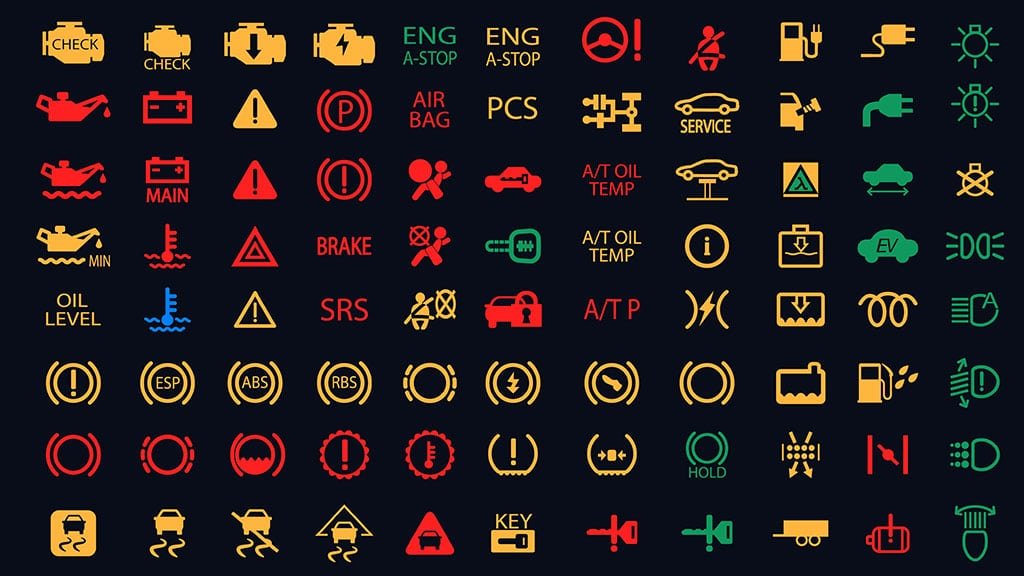
Modern vehicles come equipped with onboard diagnostic systems (OBD) that provide error codes when issues arise. Utilize an OBD scanner to retrieve these codes, which can guide you toward the source of the problem. Understanding these codes is crucial for effective troubleshooting.
Performing a Test Drive
A test drive is an invaluable step in the troubleshooting process. It allows you to experience the problem firsthand and observe how the vehicle behaves under different conditions. Note any unusual vibrations, noises, or performance issues.
Systematic Elimination
When dealing with complex issues, use a process of elimination to narrow down potential causes. Start with the simplest explanations and gradually move to more complex possibilities. This methodical approach helps in isolating the root cause.
Common Automotive Problems and Solutions
Understanding common automotive problems and their solutions is crucial for mastering troubleshooting. Here are some frequently encountered issues:
Engine Misfires
An engine misfire can be caused by several factors, including faulty spark plugs, ignition coils, or fuel injectors. Begin by checking these components and replacing any that are worn or damaged. Ensure that the fuel system is delivering the appropriate amount of fuel.
Transmission Slipping
Transmission slipping can occur due to low transmission fluid, worn-out gears, or a failing clutch. Check the fluid levels and top up if necessary. If the issue persists, inspect the transmission components for wear and tear.
Braking Issues
Braking problems can arise from worn brake pads, damaged rotors, or leaking brake lines. Inspect these components and replace any that show signs of wear. Additionally, ensure that the brake fluid is at the correct level and free of contaminants.
Electrical Failures
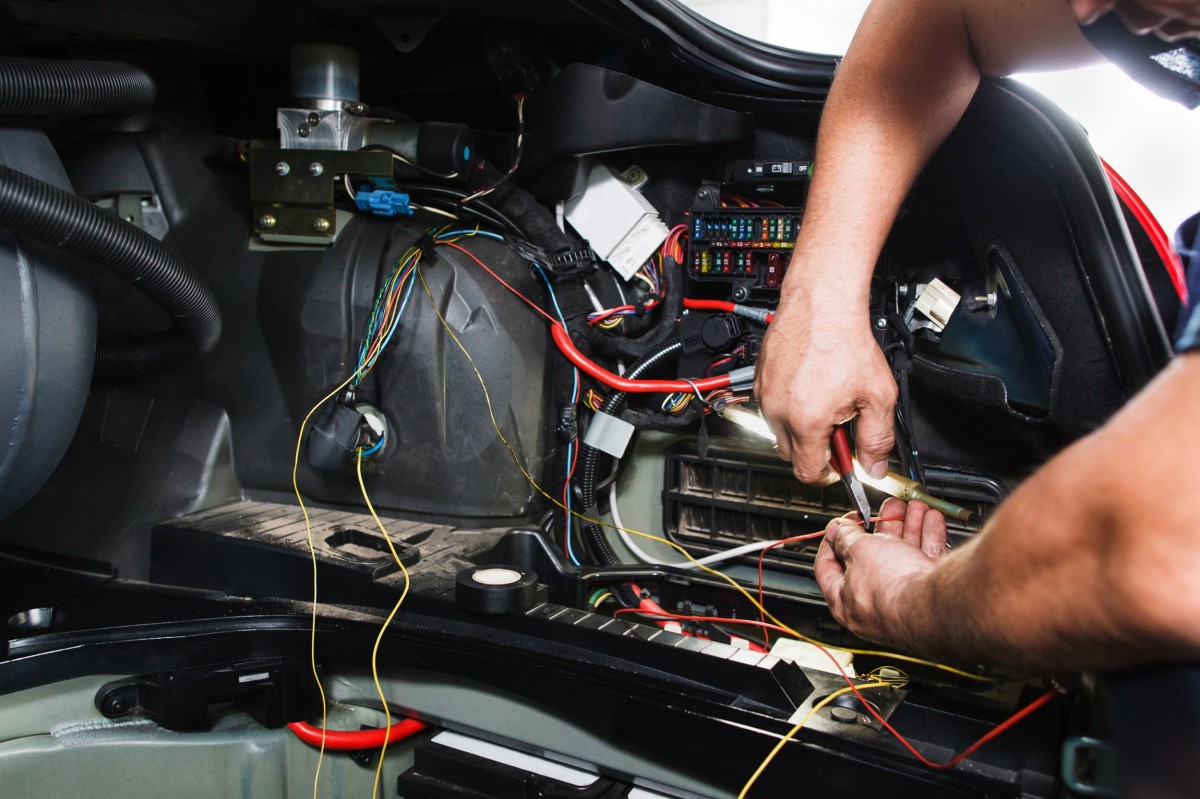
Electrical issues can be challenging to diagnose due to the complexity of modern vehicle electronics. Start by checking the battery and alternator, and ensure all connections are secure. Use a multimeter to test for voltage drops or short circuits.
The Role of Regular Maintenance
Preventive maintenance plays a significant role in minimizing the occurrence of automotive issues and optimizing performance. Adhering to a regular maintenance schedule ensures that all vehicle components are in good working condition.
Scheduled Inspections
Regular inspections allow you to identify potential problems before they escalate. Follow the manufacturer’s recommended service intervals and address any issues promptly.
Fluid Checks and Replacements
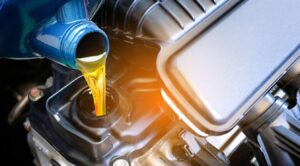
Regularly check and replace engine oil, transmission fluid, brake fluid, and coolant. Maintaining proper fluid levels and quality is essential for optimal vehicle performance.
Tire Maintenance
Proper tire maintenance, including regular rotations and alignment checks, enhances vehicle handling and prolongs tire life. Ensure that tires are inflated to the recommended pressure levels.
Advanced Diagnostic Techniques
For more complex issues, advanced diagnostic techniques may be required. These techniques often involve specialized equipment and expertise:
Oscilloscope Testing
An oscilloscope is a valuable tool for diagnosing electrical issues. It allows you to visualize electrical signals and identify anomalies that may indicate faulty components.
Compression Testing
Compression testing helps identify engine problems related to cylinder pressure. It involves measuring the pressure produced by each cylinder during the engine’s compression stroke.
Smoke Testing
Smoke testing is used to detect vacuum leaks in the engine. It involves introducing smoke into the intake system and observing where it escapes.
Conclusion
Mastering automotive troubleshooting is a vital skill for any car owner or technician. By understanding the basics of vehicle systems, employing effective troubleshooting techniques, and adhering to regular maintenance schedules, you can ensure optimal vehicle performance and longevity. As vehicles continue to evolve, staying informed about the latest diagnostic tools and techniques will be crucial for continued success in automotive troubleshooting.



Post Comment