Master Car Diagnostics: Ultimate Guide for DIY Enthusiasts

The art of car diagnostics has evolved significantly over the years, transitioning from the intuitive feel of seasoned mechanics to advanced computer-aided diagnostics. For the DIY enthusiasts, mastering car diagnostics can be both rewarding and financially beneficial. This guide aims to empower you with the knowledge and tools necessary to diagnose car issues effectively.
Understanding Car Diagnostics
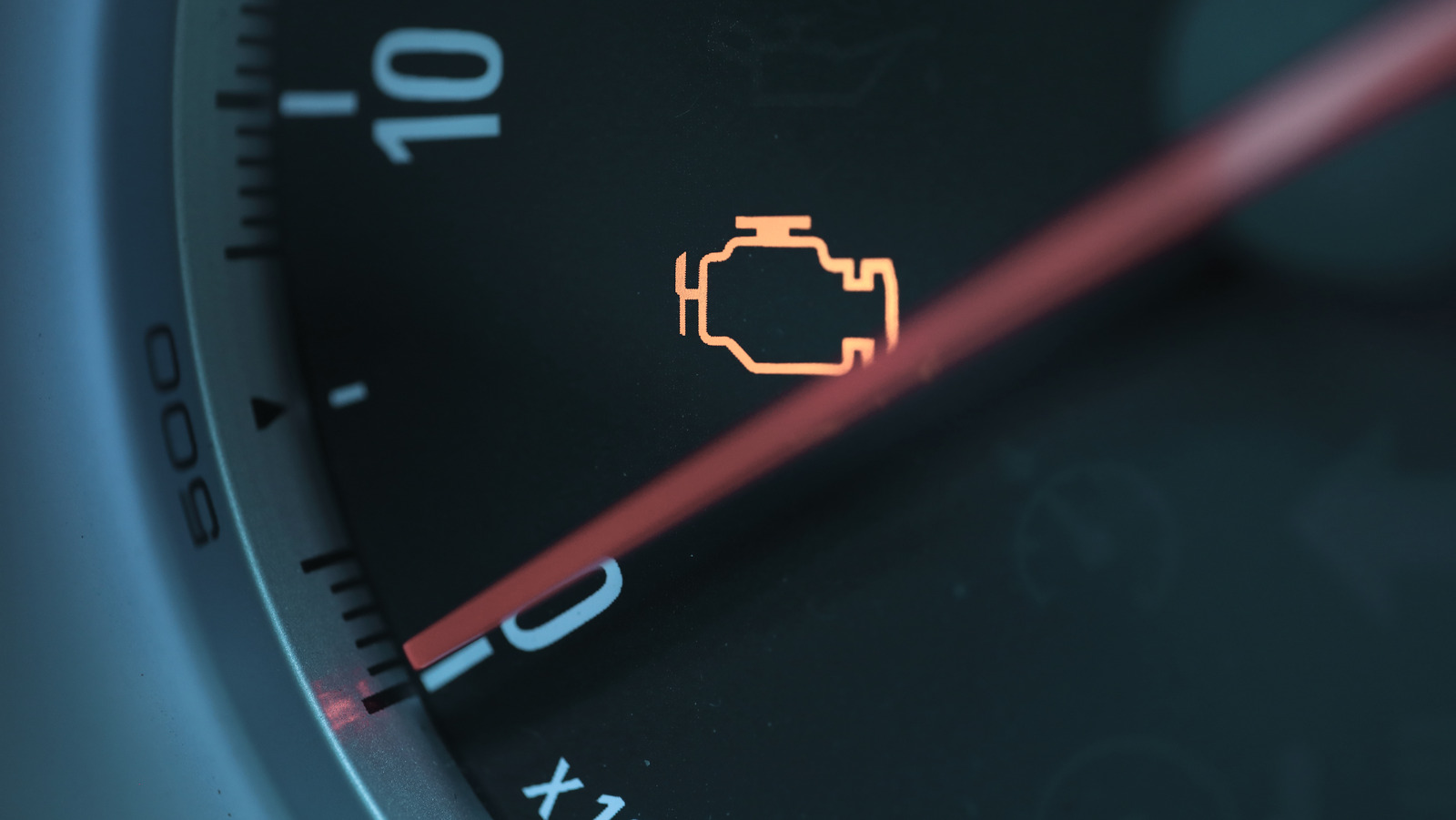
Car diagnostics involves a systematic approach to identifying and resolving issues within a vehicle. Modern cars are equipped with an On-Board Diagnostics (OBD) system, which continuously monitors engine performance and other critical systems. When a problem is detected, the system triggers a warning light, usually the Check Engine light, on the dashboard.
OBD-II System
The OBD-II system, an advanced version of the original OBD, is a standardized system implemented in vehicles manufactured from 1996 onwards. It provides access to various data points, including engine RPM, vehicle speed, and fuel efficiency, allowing for comprehensive diagnostics.
Essential Tools for DIY Diagnostics
Before diving into car diagnostics, it’s crucial to equip yourself with the right tools. Here are some essentials:
OBD-II Scanner
An OBD-II scanner is your primary tool for accessing diagnostic trouble codes (DTCs) stored in the vehicle’s computer. These codes offer insights into specific issues affecting your car. Invest in a quality scanner with live data capabilities for real-time monitoring.
Multimeter
A multimeter is indispensable for electrical diagnostics. It measures voltage, current, and resistance, helping you identify issues with the battery, alternator, and other electrical components.
Basic Hand Tools
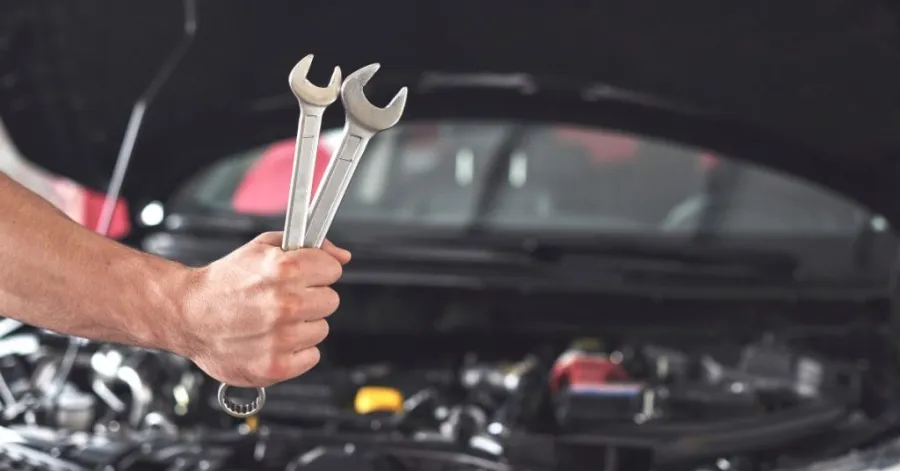
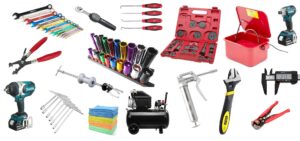
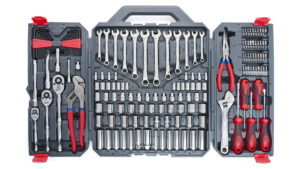
A set of basic hand tools, including wrenches, screwdrivers, and pliers, is essential for performing repairs once you’ve diagnosed the issue.
Step-by-Step Diagnostic Process
A systematic approach is critical in car diagnostics. Here’s a step-by-step guide:
1. Identify Symptoms
Begin by noting any unusual symptoms, such as strange noises, vibrations, or warning lights. This will help you narrow down potential issues.
2. Connect the OBD-II Scanner
Locate the OBD-II port, usually found under the dashboard, and connect your scanner. Retrieve any stored DTCs, which will guide your diagnostic process.
3. Interpret Diagnostic Trouble Codes
Each DTC corresponds to a specific issue. Refer to your scanner’s manual or an online database to interpret these codes. Some common DTCs include:
- P0300: Random/Multiple Cylinder Misfire Detected
- P0420: Catalyst System Efficiency Below Threshold
- P0171: System Too Lean
4. Perform Visual Inspection
Conduct a thorough visual inspection of the vehicle. Look for obvious issues such as loose wires, damaged hoses, or fluid leaks. This step can often reveal the problem without further diagnostics.
5. Conduct Tests
Based on the symptoms and DTCs, perform specific tests to confirm the diagnosis. For example, if you suspect a battery issue, use your multimeter to check voltage levels.
6. Consult Repair Manuals
Consult repair manuals or online resources for guidance on troubleshooting and repairing specific issues. These resources often provide detailed procedures and diagrams.
Common Diagnostic Scenarios
Let’s explore some common car issues and how to diagnose them:
Engine Misfire
An engine misfire can result from various causes, including faulty spark plugs, ignition coils, or fuel injectors. Use your OBD-II scanner to retrieve relevant DTCs, and inspect the ignition and fuel systems for any obvious issues.
Check Engine Light
The Check Engine light is a catch-all indicator for various problems. Use your scanner to retrieve DTCs and narrow down the cause. Common triggers include emissions-related issues, sensor failures, or exhaust leaks.
Battery and Charging System Issues
Battery and charging system problems often manifest as starting difficulties or dimming lights. Use your multimeter to check the battery’s voltage and test the alternator’s output to ensure it’s charging the battery properly.
Advanced Diagnostics Techniques
For more complex issues, consider these advanced diagnostic techniques:
Live Data Monitoring
Many OBD-II scanners offer live data monitoring, allowing you to observe real-time performance metrics. Analyze parameters such as fuel trim, oxygen sensor readings, and coolant temperature to identify anomalies.
Scope Testing
An oscilloscope provides a visual representation of electrical signals, helping diagnose issues in sensors, ignition systems, and more. This tool is invaluable for advanced diagnostics but requires a solid understanding of waveforms.
Safety Precautions
While DIY diagnostics can be rewarding, safety should always be a priority. Follow these precautions:
- Ensure the vehicle is on a level surface and the parking brake is engaged before working on it.
- Wear appropriate personal protective equipment, such as gloves and safety glasses.
- Disconnect the battery when working on electrical components to prevent accidental shocks.
Conclusion
Mastering car diagnostics is a valuable skill for any DIY enthusiast. By understanding the OBD-II system, using the right tools, and following a systematic approach, you can diagnose and resolve car issues with confidence. Remember, while DIY diagnostics can save you money, complex problems may still require professional expertise.
With practice and perseverance, you’ll become proficient in diagnosing and maintaining your vehicle, enhancing both its longevity and your driving experience. Happy diagnosing!




Post Comment