Master Car Fault Diagnosis: Expert Tips Uncovered

Master Car Fault Diagnosis: Expert Tips Uncovered
Diagnosing car faults can sometimes feel like solving a complex puzzle. With vehicles becoming increasingly sophisticated, understanding the intricacies of automotive systems is more crucial than ever. Mastering car fault diagnosis is not just about having the right tools; it’s about combining knowledge, experience, and intuition. This article will delve into expert tips to enhance your troubleshooting prowess, ensuring you can efficiently identify and resolve car issues.
Understanding the Basics of Car Systems
Before diving into diagnostics, it’s essential to have a fundamental understanding of the various car systems. A vehicle comprises multiple interconnected systems, including the engine, transmission, electrical, fuel, exhaust, and cooling systems. Each of these systems plays a critical role in the vehicle’s overall performance. Familiarizing yourself with how these systems function and interact is the first step towards effective fault diagnosis.
Invest in Quality Diagnostic Tools
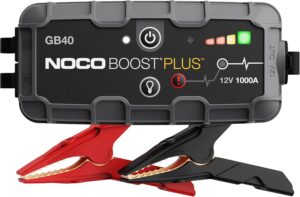
A crucial aspect of mastering car fault diagnosis is having the right tools at your disposal. High-quality diagnostic tools can significantly streamline the troubleshooting process, helping you quickly pinpoint issues. Modern vehicles often come equipped with onboard diagnostics (OBD) systems that provide invaluable data. Investing in a reliable OBD-II scanner will allow you to read error codes and gain insights into the vehicle’s health.
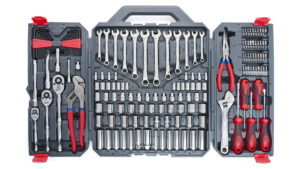
Additionally, multimeters, circuit testers, and pressure gauges are essential tools for diagnosing electrical and mechanical issues. While these tools can be an investment, their ability to save time and prevent misdiagnoses makes them invaluable for any serious automotive enthusiast or professional.
Develop a Methodical Approach
A methodical approach to car fault diagnosis is key to efficiently solving problems. Start by gathering as much information as possible about the issue. Ask the driver questions about the symptoms, when they occur, and any recent changes or repairs. This information can provide crucial clues about the underlying problem.
Next, perform a visual inspection. Check for obvious signs of damage or wear, such as leaks, loose connections, or broken components. A thorough inspection can often reveal the source of the problem or at least narrow down potential causes.
Once you have gathered information and performed an inspection, use your diagnostic tools to gather data. Analyze the data carefully, considering how it correlates with the symptoms and visual inspection findings. This systematic approach helps ensure you don’t overlook any details and can lead to a more accurate diagnosis.
Stay Updated with Latest Technologies
The automotive industry is continuously evolving, with new technologies and systems being introduced regularly. Staying updated with these advancements is essential for effective fault diagnosis. Attend workshops, read industry publications, and participate in online forums to stay informed about the latest trends and diagnostic techniques.
Understanding new technologies, such as hybrid and electric vehicle systems, advanced driver-assistance systems (ADAS), and networked car technologies, is becoming increasingly important. As cars become more sophisticated, the ability to diagnose faults related to these systems will be a valuable skill.
Leverage Online Resources and Communities
The internet is a treasure trove of information and resources for car fault diagnosis. Numerous online communities, forums, and websites are dedicated to troubleshooting car issues. Engaging with these communities can provide valuable insights and solutions from experienced mechanics and enthusiasts worldwide.
Websites like YouTube also offer a wealth of instructional videos on diagnosing and repairing specific car issues. While these resources can be immensely helpful, it’s important to verify the credibility of the information and cross-reference it with other sources.
Understand Common Symptoms and Their Causes
Certain symptoms are commonly associated with specific car faults. Understanding these associations can expedite the diagnostic process. For instance, unusual noises during braking may indicate worn-out brake pads or rotors, while engine misfires could be due to faulty spark plugs or ignition coils.
Other common symptoms and their potential causes include:
– **Engine overheating:** Possible causes include a malfunctioning thermostat, a leaking radiator, or a failing water pump.
– **Loss of power:** This can be caused by issues such as a clogged fuel filter, a failing fuel pump, or a malfunctioning turbocharger.
– **Poor fuel economy:** Potential causes include a dirty air filter, faulty oxygen sensor, or incorrect tire pressure.
By familiarizing yourself with these common symptoms and their potential causes, you can quickly narrow down the possible issues and focus your diagnostic efforts.
Practice Patience and Persistence
Effective car fault diagnosis requires patience and persistence. Some issues may be straightforward to diagnose, while others could be complex and require extensive investigation. It’s important to remain patient and methodical, even when faced with challenging problems.
If you find yourself stuck, take a step back and reassess the situation. Re-evaluate the information you’ve gathered, consult additional resources, or seek input from other professionals. Persistence, combined with a methodical approach, will eventually lead to a solution.
Keep Detailed Records
Maintaining detailed records of diagnostic processes and repairs is a good practice. Documenting the symptoms, diagnostic steps taken, and the eventual solution can be invaluable for future reference. These records can help identify recurring issues and provide a baseline for diagnosing similar problems in the future.
Additionally, sharing your findings and solutions with others can contribute to the collective knowledge of the automotive community. Your experiences could potentially help someone else facing a similar problem.
Conclusion: Becoming a Diagnostic Expert
Mastering car fault diagnosis is a journey that combines technical knowledge, practical experience, and continuous learning. By understanding car systems, investing in quality tools, adopting a methodical approach, and leveraging available resources, you can enhance your diagnostic skills and become proficient in identifying and resolving car issues.
As automotive technology continues to evolve, staying informed and adaptable will be key to remaining effective in diagnosing faults. With patience, persistence, and a commitment to learning, you can uncover the expert tips and techniques needed to excel in car fault diagnosis.








Post Comment