Master DIY Car Repair with These Expert Tips
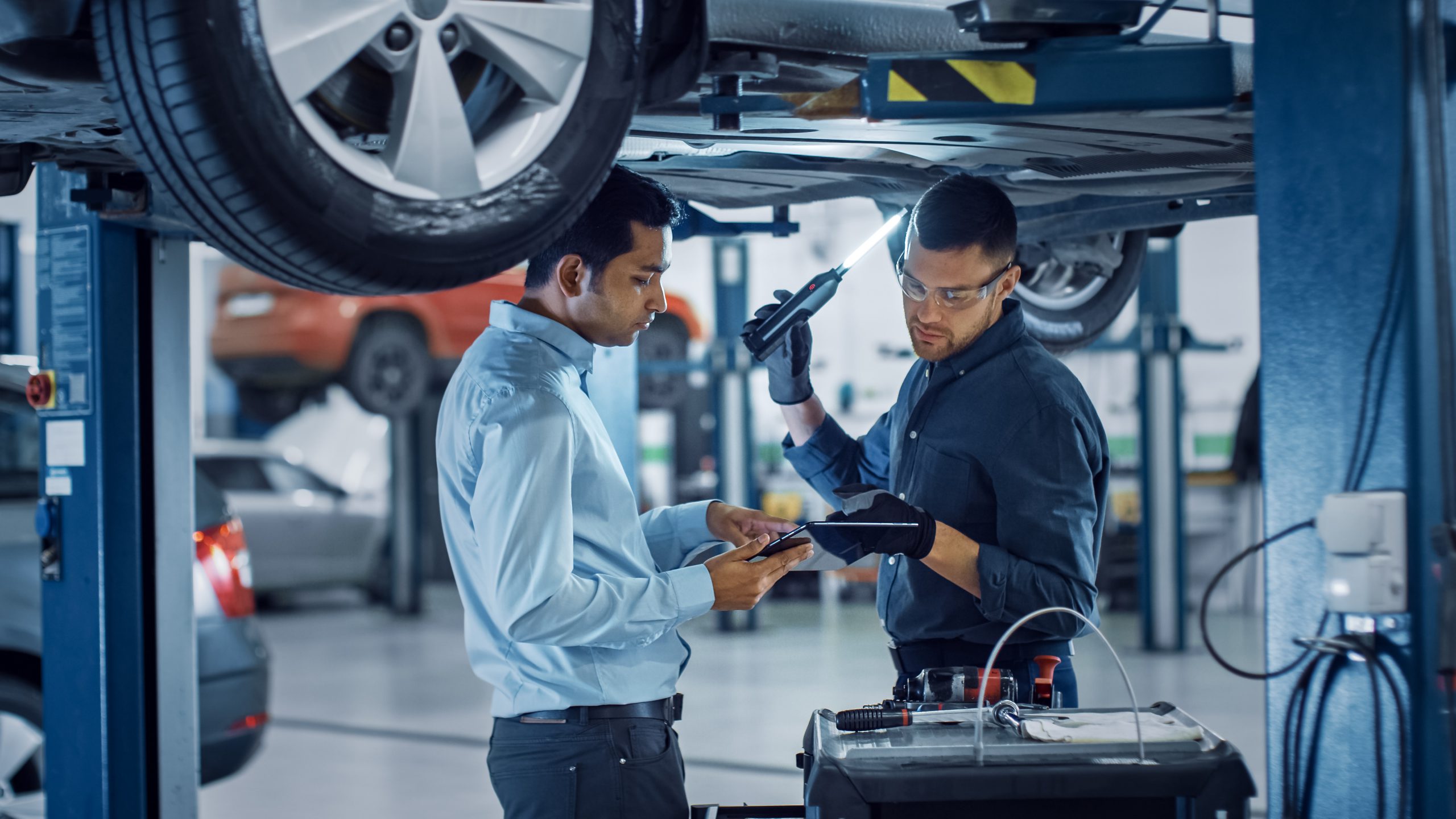
Owning a car is a significant investment, and maintaining it properly can prolong its life and ensure safety. While professional mechanics are always available to assist, mastering some do-it-yourself (DIY) car repair skills can save you time and money. This article provides expert tips to help you become proficient at DIY car repair, allowing you to tackle common issues with confidence.
Understanding Your Vehicle
Before diving into repairs, it’s crucial to understand your vehicle. Familiarize yourself with the owner’s manual, which contains essential information about your car’s components, recommended maintenance schedules, and troubleshooting tips. Knowing your car’s specific needs will provide a solid foundation for effective repairs.
Essential Tools for DIY Car Repair
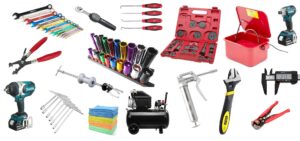
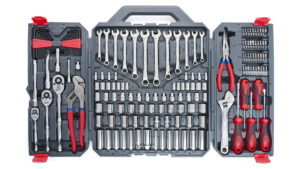
Having the right tools is key to successful DIY car repair. Invest in a basic toolkit that includes:
- Socket and wrench set
- Screwdrivers (flathead and Phillips)
- Pliers and wire cutters
- Multimeter for electrical diagnostics
- Jack and jack stands for lifting the vehicle safely
- Oil filter wrench and funnel for oil changes
- Tire pressure gauge and air pump
- Torque wrench for accurate tightening
These tools will allow you to perform a wide range of repairs and maintenance tasks with ease.
Routine Maintenance Tasks
Regular maintenance can prevent many car problems before they arise. Here are some routine tasks you can perform:
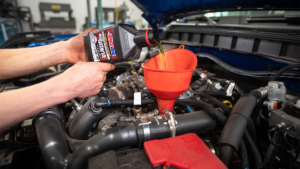
Oil Changes
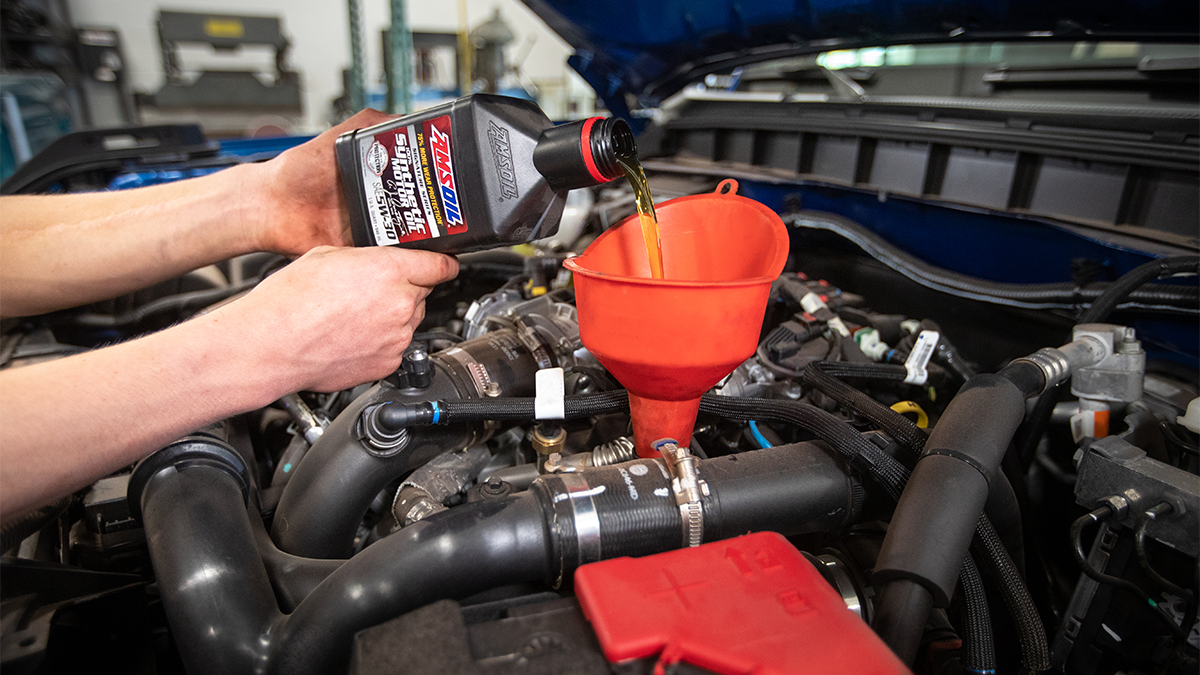
Regular oil changes are vital for engine health. Change your oil every 3,000 to 5,000 miles, or as recommended by your vehicle’s manufacturer. Make sure to replace the oil filter during each oil change to ensure optimal performance.
Braking System Inspection
Inspect your brakes regularly to ensure safety. Look for wear on brake pads and rotors, and check brake fluid levels. If you hear squeaking or feel vibrations when braking, it might be time to replace the brake pads or have a professional inspect the system.
Tire Maintenance
Proper tire maintenance enhances safety and fuel efficiency. Check tire pressure monthly and keep it at the recommended level. Rotate your tires every 6,000 to 8,000 miles to ensure even wear, and inspect them for signs of damage or uneven tread wear.
Troubleshooting Common Problems
Understanding how to diagnose common car problems is an invaluable skill. Here are tips for troubleshooting some frequent issues:
Dead Battery
If your car won’t start, a dead battery might be the culprit. Use a multimeter to check the battery voltage. If it reads below 12 volts, recharge or replace the battery. Regularly clean the battery terminals to prevent corrosion.
Overheating Engine
An overheating engine can cause severe damage if not addressed promptly. Check the coolant level and ensure the radiator and hoses are in good condition. If you notice persistent overheating, the thermostat or water pump might need replacement.
Check Engine Light
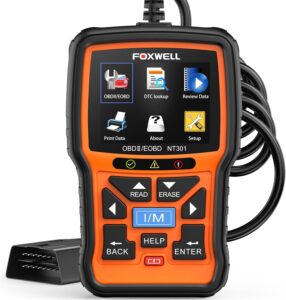
A check engine light can indicate various issues. Use an OBD-II scanner to retrieve the error code and identify the problem. Common causes include faulty oxygen sensors, loose gas caps, or issues with the catalytic converter.
Safety Precautions
Safety should always be your top priority during DIY car repairs. Follow these precautions to ensure a safe working environment:
- Work in a well-ventilated area to avoid inhaling harmful fumes.
- Always use jack stands when working under a vehicle. Never rely solely on a jack.
- Wear safety goggles and gloves to protect your eyes and hands.
- Keep a fire extinguisher nearby in case of emergencies.
- Disconnect the battery when working on electrical components to prevent shocks.
When to Seek Professional Help
While DIY repairs can be rewarding, some issues require professional expertise. Seek help if you encounter:
- Complex electrical problems that need specialized diagnostic equipment
- Transmission issues, as they involve intricate components and require specialized knowledge
- Major engine repairs that necessitate advanced tools and skills
Recognizing your limits ensures that your car remains in optimal condition and prevents further damage.
Conclusion
Mastering DIY car repair involves understanding your vehicle, having the right tools, performing regular maintenance, and knowing when to seek professional help. By following the expert tips outlined in this article, you can handle common car issues with confidence, saving both time and money. Remember, safety should always be your top priority, and when in doubt, consult a professional mechanic to ensure your car remains in peak condition.



Post Comment