Master Engine Oil Change: Step-by-Step Guide
Changing engine oil is one of the most fundamental aspects of vehicle maintenance. Regular oil changes help ensure the longevity and efficiency of your vehicle’s engine. This guide will walk you through the entire process, from gathering the necessary tools to properly disposing of the old oil. Whether you’re a seasoned DIY mechanic or a beginner, this step-by-step guide will help you master the art of changing your engine oil.
Why Regular Oil Changes Are Important
Engine oil is crucial for lubricating moving parts, reducing friction, and absorbing heat. Over time, oil degrades and becomes contaminated with dirt, debris, and combustion byproducts. Regularly changing your engine oil ensures optimal engine performance, reduces wear and tear, and helps prevent costly repairs.
Tools and Materials Needed
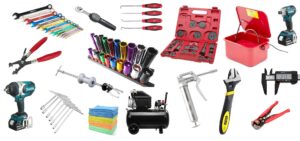
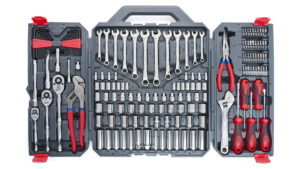
Before you begin, gather the following tools and materials to make the oil change process smooth and efficient:
– Oil filter wrench
– Socket wrench set
– Oil catch pan
– Funnel
– New oil filter
– Fresh engine oil (check your vehicle’s manual for the correct type and amount)
– Oil filter gasket (if applicable)
– Rags or paper towels
– Gloves
– Safety glasses
– Car jack and jack stands or ramps
Preparation and Safety Measures
Before you start, follow these preparation steps and safety measures:
Park on a Level Surface
Ensure your vehicle is parked on a flat surface. This prevents accidents and ensures accurate oil drainage.
Warm Up the Engine
Run the engine for a few minutes to warm up the oil. Warm oil flows better, making it easier to drain. However, make sure it’s not too hot to avoid burns.
Secure the Vehicle
Use a car jack and jack stands or ramps to lift and secure the vehicle. Ensure it’s stable before you crawl underneath.
Step-by-Step Oil Change Procedure
Step 1: Drain the Old Oil
Locate the oil drain plug beneath the engine. Place the oil catch pan underneath. Using a socket wrench, carefully remove the drain plug. Allow the oil to completely drain into the pan. This may take several minutes.
Step 2: Replace the Oil Filter
Use an oil filter wrench to unscrew the old oil filter. Be cautious as it may still contain some oil. Once removed, check the rubber gasket to ensure it’s not stuck to the engine. Prepare the new oil filter by applying a thin layer of fresh oil to the rubber gasket. Install the new filter by screwing it on by hand. Ensure it’s snug but avoid over-tightening.
Step 3: Reinstall the Drain Plug
After the oil has completely drained, reinstall the drain plug. Use the socket wrench to tighten it securely, but be cautious not to over-tighten, which could strip the threads.
Step 4: Add New Oil
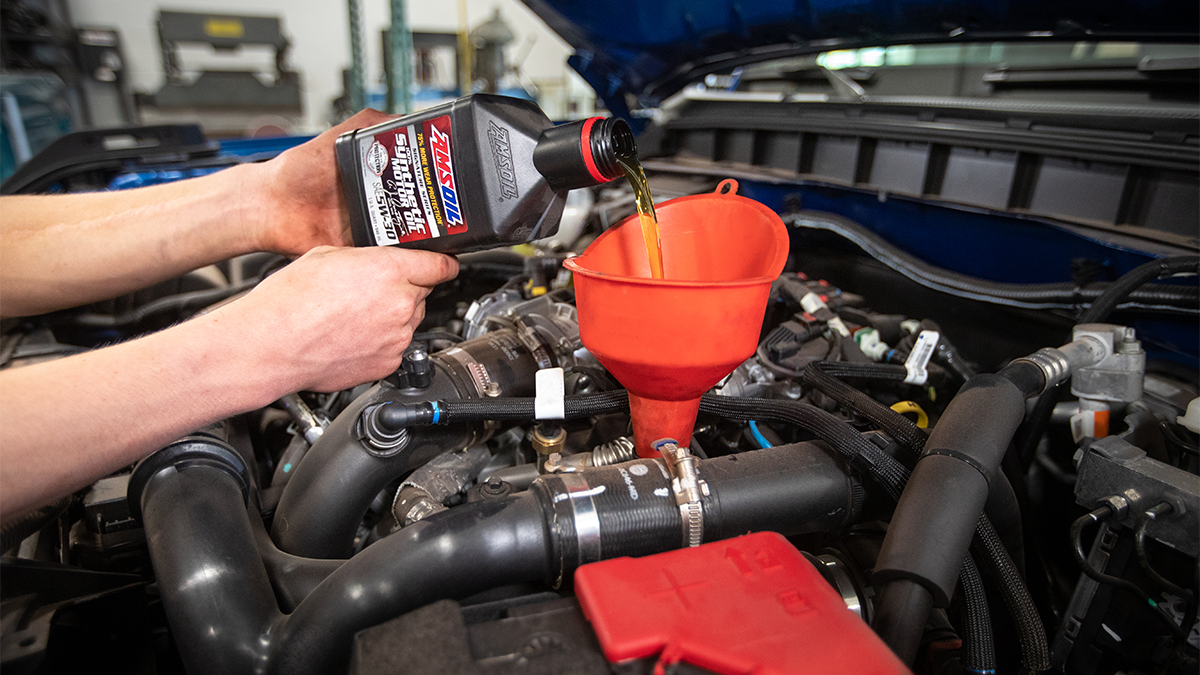
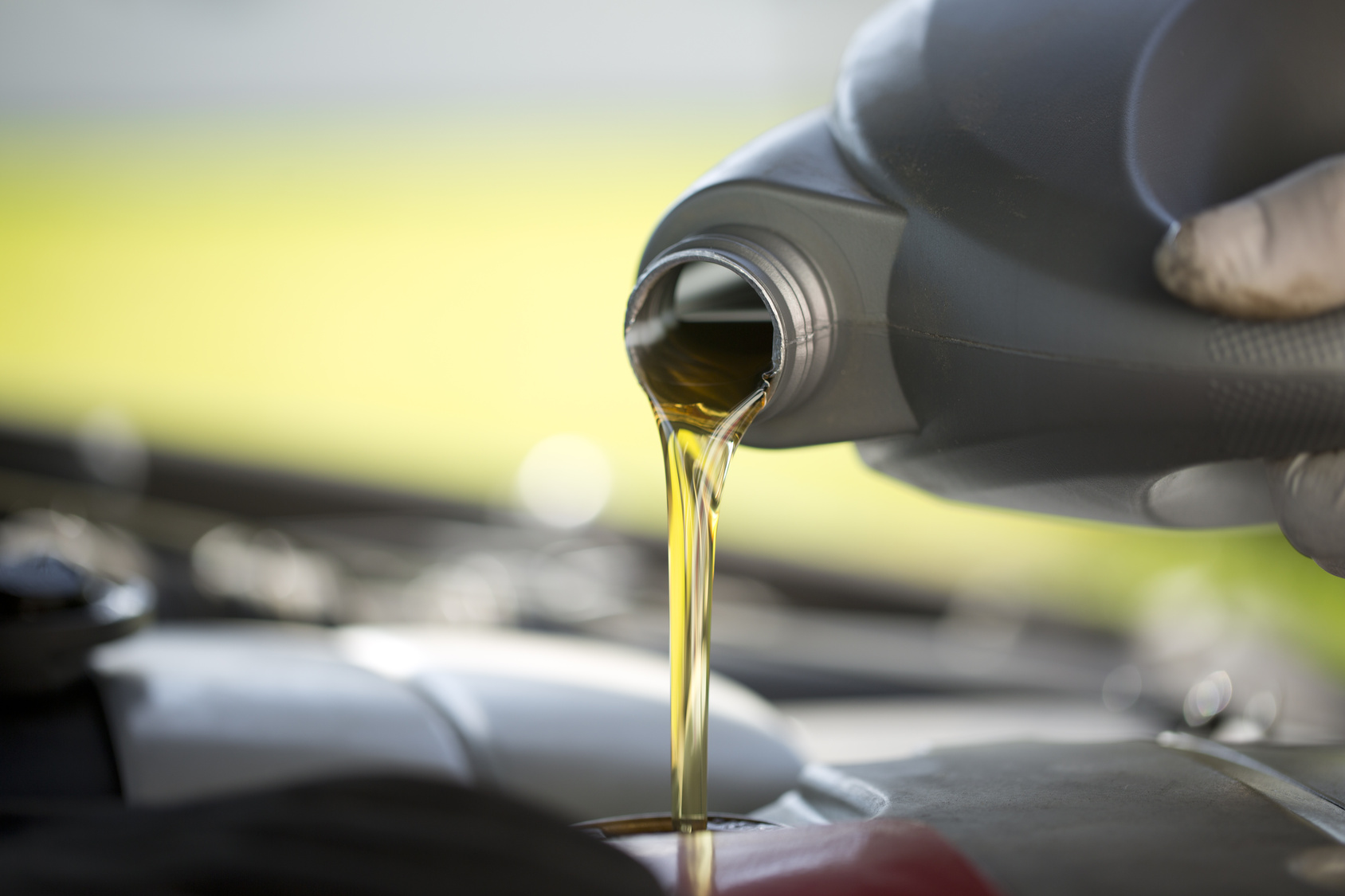
Remove the oil fill cap on top of the engine. Using a funnel, pour the recommended amount of new oil into the engine. Refer to your vehicle’s manual for the correct type and amount of oil. Once filled, replace the oil fill cap.
Step 5: Check for Leaks
Start the engine and let it run for a minute. Check beneath the vehicle and around the oil filter for any signs of leaks. If everything is secure, turn off the engine.
Step 6: Verify Oil Level
After the engine has been off for a few minutes, use the dipstick to check the oil level. Pull the dipstick out, wipe it clean, reinsert it fully, and then remove it again to check the level. If necessary, add more oil to reach the recommended level.
Cleaning Up and Disposal
Dispose of Old Oil and Filter
Properly dispose of the old oil and oil filter at a recycling center or auto parts store that accepts used oil. Never pour oil down the drain or on the ground, as it’s harmful to the environment.
Clean Up
Clean any spilled oil and wipe down your tools. Safely store your tools for future use.
Conclusion
Performing regular oil changes is an essential part of vehicle maintenance that can significantly enhance the performance and lifespan of your engine. By following this step-by-step guide, you can confidently change your engine oil and contribute to the overall health of your vehicle. Remember to consult your vehicle’s manual for specific recommendations and maintain a regular oil change schedule to keep your engine running smoothly.
Additional Tips for Success
Keep Records
Maintain a log of your oil changes, including the date, mileage, and type of oil used. This helps you track maintenance and provides useful information for future servicing.
Regularly Check Oil Levels
In addition to scheduled oil changes, periodically check your oil level and top it off if necessary. This helps prevent running your engine on low oil, which can cause damage.
Watch for Warning Signs
Be attentive to any warning signs such as unusual engine noises, oil leaks, or the oil warning light. Address these issues promptly to avoid more significant problems.
Stay Informed
Keep up with advancements in oil technology and any specific recommendations from your vehicle manufacturer. Using the latest products and techniques can enhance engine performance and longevity.
By mastering the engine oil change process, you not only save money but also gain a deeper understanding of your vehicle’s needs. Happy driving!









Post Comment