Master Replacing Your Car’s Air Filter Quickly

Regular car maintenance is crucial to ensuring the longevity and performance of your vehicle. One of the simplest yet most impactful maintenance tasks you can undertake is replacing your car’s air filter. A clean air filter ensures that your engine breathes easily, which in turn enhances fuel efficiency, reduces emissions, and prolongs engine life. In this article, we will guide you through the process of replacing your car’s air filter quickly and efficiently.
Understanding the Importance of an Air Filter
The air filter in your car plays a critical role in maintaining the health of your engine. It acts as a barrier, preventing dust, dirt, and other debris from entering the engine’s combustion chamber. Over time, the air filter can become clogged with these particles, which can impede airflow and reduce engine efficiency. A dirty air filter can lead to decreased fuel economy, increased emissions, and even engine damage if not addressed in a timely manner.
How Often Should You Replace Your Air Filter?
The frequency of air filter replacement depends on several factors, including the type of vehicle you drive and the conditions in which you typically operate it. Generally, it is recommended to replace your air filter every 12,000 to 15,000 miles, or at least once a year. However, if you frequently drive in dusty or polluted environments, you may need to replace it more often. It is always best to consult your vehicle’s owner’s manual for specific recommendations.
Tools and Materials Needed
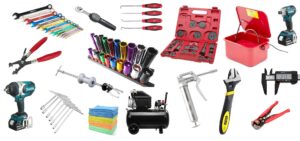
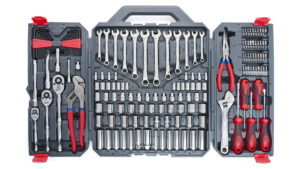
Before you start, gather the necessary tools and materials. Fortunately, replacing an air filter is a straightforward task that requires minimal equipment. Here’s what you’ll need:
- A new air filter compatible with your vehicle model
- A screwdriver (usually a flathead or Phillips, depending on your vehicle)
- A clean cloth or vacuum for cleaning the air filter housing
Step-by-Step Guide to Replacing Your Car’s Air Filter
Step 1: Locate the Air Filter Housing
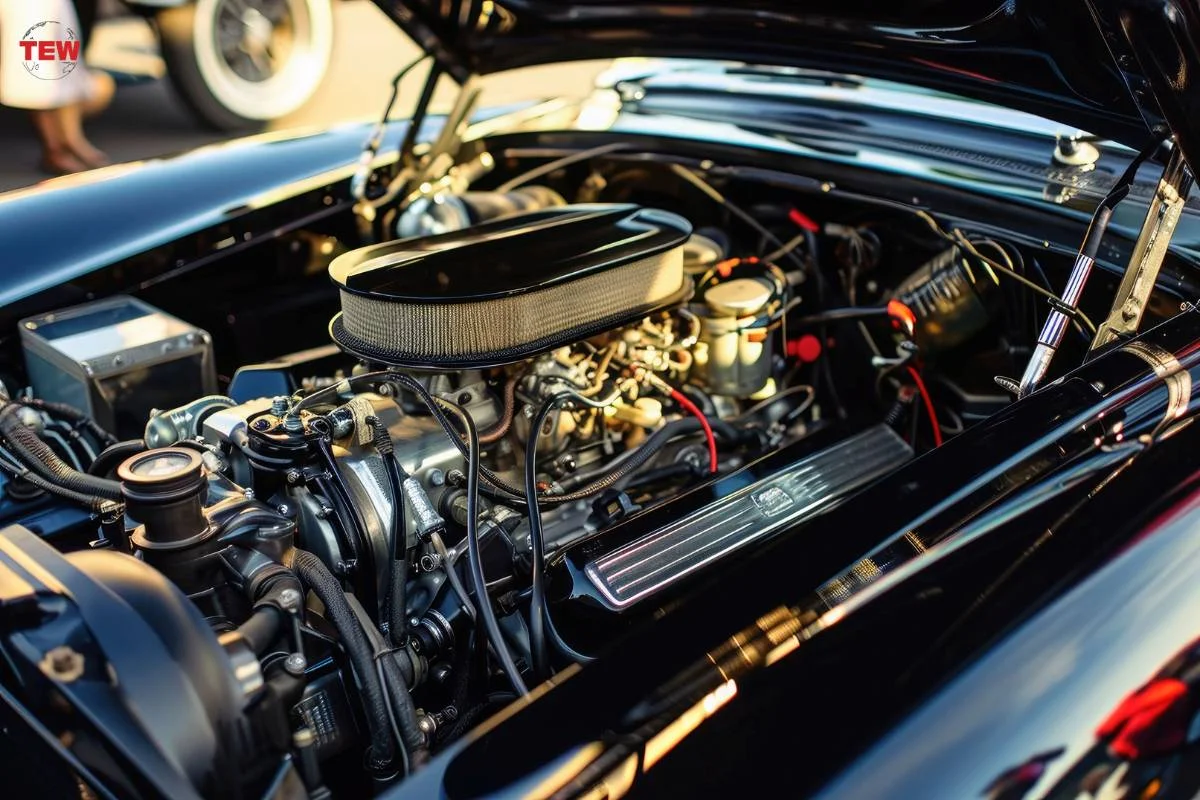
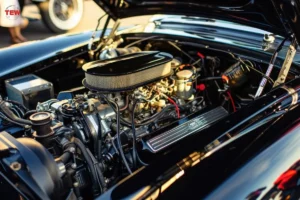
The air filter housing is typically located near the engine, enclosed in a black plastic or metal casing. In most vehicles, it is positioned near the front or side of the engine bay. If you’re unsure, refer to your owner’s manual for the exact location.
Step 2: Open the Air Filter Housing
Once you have located the air filter housing, use a screwdriver to remove the screws or clips holding the cover in place. Be careful to set aside the screws in a safe place to avoid losing them. Some vehicles may have a simple latch that requires no tools to open.
Step 3: Remove the Old Air Filter
Carefully lift the old air filter out of the housing. Take note of how it is positioned, as you will need to install the new filter in the same orientation. Inspect the old filter for excessive dirt and debris, which can indicate the need for more frequent replacements.
Step 4: Clean the Air Filter Housing
Before installing the new filter, take a moment to clean the inside of the air filter housing. Use a clean cloth or a vacuum to remove any dirt or debris that may have accumulated. This step ensures that the new filter remains effective for as long as possible.
Step 5: Install the New Air Filter
Place the new air filter into the housing, ensuring it is seated correctly and securely. The filter should fit snugly without any gaps around the edges. Double-check that it is oriented in the same way as the old filter.
Step 6: Close the Air Filter Housing
Once the new air filter is in place, reattach the cover and secure it with screws or clips. Make sure the housing is closed tightly to prevent any unfiltered air from entering the engine.
Final Checks and Tips
After replacing the air filter, start your engine to ensure everything is functioning properly. You should notice a smoother idle and potentially improved throttle response. Here are a few additional tips to keep in mind:
- Always purchase a quality air filter that is designed for your specific vehicle model. A poor-quality filter can negate the benefits of the replacement.
- Consider keeping a spare air filter in your vehicle, especially if you often travel in dusty conditions. This way, you’ll be prepared for an impromptu replacement if needed.
- Take the opportunity to check other components in the engine bay, such as the intake hose and clamps, for any signs of wear or damage.
Conclusion
Replacing your car’s air filter is a quick and simple task that can have significant benefits for your vehicle’s performance and longevity. With just a few tools and a little bit of time, you can ensure that your engine remains clean and efficient. Regular air filter maintenance not only enhances fuel economy but also helps reduce your vehicle’s environmental impact. By mastering this straightforward process, you can contribute to the overall health and reliability of your car while saving money on potential repairs in the long run.






Post Comment