Top Car Electrical Problems and Expert Solutions
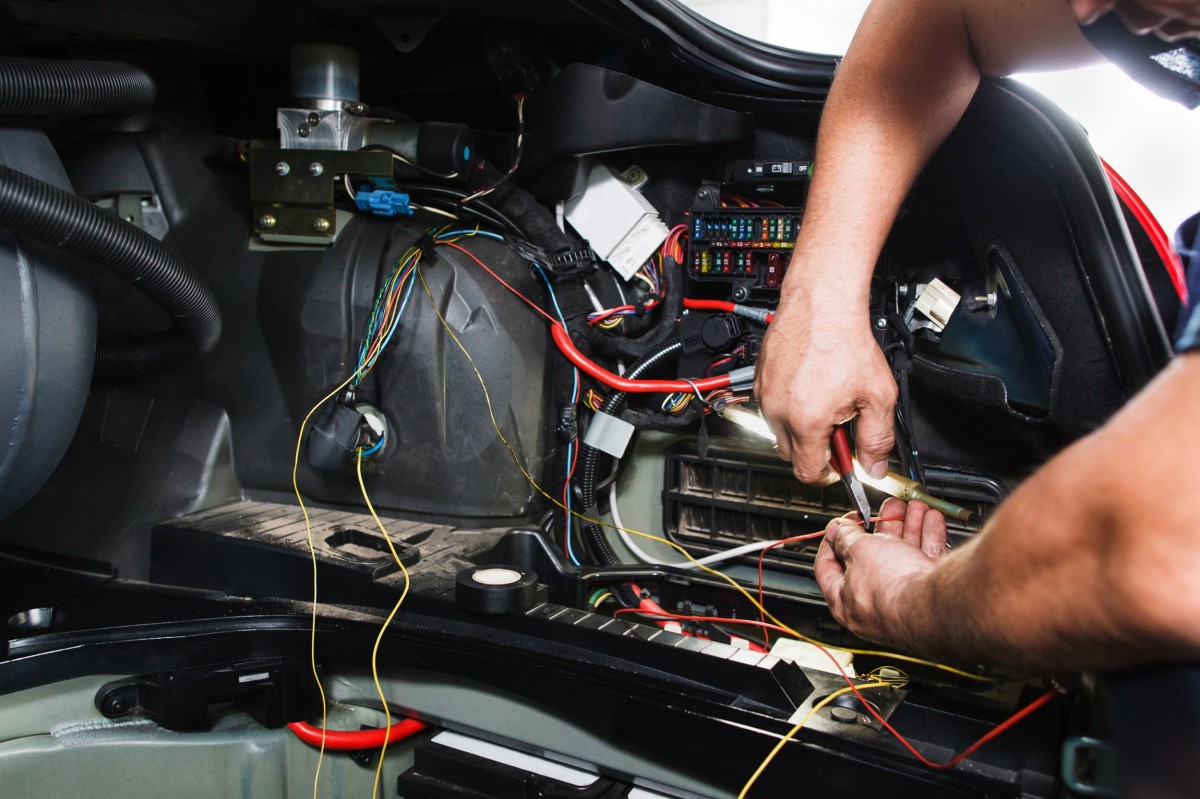
Modern vehicles are equipped with a complex network of electrical systems that power everything from the ignition to the advanced infotainment systems. While these systems enhance the driving experience, they also introduce potential points of failure. Electrical problems can be perplexing, causing inconvenience and sometimes leaving drivers stranded. This article delves into the top car electrical issues and offers expert solutions to keep your vehicle running smoothly.
Dead Battery
One of the most common electrical problems is a dead battery. Batteries can fail due to age, extreme temperatures, or leaving lights and accessories on for extended periods without the engine running. Symptoms include dim lights, clicking sounds when starting, and complete ignition failure.
Solution
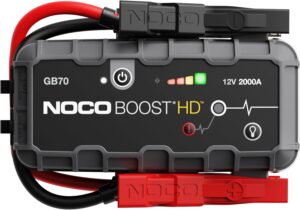
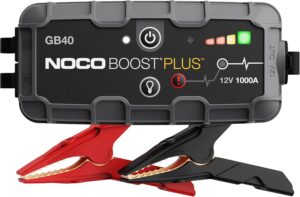
To address a dead battery, first attempt a jump-start using jumper cables and a working vehicle. If the battery frequently dies, it might be time for a replacement. Regularly check the battery terminals for corrosion and ensure they are clean and tightly connected. Additionally, consider using a battery maintainer if the vehicle sits unused for long periods.
Faulty Alternator
The alternator charges the battery and powers the electrical system when the engine is running. A malfunctioning alternator can result in a drained battery and a stalled vehicle. Warning signs include dimming headlights, electrical failure while driving, and a battery warning light on the dashboard.
Solution
If the alternator is confirmed to be faulty, it will need to be replaced. Regular maintenance, such as checking belt tension and condition, can prevent alternator issues. An alternator test can be performed at most auto parts stores to diagnose the problem accurately.
Blown Fuses
Fuses protect the vehicle’s electrical circuits by breaking the circuit if there’s a surge in current. A blown fuse will result in the failure of specific electrical components, such as power windows, lights, or the radio.
Solution
Locate the vehicle’s fuse box, usually found under the dashboard or in the engine bay. Use the diagram on the fuse box cover to identify the blown fuse and replace it with one of the same amperage. If fuses blow repeatedly, it may indicate a deeper electrical problem requiring professional diagnosis.
Starter Motor Issues
The starter motor is responsible for turning the engine over during ignition. Problems with the starter motor can prevent the engine from cranking, often accompanied by a clicking noise or a complete lack of response when turning the key.
Solution
If the starter motor is faulty, it typically needs replacement. Before doing so, ensure that the battery is fully charged and that all connections are secure. A professional mechanic can perform tests to confirm the starter motor’s failure.
Malfunctioning Electronic Control Unit (ECU)
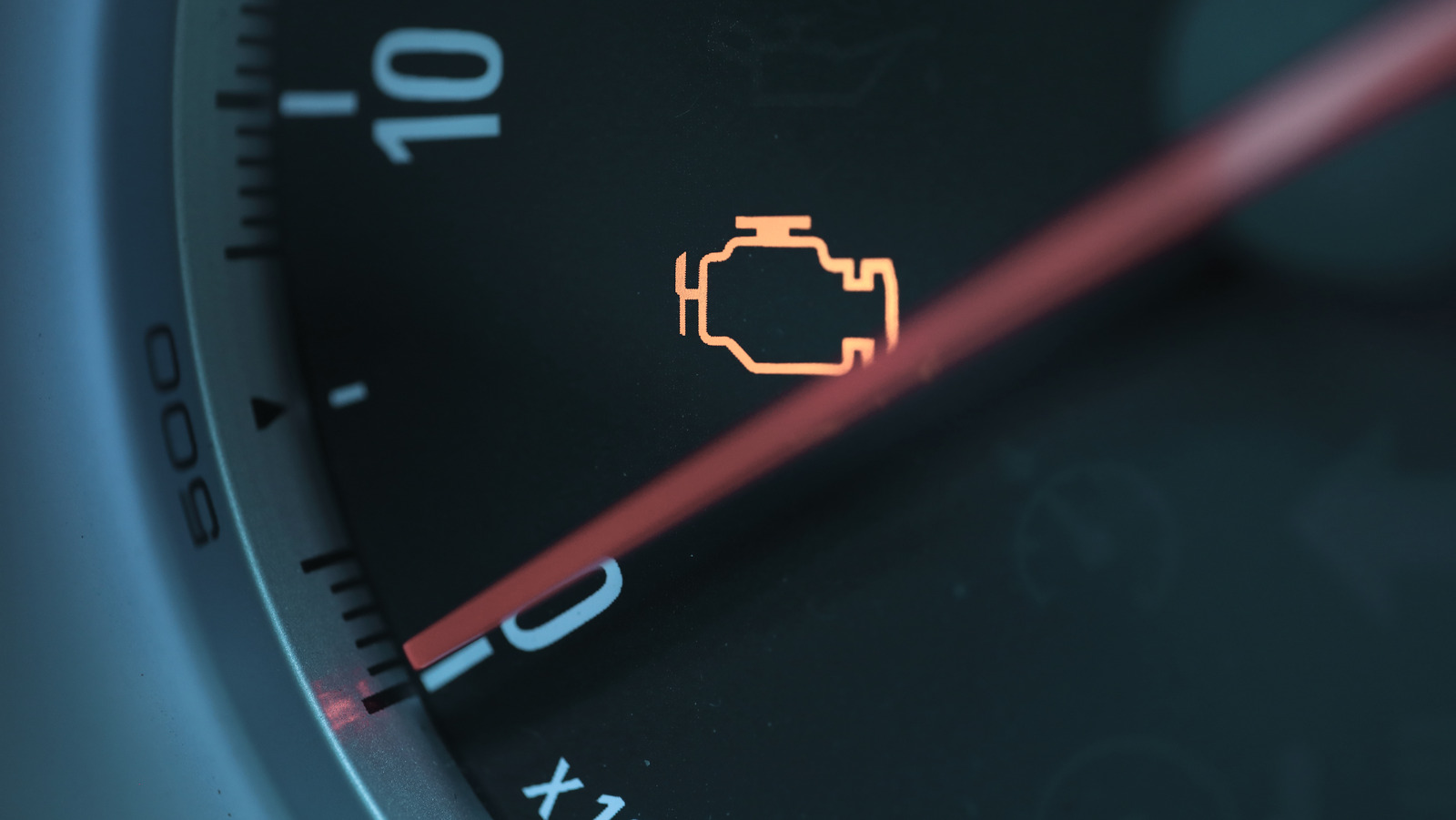
The ECU is the brain of the vehicle’s electrical system, managing engine performance, fuel efficiency, and emissions. A malfunctioning ECU can lead to poor engine performance, decreased fuel efficiency, and illuminated warning lights on the dashboard.
Solution
Diagnosing ECU issues requires specialized equipment to read error codes stored in the system. A professional mechanic can interpret these codes and determine if the ECU needs reprogramming or replacement. Regular software updates and avoiding water exposure can help prevent ECU problems.
Electrical Wiring Problems
Damaged or corroded wiring can cause a multitude of electrical issues, from flickering lights to complete electrical failure. Wiring problems often result from rodent damage, moisture exposure, or wear and tear over time.
Solution
Inspect the vehicle’s wiring for visible damage or corrosion. Repair or replace damaged wires and ensure connections are secure. To prevent future issues, keep the engine bay clean and check for signs of rodent activity. Using protective covers can also safeguard wiring.
Faulty Sensors
Modern cars rely on various sensors to monitor and regulate different systems. Faulty sensors can lead to incorrect readings and affect vehicle performance. Common problematic sensors include the oxygen sensor, mass airflow sensor, and throttle position sensor.
Solution
Sensor issues are typically diagnosed using a diagnostic scanner that reads error codes. Once identified, faulty sensors should be replaced promptly. Regular vehicle maintenance and using high-quality fuel can help prolong sensor life and reliability.
Conclusion
Understanding common car electrical problems and their solutions can save time, money, and frustration. While some issues can be addressed with basic tools and knowledge, others may require professional intervention. Regular vehicle maintenance, including battery checks, electrical inspections, and software updates, is crucial to preventing electrical problems. By staying vigilant and proactive, drivers can enjoy a safer and more reliable driving experience.








Post Comment