Top Causes of Car Overheating You Must Know
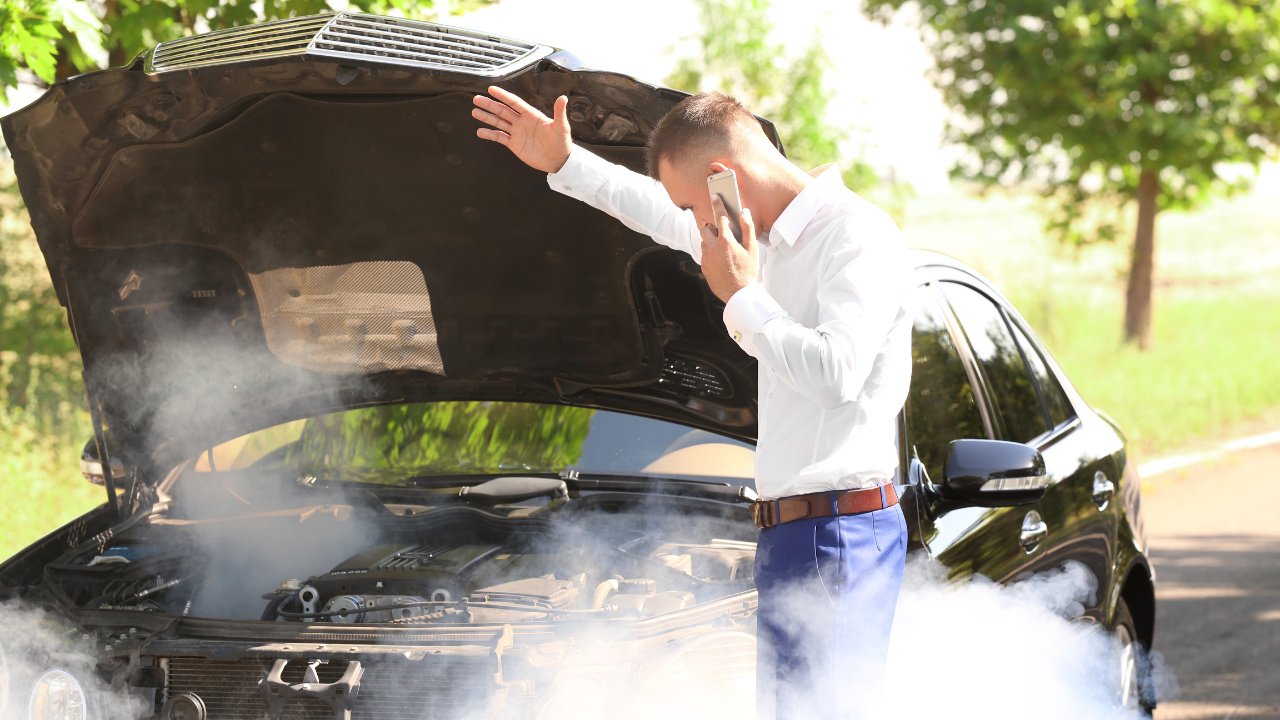
Car overheating is a common issue that can cause significant damage if not addressed promptly. Understanding the reasons behind overheating is crucial for maintaining your vehicle’s health and performance. In this article, we will explore the top causes of car overheating, equipping you with the knowledge to prevent or address this issue effectively.
Cooling System Leaks
One of the most prevalent causes of car overheating is a leak in the cooling system. The cooling system comprises several components, including the radiator, hoses, water pump, and thermostat, all working together to regulate engine temperature. A leak in any of these components can lead to a loss of coolant, reducing the system’s ability to dissipate heat.
Identifying Leaks
To identify leaks, look for signs such as puddles of coolant under the vehicle, a sweet smell inside the cabin, or visible steam from the engine bay. Regularly inspecting hoses and connections for wear and tear can also help catch leaks early.
Faulty Thermostat
The thermostat plays a critical role in maintaining the engine’s temperature by regulating the flow of coolant. A faulty thermostat can become stuck open or closed, leading to overheating. If the thermostat is stuck closed, it can prevent coolant from circulating through the engine, causing the temperature to rise rapidly.
Thermostat Troubleshooting
If you suspect a thermostat issue, observe the temperature gauge on your dashboard. If it rises quickly after starting the engine or fluctuates unpredictably, the thermostat could be at fault. Replacing a malfunctioning thermostat is a relatively simple and inexpensive fix.
Radiator Problems
The radiator is crucial for dissipating heat from the coolant. Over time, radiators can become clogged with debris or develop internal corrosion, reducing their efficiency. A damaged or blocked radiator can significantly hinder the cooling process, leading to overheating.
Maintaining the Radiator
Regular maintenance of the radiator is essential. Flushing the radiator periodically and ensuring it is free from obstructions like leaves or dirt can help maintain its efficiency. Additionally, inspecting for any signs of leaks or corrosion is vital for early detection of potential issues.
Water Pump Failure
The water pump is responsible for circulating coolant throughout the engine. A failing water pump can lead to inadequate coolant flow, causing the engine to overheat. Common signs of water pump failure include coolant leaks at the front of the engine, unusual noises, and engine overheating.
Addressing Water Pump Issues
If you notice any signs of water pump failure, it is crucial to address them promptly. Replacing a water pump requires mechanical expertise, so consulting a professional mechanic is recommended to ensure proper installation.
Blocked Coolant Passages
Blocked coolant passages can restrict the flow of coolant, leading to localized overheating within the engine. This issue often arises due to the buildup of mineral deposits, rust, or debris in the cooling system.
Preventing Blockages
Regularly flushing the cooling system can prevent the accumulation of deposits and debris. Using high-quality coolant and ensuring a proper mix of antifreeze and water can also minimize the risk of blockages.
Low Coolant Levels
Insufficient coolant levels are a common cause of overheating. Coolant is vital for absorbing and dissipating heat, and a low level can reduce the system’s efficiency. Regularly checking and topping off coolant levels is a simple yet crucial maintenance task.
Monitoring Coolant Levels
To maintain optimal coolant levels, check the reservoir regularly and refill as necessary. Always use the type of coolant recommended by your vehicle’s manufacturer to ensure compatibility and effectiveness.
Fan Malfunction
The cooling fan assists in pulling air through the radiator to help cool the engine, especially at low speeds or when the vehicle is stationary. A malfunctioning fan can lead to inadequate airflow, causing the engine to overheat.
Diagnosing Fan Issues
Listen for unusual noises or check if the fan activates when the engine temperature rises. If the fan is not operating correctly, it may be due to a faulty fan motor, relay, or temperature sensor. Professional diagnosis and repair are recommended for fan-related issues.
Conclusion
Car overheating is a serious issue that can lead to significant engine damage if not addressed promptly. Understanding the top causes of overheating, such as cooling system leaks, faulty thermostats, radiator problems, water pump failure, blocked coolant passages, low coolant levels, and fan malfunctions, is crucial for effective troubleshooting and prevention.
Regular maintenance, including checking coolant levels, inspecting components for wear and tear, and flushing the cooling system, can significantly reduce the risk of overheating. By staying informed and proactive, you can ensure your vehicle remains in optimal condition and avoid costly repairs associated with overheating.
Remember, if you’re unsure about diagnosing or repairing any issues, it’s always best to consult with a professional mechanic to ensure your vehicle’s safety and performance.
#ChatGPT assisted in the creation of this article.






Post Comment