Top Engine Knocking Causes and Solutions Explained

Engine knocking is a common and often perplexing issue that many vehicle owners encounter. It is characterized by a pinging or knocking sound that emanates from the engine, often during acceleration or under load. This sound is not just a minor nuisance—it can be a precursor to significant engine damage if left unaddressed. Understanding the causes of engine knocking and their respective solutions is crucial for maintaining engine health and performance. This article delves into the top causes of engine knocking and offers practical solutions to each.
### What is Engine Knocking?
Engine knocking, also known as “pinging” or “detonation,” occurs when the air-fuel mixture in an engine’s cylinder ignites prematurely. This premature ignition creates a shock wave that collides with the piston, cylinder walls, and other engine components, producing the characteristic knocking sound. Persistent knocking can lead to severe engine damage, including piston damage, loss of compression, and even engine failure.
### Causes of Engine Knocking
#### Low-Quality Fuel
One of the most common causes of engine knocking is the use of low-octane or poor-quality fuel. Engine manufacturers specify the minimum octane rating required for optimal performance. Using fuel with an octane rating below this specification can lead to premature combustion, resulting in knocking.
#### Solution
To resolve this issue, always use the recommended octane fuel for your vehicle. If you inadvertently use a lower octane fuel, consider adding an octane booster to the tank. Regularly using high-quality fuel can prevent this issue from recurring.
#### Carbon Deposits
Over time, carbon deposits can accumulate on the pistons, valves, and other engine components. These deposits increase the engine’s compression ratio, leading to higher temperatures and pressures that can cause knocking.
#### Solution
Routine maintenance can help prevent carbon buildup. Use fuel additives designed to clean the engine’s internal components and follow a regular maintenance schedule. In severe cases, a professional engine cleaning may be necessary to remove stubborn deposits.
#### Incorrect Ignition Timing
Ignition timing refers to the precise moment the spark plug ignites the air-fuel mixture in the engine’s cylinder. If the timing is off, the mixture can ignite too early, causing knocking. This issue is more prevalent in older vehicles with mechanical ignition systems.
#### Solution
Ensure that your vehicle’s ignition system is correctly calibrated. For older vehicles, this may involve adjusting the distributor. Modern vehicles with electronic ignition systems may require a diagnostic scan and reprogramming to correct timing issues.
#### Lean Air-Fuel Mixture
A lean air-fuel mixture, where there is too much air and not enough fuel, can lead to higher combustion temperatures and knocking. This condition is often caused by vacuum leaks, faulty fuel injectors, or a malfunctioning mass airflow sensor.
#### Solution
Diagnose and repair any vacuum leaks and ensure that the fuel injectors are functioning correctly. Replacing the mass airflow sensor or the oxygen sensor, if faulty, can restore the correct air-fuel ratio and eliminate knocking.
#### Engine Overheating
Overheating can cause the air-fuel mixture to ignite prematurely, resulting in knocking. This can be due to a malfunctioning cooling system, such as a failing thermostat, radiator problems, or a coolant leak.
#### Solution
Maintain the cooling system by regularly checking and replacing the coolant as needed. Ensure that the radiator, thermostat, and water pump are in good working condition. Address any leaks promptly to prevent overheating and subsequent engine knocking.
#### Advanced Wear and Tear
As engines age, wear and tear on internal components can lead to knocking. Worn bearings, pistons, and other parts can create excessive clearances and alter the combustion process.
#### Solution
Regular maintenance can extend the life of engine components. However, if wear is advanced, a comprehensive engine overhaul or replacement of specific components may be necessary to resolve the knocking issue.
### Diagnosing Engine Knocking
Accurate diagnosis is crucial for effectively resolving engine knocking. Here are some steps you can take to diagnose the issue:
#### Listen for the Knocking Sound
Pay attention to when the knocking occurs. Is it during acceleration, at idle, or under a load? The timing and conditions under which knocking occurs can provide clues to its cause.
#### Inspect Fuel Quality
Check if you have filled up with the correct octane rating fuel. If unsure, try switching to a higher octane fuel to see if the knocking persists.
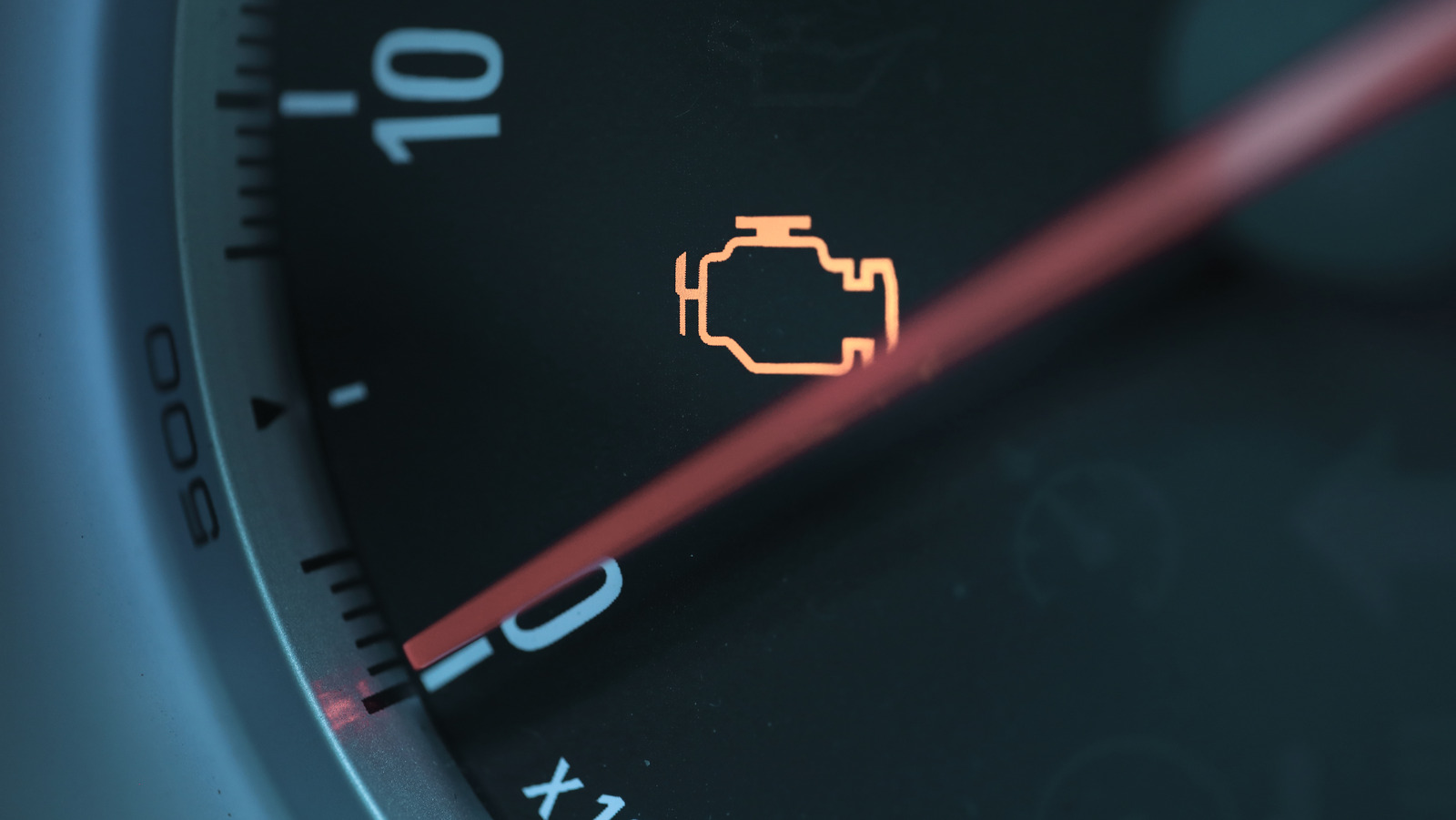
#### Check Engine Light
If the check engine light is on, use a diagnostic scanner to retrieve trouble codes. These codes can guide you to the underlying cause of the knocking.
#### Examine Spark Plugs
Remove and inspect the spark plugs. They can provide insight into the engine’s combustion process. Wet or sooty plugs may indicate a rich mixture, while blistered plugs may suggest overheating.
#### Monitor Engine Temperature
Keep an eye on the engine temperature gauge. If the engine is running hot, investigate the cooling system components for potential issues.
### Preventing Engine Knocking
Preventive maintenance is key to avoiding engine knocking. Here are some tips to keep your engine running smoothly:
#### Use Quality Fuel
Always use fuel that meets or exceeds the manufacturer’s octane rating recommendation. Avoid filling up at stations with a reputation for poor fuel quality.
#### Regular Maintenance
Follow the manufacturer’s maintenance schedule, including oil changes, spark plug replacements, and fuel system cleanings. This helps in keeping the engine components in optimal condition.
#### Cooling System Care
Regularly check the coolant level and inspect the cooling system for leaks or damage. Ensure that the radiator and other components are clean and functioning properly.
#### Update Engine Software
For modern vehicles, ensure that the engine control unit (ECU) software is up to date. Manufacturers often release updates that can improve engine performance and efficiency.
### Conclusion
Engine knocking is a serious issue that can lead to significant engine damage if not addressed promptly. By understanding the top causes of engine knocking—such as low-quality fuel, carbon deposits, incorrect ignition timing, lean air-fuel mixtures, engine overheating, and advanced wear—you can take proactive steps to prevent and resolve this problem. Regular maintenance, timely diagnostics, and adherence to manufacturer recommendations are essential for ensuring your engine runs smoothly and efficiently. By staying vigilant and addressing issues early, you can extend the life of your engine and enjoy a smoother, quieter ride.



Post Comment