Top Signs of a Failing Car Starter
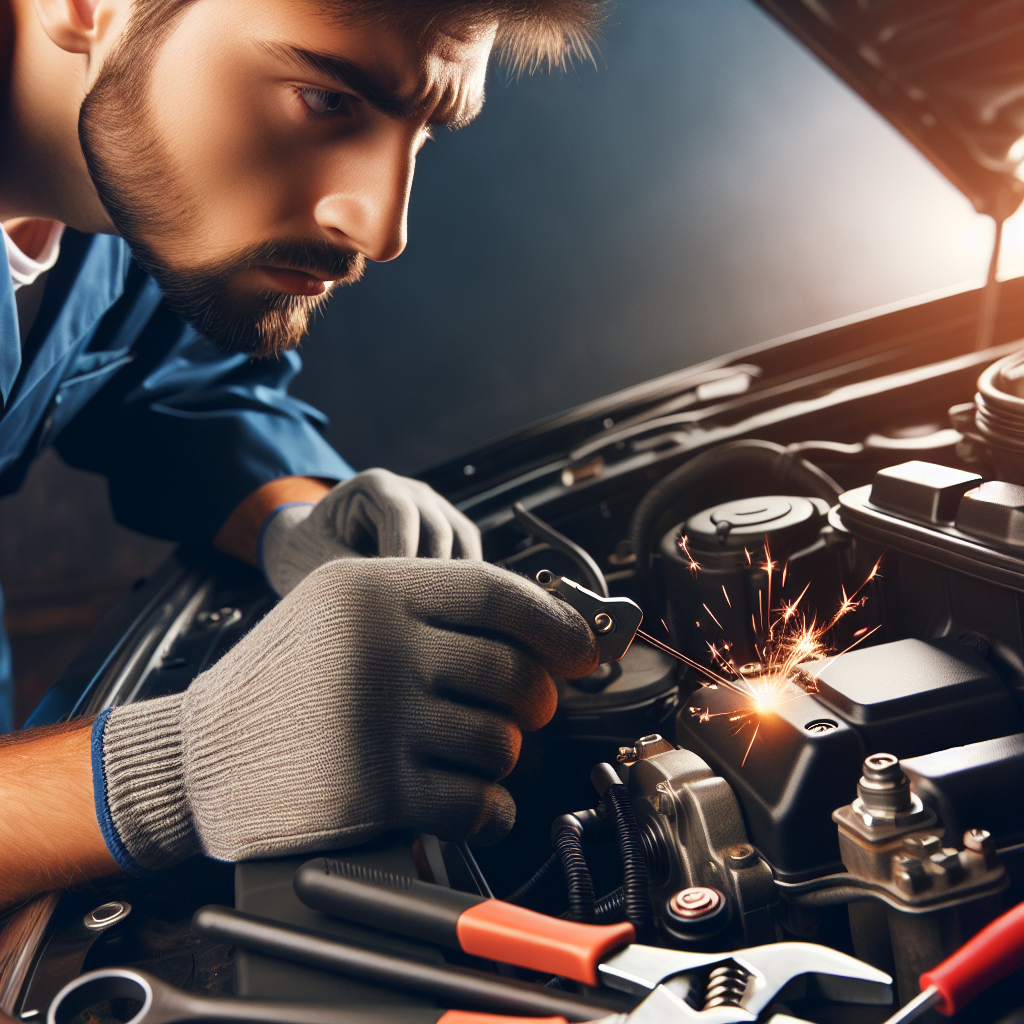
The car starter is a crucial component of your vehicle’s ignition system. It is responsible for initiating the engine’s operation by converting electrical energy from the battery into mechanical energy, which then turns the engine over. A failing starter can pose significant challenges, leaving you stranded and frustrated. Understanding the top signs of a failing car starter can help you diagnose issues early and prevent costly repairs or inconvenient breakdowns. In this article, we will explore the common symptoms of a failing car starter, what causes these issues, and how you can address them.
Symptoms of a Failing Car Starter
Recognizing the early warning signs of a failing car starter can save you from unexpected car troubles. Here are some common symptoms to watch out for:
Intermittent Starting Issues
One of the most common signs of a failing car starter is intermittent starting problems. If your car sometimes starts smoothly but other times fails to start, the starter may be the culprit. This inconsistency often indicates worn-out components within the starter motor, such as the brushes or the armature.
Grinding Noise
If you hear a grinding noise when you attempt to start your vehicle, it could be a sign that the starter drive gear is worn out or not engaging properly with the engine’s flywheel. This grinding noise is similar to the sound of metal-on-metal contact and is a clear indication that the starter is struggling to function correctly.
Clicking Sound
A clicking sound when you turn the key in the ignition is another common symptom of a failing starter. This noise typically occurs when the starter solenoid is attempting to engage but fails due to insufficient power or a faulty solenoid. The clicking can be a single instance or a rapid succession of clicks, both of which warrant immediate attention.
No Response When Turning the Key
If you turn the key in the ignition and nothing happens, it could indicate a completely failed starter. This lack of response suggests that the starter motor is not receiving any power or that it has entirely burned out. Before assuming the starter is the issue, ensure the battery is charged and the connections are secure.
Starter Engages but Engine Does Not Start
Sometimes, the starter may engage and turn the engine, but the vehicle fails to start. This problem can occur if the starter is not turning the engine fast enough to initiate combustion. It can be caused by a weak starter motor or problems within the engine itself, such as a lack of fuel or spark.
Smoke Coming from the Engine Compartment
Smoke emanating from the engine compartment when attempting to start your car is a serious warning sign. It indicates that the starter is overheating, possibly due to a short circuit, excessive cranking, or a failed component. This situation requires immediate attention as it poses a risk of fire.
Causes of Starter Problems
Understanding what causes starter issues can help you prevent them in the future. Here are some common causes of a failing car starter:
Electrical Issues
Electrical problems are one of the leading causes of starter failures. Poor connections, corroded terminals, or a weak battery can hinder the starter’s ability to function correctly. Ensuring that all electrical connections are clean and secure is vital for the starter’s optimal performance.
Wear and Tear
Over time, the components within the starter motor can wear out, leading to reduced efficiency or complete failure. Brushes, bearings, and the armature are susceptible to wear and require periodic inspection and maintenance.
Faulty Solenoid
The starter solenoid is responsible for engaging the starter motor. A faulty solenoid can prevent the starter from engaging correctly, resulting in starting issues. Problems with the solenoid can be caused by electrical faults or mechanical wear.
Misalignment
If the starter is not correctly aligned with the engine’s flywheel, it can cause grinding noises and prevent proper engagement. Misalignment can occur due to improper installation or damage to the starter or flywheel.
Diagnosing Starter Problems
If you suspect your car starter is failing, a systematic approach to diagnosis can help confirm the issue. Here are some steps you can take:
Check the Battery
Before concluding that the starter is the problem, ensure your battery is fully charged and in good condition. A weak or dead battery can mimic starter issues, so testing the battery’s voltage and inspecting the terminals for corrosion is a crucial first step.
Inspect Electrical Connections
Examine all electrical connections related to the starter, including the battery terminals, wiring, and ground connections. Ensure they are clean, tight, and free of corrosion. Loose or corroded connections can impede the flow of electricity to the starter.
Listen for Noises
Pay attention to any unusual noises when attempting to start your vehicle. Grinding or clicking sounds can provide valuable clues about the starter’s condition and help pinpoint the problem.
Test the Starter Solenoid
Using a multimeter, you can test the starter solenoid for continuity and proper operation. A faulty solenoid can prevent the starter from engaging, so testing it can help identify the issue.
Consult a Professional
If you’re unable to diagnose the problem on your own, it may be time to consult a professional mechanic. They have the tools and expertise to accurately diagnose and resolve starter issues.
Preventing Starter Problems
Preventive maintenance can help extend the life of your car’s starter and reduce the likelihood of failure. Here are some tips to help prevent starter problems:
Regular Maintenance
Schedule regular maintenance checks for your vehicle, including the starter system. A professional mechanic can inspect the starter, solenoid, and electrical connections to ensure everything is in good working order.
Keep Connections Clean
Periodically clean and inspect all electrical connections related to the starter. Removing corrosion and ensuring tight connections can prevent electrical issues that lead to starter failure.
Replace Worn Components
If you notice any signs of wear or damage to starter components, such as the brushes or bearings, have them replaced promptly. Ignoring worn components can lead to more severe issues down the road.
Conclusion
A failing car starter can be a frustrating and inconvenient problem, but recognizing the signs early can help you address the issue before it leaves you stranded. By understanding the symptoms of a failing starter, identifying the causes, and taking preventive measures, you can keep your vehicle’s ignition system in top condition. Regular maintenance and prompt attention to any starting issues will ensure your car remains reliable and ready to go whenever you are.







Post Comment