Top Solutions for Your Car Won’t Start Problem
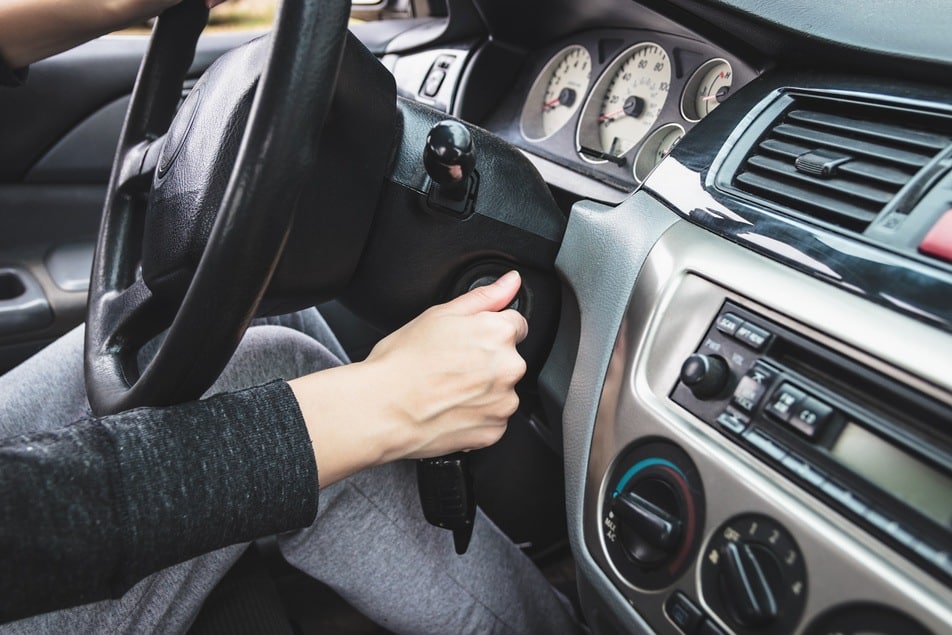
Few things can be more frustrating than getting into your car, turning the key, and hearing nothing but silence—or perhaps a sputter. When your car won’t start, it can disrupt your day and cause concern about potential repair costs. Before you panic, it’s important to understand that there are several common reasons why a car might not start, and many of these can be resolved without the need for professional help. This article will guide you through some of the top solutions for diagnosing and fixing a car that won’t start.
Check the Battery
The most common cause of a car not starting is a dead or weak battery. A car battery can lose its charge for various reasons, including leaving the lights on, extreme temperatures, or simply old age. Here’s what to do:
Inspect for Corrosion
Open the hood and inspect the battery terminals. Corrosion on the terminals can prevent the battery from providing enough power to start the engine. If you see a white, ashy substance, clean the terminals with a wire brush and a mixture of baking soda and water.
Jump Start the Car
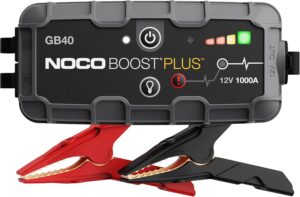
If the battery is dead, a jump start may get your car running. Use jumper cables and another car with a working battery. Connect the cables properly: positive to positive and negative to negative, and ensure both cars are off before making connections. Start the working car, then try starting yours.
Inspect the Ignition System
If you’ve ruled out the battery, the ignition system might be the culprit. The ignition system is responsible for igniting the fuel-air mixture in the engine’s cylinders.
Check the Ignition Switch
Turn the key to the ‘on’ position. If the dashboard lights up but the car doesn’t start, the ignition switch could be faulty. In some cases, rocking the steering wheel gently while turning the key can help if the steering lock is engaged.
Test the Starter Motor
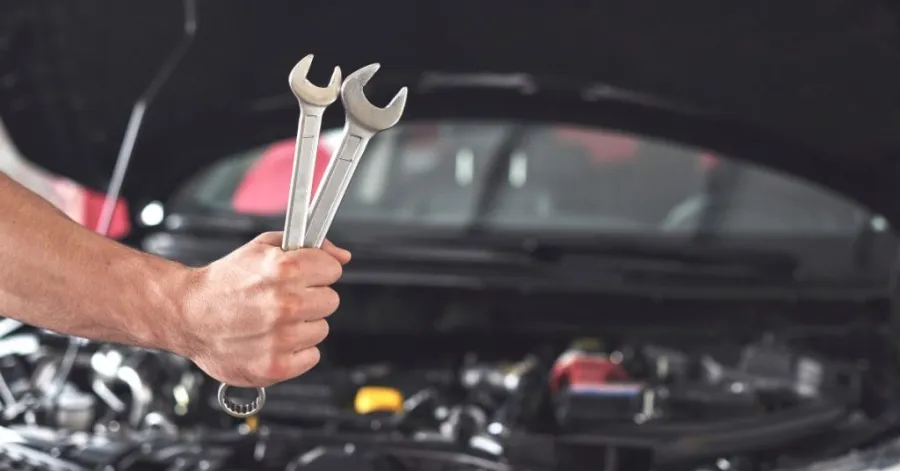
If you hear a clicking noise when you turn the key, the starter motor may be at fault. Sometimes tapping the starter gently with a wrench can help it engage. However, if this works, it’s usually a sign that the starter needs to be checked by a professional.
Evaluate the Fuel System
Without fuel, your car won’t start. Problems within the fuel system can prevent your car from getting the fuel it needs to run.
Check the Fuel Level
It might seem obvious, but ensure there is enough fuel in the tank. A faulty fuel gauge can mislead you into thinking there’s more fuel than there actually is.
Listen for the Fuel Pump
When you turn the ignition key to the ‘on’ position, you should hear a faint whirring sound from the fuel pump. If you don’t hear this, the fuel pump may be defective or not receiving power.
Examine the Security System
Modern cars often have complex security systems that can prevent the car from starting.
Verify the Key
If your car uses a transponder key or a keyless entry system, ensure the battery in the key fob is working. A malfunctioning key fob can prevent the car from recognizing it and thus not start.
Reset the Security System
Sometimes, the security system may need a reset. Consult your owner’s manual for instructions on resetting the system, as this process varies by make and model.
Assess Engine Components
Issues with essential engine components might also be the reason your car won’t start.
Check the Timing Belt
If the timing belt breaks, the engine won’t start. Look for signs of wear or damage on the belt. A broken timing belt usually requires professional repair.
Inspect the Spark Plugs
Worn or fouled spark plugs can prevent the engine from starting. Remove a spark plug and inspect it for wear, damage, or deposits. Replacing spark plugs is a relatively simple DIY task.
Consider the Weather
Weather conditions can affect your car’s ability to start, especially in extreme cold or heat.
Cold Weather Tips
In cold weather, the oil thickens, making it harder for the engine to turn over. Using a block heater can help keep your engine warm. Also, ensure your battery is fully charged, as cold temperatures reduce battery efficiency.
Hot Weather Tips
In hot weather, vapor lock can prevent the fuel from reaching the engine. Allowing the car to cool down or opening the hood to let heat escape can sometimes help.
Seek Professional Help
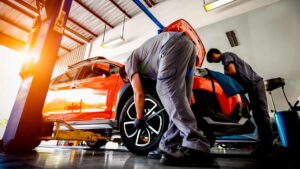
If you’ve tried all these solutions and your car still won’t start, it might be time to consult a professional mechanic. They have the tools and expertise to diagnose and fix more complex issues that might not be immediately apparent.
Conclusion
When faced with a car that won’t start, it’s essential to stay calm and methodical in your troubleshooting approach. By following these steps, you can often identify and solve the problem quickly, saving time and potentially avoiding costly repairs. From checking the battery and ignition system to evaluating the fuel system and considering environmental factors, these solutions cover the most common reasons a car might not start. However, when in doubt, professional diagnostics can provide peace of mind and ensure your vehicle is safe and reliable.
#ChatGPT assisted in the creation of this article.



Post Comment