Top Vehicle Care Routines for Optimal Performance
Maintaining your vehicle in top condition is essential not only for ensuring a smooth and safe driving experience but also for prolonging the lifespan of your car. Regular vehicle care routines can prevent costly repairs in the future and enhance the overall performance of your vehicle. In this article, we will explore the top vehicle care routines that every car owner should follow for optimal performance.
Regular Oil Changes
Oil is the lifeblood of your engine. It lubricates the moving parts, reduces friction, and helps to keep the engine clean. Over time, oil breaks down and becomes contaminated with dust, dirt, and debris from the engine and environment. Regular oil changes are crucial to ensure that the engine runs smoothly and efficiently.
Why It’s Important
Failing to change your oil regularly can lead to poor engine performance, decreased fuel efficiency, and potentially severe engine damage. Most manufacturers recommend changing the oil every 3,000 to 5,000 miles, but you should consult your vehicle’s owner manual for specific guidelines.
Tire Maintenance
Tires are the only point of contact between your vehicle and the road. Proper tire maintenance is crucial for safety, fuel efficiency, and optimal vehicle performance.
Check Tire Pressure
Under-inflated tires can lead to poor fuel economy and uneven tire wear, while over-inflated tires can reduce traction and increase the risk of a blowout. Check your tire pressure at least once a month and adjust it to the manufacturer’s recommended levels.
Rotate Tires
Rotating your tires regularly ensures even wear and extends their lifespan. It is generally recommended to rotate your tires every 6,000 to 8,000 miles.
Brake System Inspection
The braking system is one of the most critical safety components of your vehicle. Regular inspection and maintenance of your brakes are essential for ensuring safe driving conditions.
Signs of Wear
Pay attention to signs of brake wear, such as squeaking or grinding noises, a soft brake pedal, or vibrations when braking. If you notice any of these symptoms, have your brakes inspected by a professional immediately.
Brake Fluid Check
Brake fluid is essential for the proper functioning of your brake system. Check the brake fluid level regularly and top it off if necessary. If the fluid appears dark or dirty, it may be time to have it replaced.
Battery Care
The battery is essential for starting your vehicle and powering its electrical components. Regular battery maintenance can prevent unexpected breakdowns and extend its life.
Clean the Terminals
Corrosion on the battery terminals can lead to poor electrical connections. Clean the terminals regularly with a mixture of baking soda and water to prevent build-up.
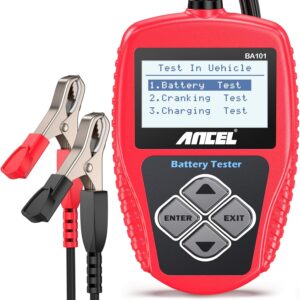
Test the Battery
Have your battery tested at least once a year, especially before the cold winter months. If it’s weak or failing, consider replacing it to avoid getting stranded.
Fluid Level Checks
Your vehicle relies on several fluids to operate smoothly, including coolant, transmission fluid, power steering fluid, and windshield washer fluid.
Coolant
Coolant helps regulate the temperature of your engine. Check the coolant level regularly and top it up if necessary. It’s also important to flush and replace the coolant as recommended by your vehicle’s manufacturer.
Transmission Fluid
Transmission fluid ensures smooth gear shifts and protects the transmission from wear. Check the level and condition of your transmission fluid regularly. If it’s low or appears dirty, it may be time for a change.
Air Filter Replacement
The air filter prevents dirt, dust, and debris from entering the engine. A clogged air filter can restrict airflow, reducing engine performance and fuel efficiency.
When to Replace
Most manufacturers recommend replacing the air filter every 12,000 to 15,000 miles. However, if you drive in dusty or dirty conditions, you may need to replace it more frequently.
Regular Washing and Waxing
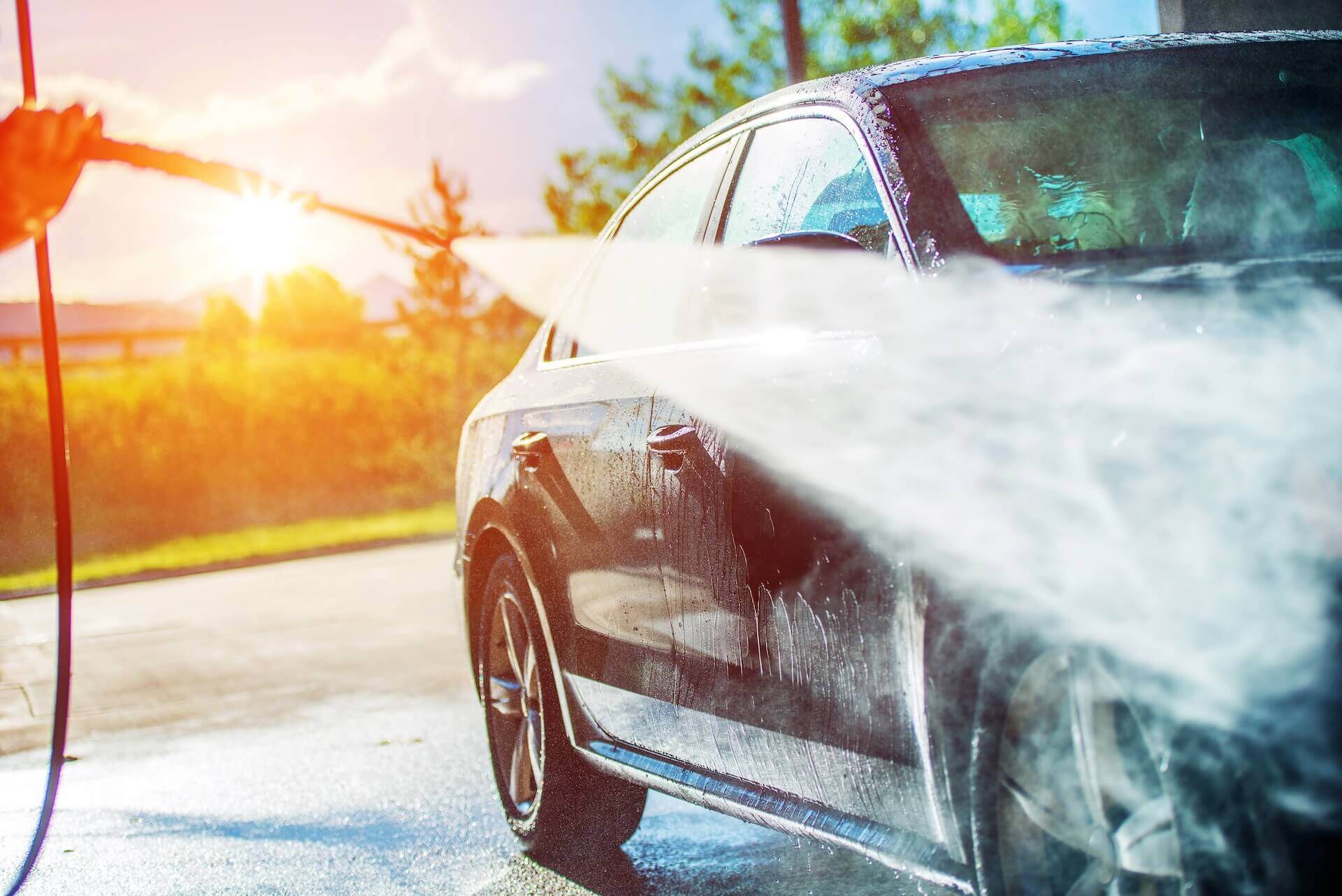
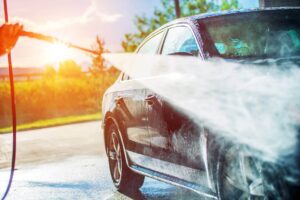
Regularly washing and waxing your vehicle not only keeps it looking its best but also protects the paint and body from corrosion and damage.
Why It Matters
Dirt, grime, and road salt can accumulate on your vehicle’s surface, leading to rust and paint damage. Regular washing removes these contaminants, while waxing adds a protective layer that helps to preserve the paint.
Lights and Electrical System
Ensuring that all lights and electrical components are functioning properly is essential for safety and visibility.
Check Headlights and Taillights
Regularly inspect your headlights, taillights, and turn signals to ensure they are working correctly. Replace any burnt-out bulbs immediately.
Electrical System
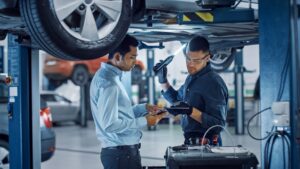
If you notice any issues with your vehicle’s electrical system, such as dim lights or malfunctioning components, have a professional inspect it to diagnose and address the problem.
Conclusion
Following these vehicle care routines can significantly enhance your vehicle’s performance, safety, and longevity. By taking the time to regularly maintain your car, you can avoid costly repairs, improve fuel efficiency, and ensure a smooth driving experience. Remember, a well-maintained vehicle not only performs better but also retains its value over time. Make vehicle care a priority, and you’ll enjoy the benefits for years to come.




Post Comment