Top Vehicle Diagnostic Tips for Quick Problem Solving

In the world of automotive care, diagnosing issues efficiently and effectively is crucial for maintaining vehicle performance and safety. Whether you’re a professional mechanic or a car owner who prefers to handle basic repairs, understanding diagnostic procedures can save time, money, and frustration. This article provides a detailed guide on top vehicle diagnostic tips for quick problem solving, ensuring you have the knowledge to tackle automotive issues with confidence.
Understanding the Basics of Vehicle Diagnostics
Vehicle diagnostics is the process of identifying and resolving issues within a vehicle’s system. Modern vehicles are equipped with complex electronics and computer systems that monitor performance and health. These systems can often detect issues before they become significant problems, making diagnostics an essential part of vehicle maintenance.
Invest in Quality Diagnostic Tools
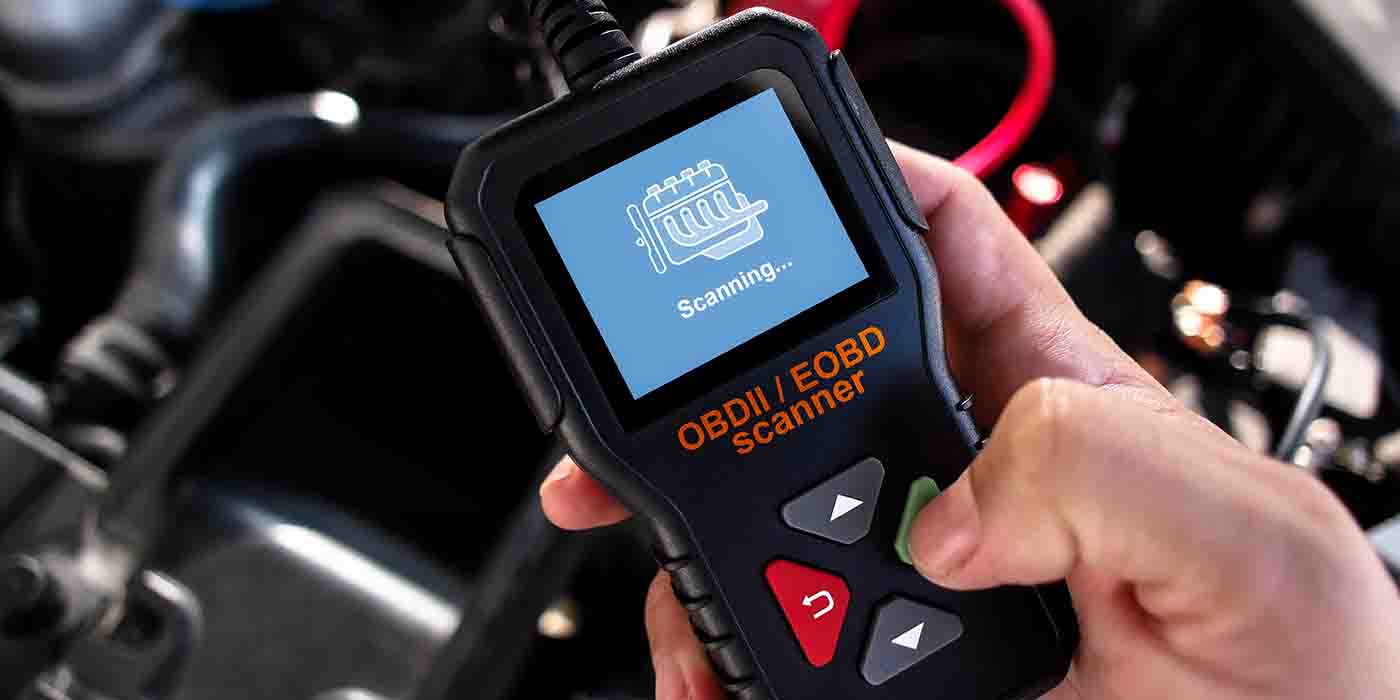
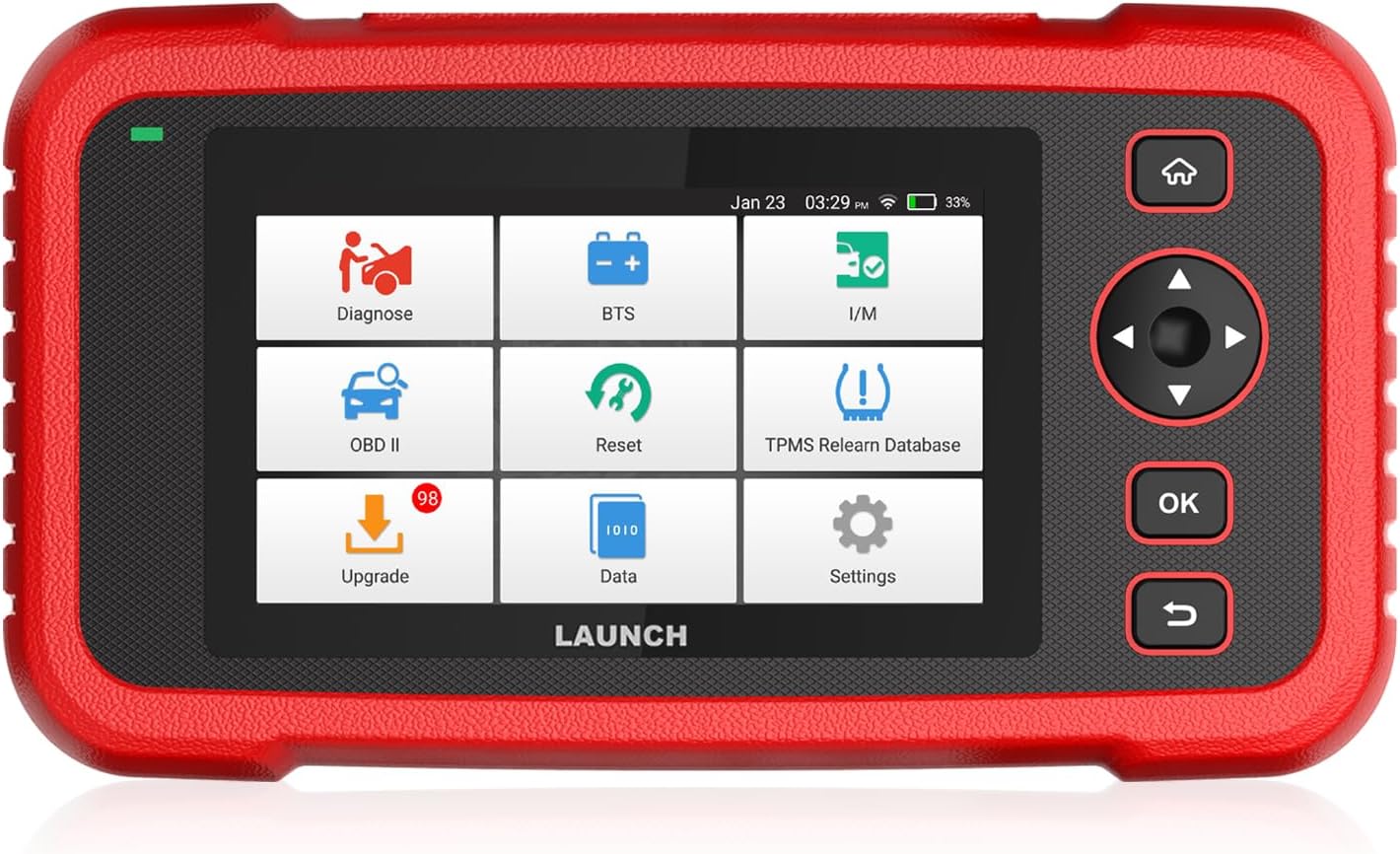
One of the first steps in effective vehicle diagnostics is investing in quality diagnostic tools. A reliable OBD-II (On-Board Diagnostics) scanner is essential for reading trouble codes from the vehicle’s computer system. These codes can provide insights into what might be wrong with your vehicle, ranging from minor issues to critical failures.
Choosing the Right OBD-II Scanner
When selecting an OBD-II scanner, consider factors such as compatibility with your vehicle, ease of use, and additional features like live data streaming and internet connectivity for updates. A scanner that provides comprehensive data can greatly aid in diagnosing problems quickly and accurately.
Listen and Observe
Before diving into high-tech diagnostics, rely on your senses. Listen for unusual sounds, feel for vibrations, and observe any changes in performance or fuel efficiency. These sensory cues can provide valuable information about potential issues. For example, a knocking sound might indicate engine problems, while decreased fuel efficiency could signal issues with the fuel system.
Check the Basics
Sometimes, the solution to a problem lies in the simplest checks. Ensure that basic components like fluids, filters, and belts are in good condition. Low oil levels, clogged air filters, or worn-out belts can cause a range of issues, and addressing these can often resolve minor problems without extensive diagnostics.
Utilize the Vehicle’s Manual
Your vehicle’s manual is an invaluable resource. It includes information about the vehicle’s systems, troubleshooting tips, and maintenance schedules. Familiarizing yourself with this manual can help you understand the vehicle’s specific requirements and common issues, providing a starting point for diagnostics.
Use Online Resources and Communities
The internet offers a wealth of information about vehicle diagnostics. Online forums, videos, and articles can provide insights into common problems and solutions for specific vehicle models. Engaging with automotive communities can also connect you with experts and enthusiasts who can offer advice and share experiences.
Be Cautious with Online Information
While online resources can be helpful, it’s important to verify the credibility of the information. Rely on reputable sources and cross-check advice with other reliable sources to ensure accuracy. Misinformation can lead to incorrect diagnostics and potentially costly mistakes.
Document Symptoms and Patterns
Keeping a detailed record of symptoms and patterns can be instrumental in diagnosing issues. Note when the problem occurs, any specific conditions (such as weather or speed), and any recent changes in the vehicle. This information can help pinpoint the root cause and assist mechanics if professional help is needed.
Perform Systematic Checks
When diagnosing a vehicle, adopt a systematic approach. Start with the most common and easily accessible components before moving to more complex systems. This methodical approach can save time and prevent unnecessary disassembly or repairs.
Follow a Logical Sequence
Begin with simple checks, such as fuses and relays, before progressing to more intricate systems like the ignition or fuel system. By following a logical sequence, you can isolate the problem more efficiently and minimize the risk of overlooking potential issues.
Test Drive the Vehicle
A test drive can reveal much about a vehicle’s condition. Pay attention to how the vehicle handles, accelerates, and brakes. Note any unusual behaviors or noises. Testing under different conditions, such as varying speeds and terrains, can also provide additional insights into potential problems.
Know When to Seek Professional Help
While DIY diagnostics can resolve many issues, some problems require professional expertise. If you’re unable to diagnose the problem after thorough checks, or if the issue involves complex systems like the transmission or engine, it’s wise to consult a professional mechanic. They have the tools and experience to handle intricate diagnostics and repairs.
Regular Maintenance as Preventive Diagnostics
Regular maintenance is a proactive approach to diagnostics. By following the manufacturer’s maintenance schedule, you can prevent many problems before they arise. Regular oil changes, tire rotations, and inspections can keep your vehicle running smoothly and reduce the likelihood of unexpected issues.
Conclusion
Vehicle diagnostics doesn’t have to be daunting. By equipping yourself with the right tools, knowledge, and approach, you can quickly and accurately identify and resolve many vehicle issues. Remember, the key to effective diagnostics is a combination of technology, observation, and systematic problem-solving. With these tips, you’ll be well-prepared to tackle automotive challenges and keep your vehicle in top condition.
#ChatGPT assisted in the creation of this article.








Post Comment