Ultimate Garage Equipment Guide for DIY Enthusiasts
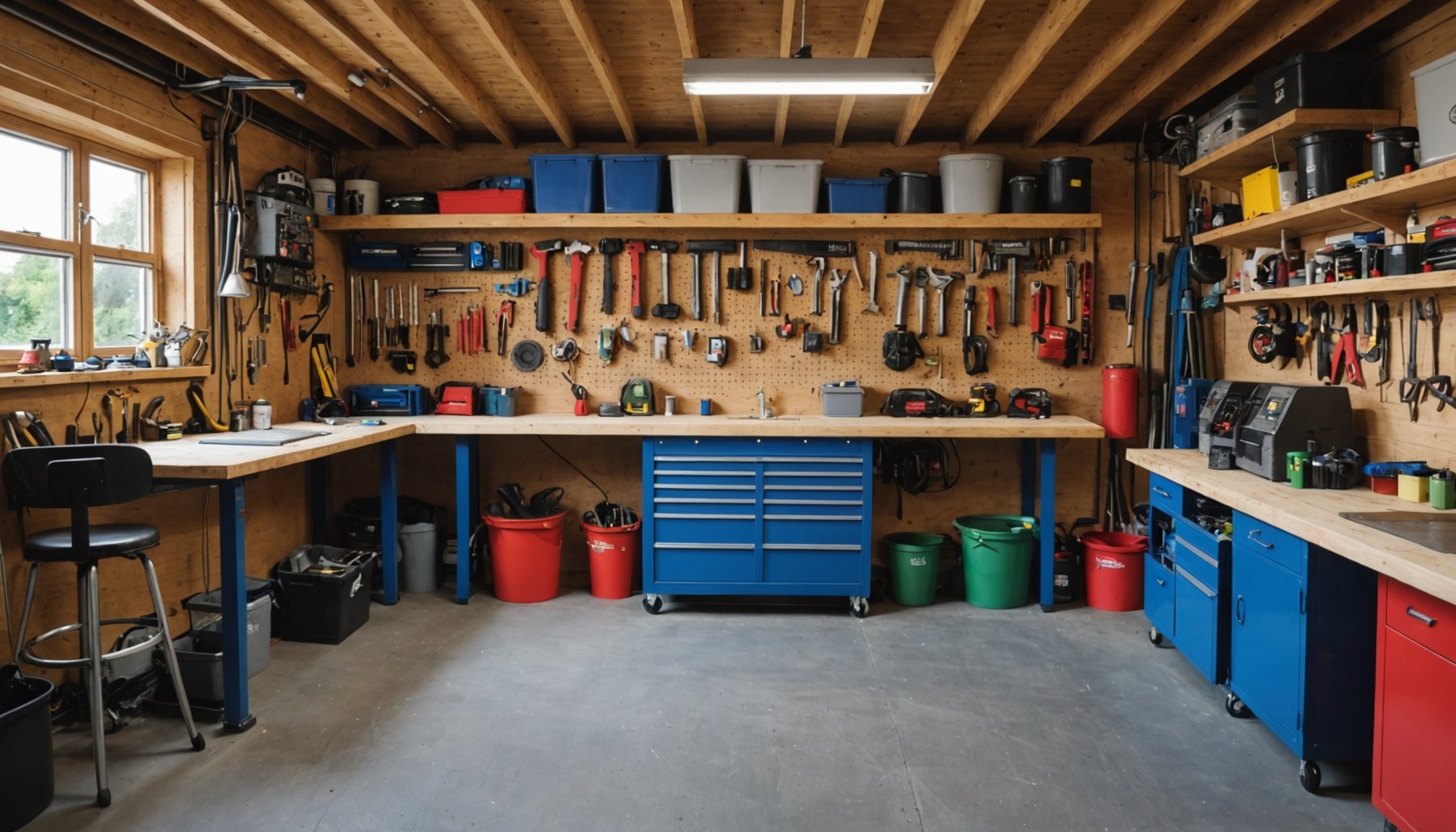
Transforming your garage into a DIY paradise requires more than just a collection of tools. It’s about creating an organized, efficient, and versatile space that caters to your creative projects and repair needs. Whether you’re a seasoned DIY enthusiast or a weekend warrior, having the right garage equipment can make all the difference. This guide aims to help you identify the essential tools and equipment that will make your garage a DIY haven.
Essential Tools Every DIY Enthusiast Should Have
Hand Tools
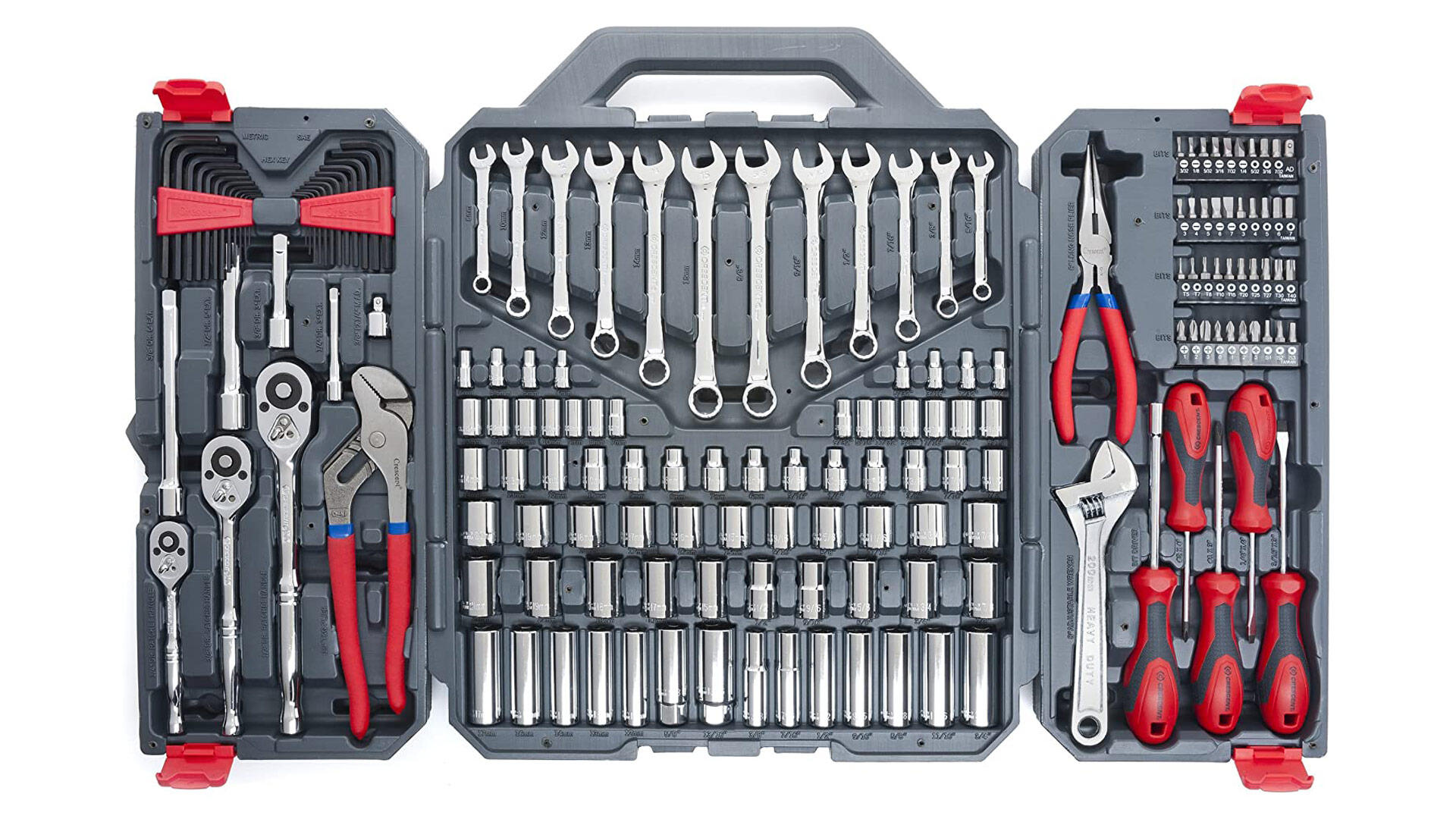
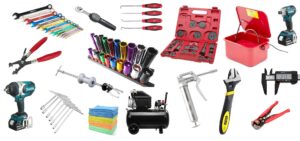
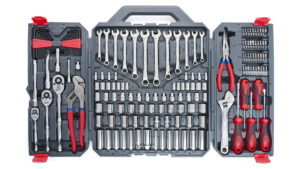
Hand tools are the backbone of any DIY garage. They are versatile, easy to use, and don’t require a power source. Here are some must-have hand tools:
- Hammer: A quality claw hammer is indispensable for driving nails, removing nails, and basic demolition work.
- Screwdrivers: A set that includes both flathead and Phillips head screwdrivers in various sizes is essential for tightening and loosening screws.
- Wrenches: Adjustable wrenches and a set of combination wrenches will cover most of your needs for loosening and tightening nuts and bolts.
- Pliers: Include regular pliers, needle nose pliers, and locking pliers for gripping, twisting, and cutting wires.
- Measuring Tape: Precision is key in any project, and a measuring tape ensures accurate measurements.
Power Tools
While hand tools are essential, power tools add efficiency and speed to your projects. Consider investing in the following:
- Drill/Driver: A cordless drill/driver is a versatile tool for drilling holes and driving screws.
- Circular Saw: Perfect for making straight cuts in various materials, including wood and plastic.
- Jigsaw: Ideal for making curved and intricate cuts.
- Orbital Sander: Smooths surfaces quickly and is essential for finishing wood projects.
- Angle Grinder: Useful for cutting, grinding, and polishing metal and other materials.
Garage Organization and Storage Solutions
An organized garage is crucial for efficiency and safety. Effective storage solutions can help you maximize space and keep your tools easily accessible.
Tool Storage
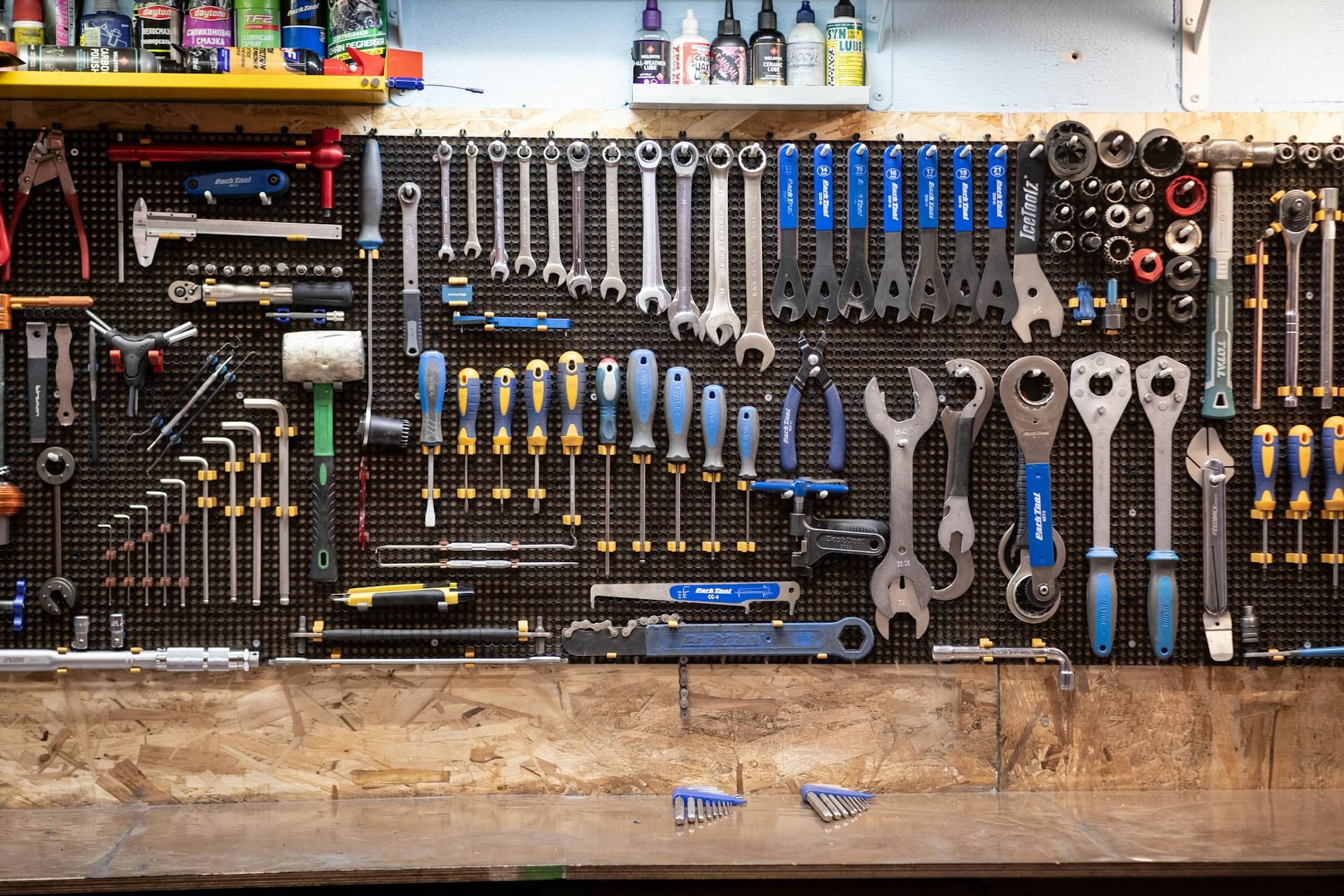
Consider investing in a tool chest or cabinet with drawers to keep your hand tools organized. Pegboards and wall-mounted racks are excellent for hanging frequently used tools, making them easy to grab when needed.
Shelving and Cabinets
Heavy-duty shelves and cabinets can store larger equipment and materials. Opt for adjustable shelves for flexibility in storing items of various sizes.
Workbenches
A sturdy workbench is the centerpiece of any DIY garage. It provides a flat, stable surface for assembling projects. Consider one with built-in storage for added convenience.
Safety Equipment
Safety should never be overlooked in any DIY project. Ensure you have the following safety equipment:
- Safety Glasses: Protect your eyes from debris and flying particles.
- Ear Protection: Use earplugs or earmuffs to protect against loud noise from power tools.
- Gloves: Protect your hands from cuts, splinters, and chemicals.
- Dust Masks/Respirators: Essential when working with materials that produce dust or fumes.
- Fire Extinguisher: Keep a fire extinguisher nearby in case of emergencies.
Specialized Equipment for Advanced DIY Projects
As you gain more experience and confidence in your DIY abilities, you might consider expanding your garage equipment with specialized tools:
Air Compressor
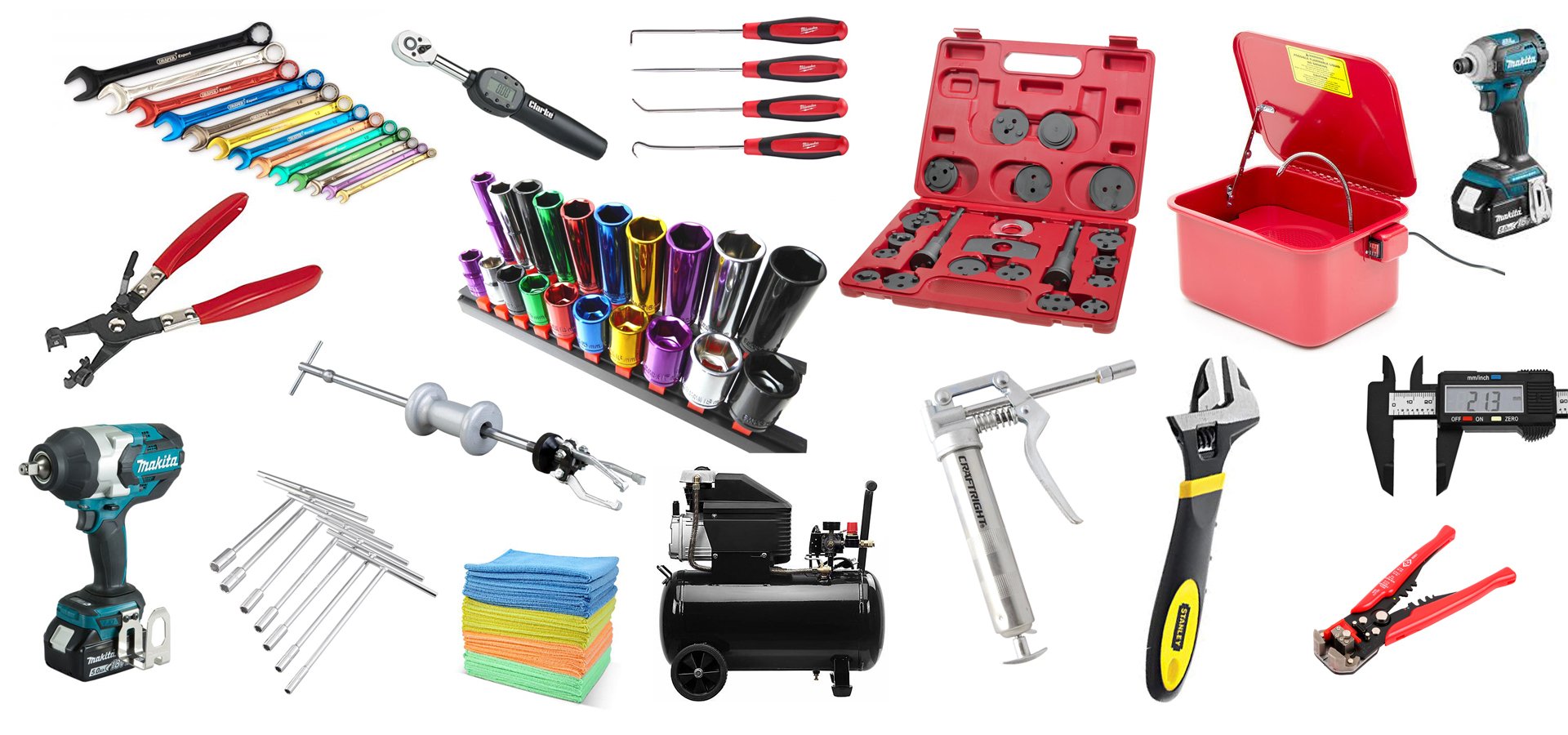
An air compressor can power various pneumatic tools like nail guns, paint sprayers, and impact wrenches, making it a valuable addition to any advanced DIYer’s arsenal.
Welder
A welder opens up possibilities for metalworking projects, such as fabricating custom brackets or repairing metal structures.
Router
A router is excellent for woodworking projects that require decorative edges, grooves, or intricate designs.
Maintenance and Care of Garage Equipment
Proper maintenance of your tools and equipment ensures they remain in good working condition and extend their lifespan. Here are some general tips:
- Regular Cleaning: Clean your tools after each use to prevent rust and build-up of debris.
- Lubrication: Regularly lubricate moving parts on power tools to keep them functioning smoothly.
- Sharpness: Keep blades and bits sharp to ensure clean cuts and reduce the risk of accidents.
- Storage: Store tools in a dry place to prevent rust and other damage.
- Inspection: Regularly inspect your tools for wear and damage, replacing or repairing them as necessary.
Conclusion
Building the ultimate DIY garage involves more than just collecting tools; it’s about creating a space that inspires creativity and enhances productivity. By equipping your garage with essential hand and power tools, organizing your space effectively, prioritizing safety, and maintaining your equipment, you set the stage for successful and enjoyable DIY projects. Whether you’re fixing a leaky faucet, building furniture, or crafting intricate metalwork, the right tools and setup can transform your garage into a true DIY sanctuary.



Post Comment