Ultimate Guide: Brake Pad Replacement for Peak Performance
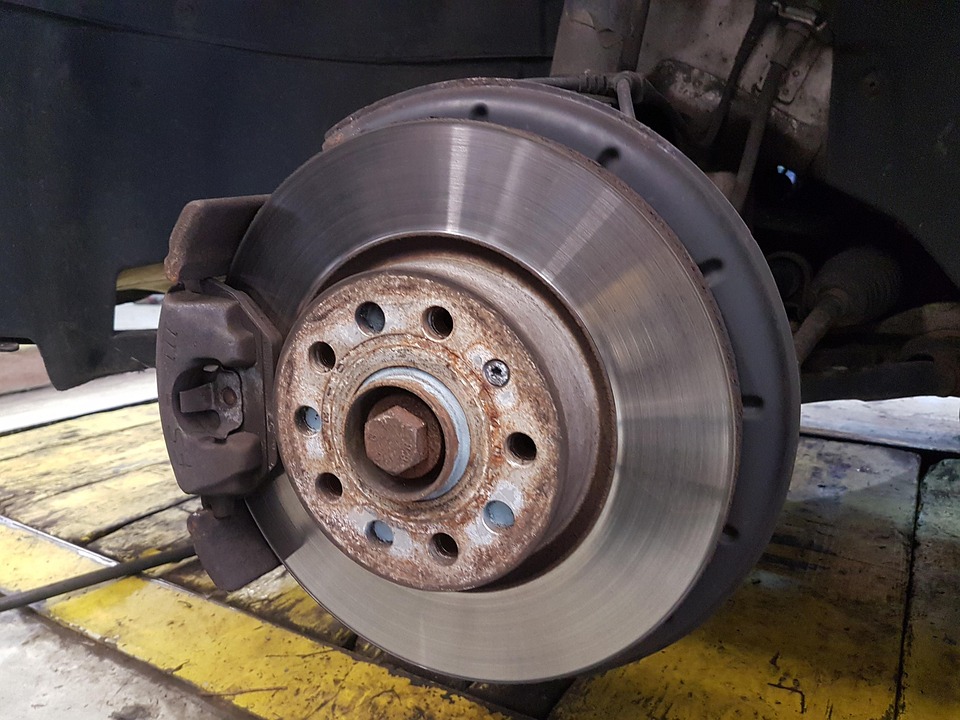
Ensuring your vehicle’s braking system is in peak condition is crucial for both safety and performance. Among the essential components of this system are the brake pads, which play a pivotal role in stopping your car effectively. This ultimate guide provides a comprehensive overview of brake pad replacement, helping you maintain optimal braking performance.
Understanding Brake Pads
What Are Brake Pads?
Brake pads are components of the disc brake system used in most modern vehicles. They are designed to convert kinetic energy into thermal energy through friction. When you press the brake pedal, the brake pads are forced against the brake rotor, creating the friction needed to slow down or stop the vehicle.
Types of Brake Pads
There are several types of brake pads, each offering different benefits:
- Organic Brake Pads: Made from a mixture of fibers and materials, they offer quiet performance and are relatively inexpensive.
- Semi-Metallic Brake Pads: Contain metal fibers, providing better heat transfer and durability but can be noisier than organic pads.
- Ceramic Brake Pads: Known for their longevity and quiet operation, they perform well under a wide range of temperatures but tend to be more expensive.
Why Replace Brake Pads?
Brake pads wear down over time due to the friction they generate. Replacing them is vital for several reasons:
- Safety: Worn brake pads can significantly reduce braking efficiency, increasing stopping distances and the risk of accidents.
- Performance: New brake pads ensure consistent and reliable braking performance.
- Preventing Damage: Allowing brake pads to wear completely can damage the brake rotors, leading to more costly repairs.
Signs That Your Brake Pads Need Replacement
Recognizing the signs of worn brake pads can prevent potential problems. Look out for the following indicators:
- Squealing or Squeaking Noise: This is often the first sign that brake pads are wearing thin.
- Grinding Noise: A grinding sound when braking suggests the pads are completely worn and metal is contacting metal.
- Reduced Responsiveness: If your brakes feel less responsive or the pedal sinks lower, the pads may be worn out.
- Vibration: A vibrating brake pedal can be a sign of warped rotors or uneven wear on the pads.
Tools and Materials Needed for Brake Pad Replacement
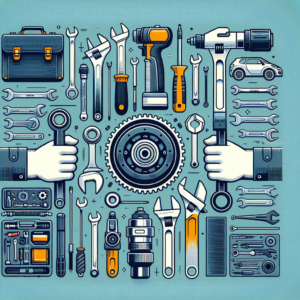
Before starting the brake pad replacement process, gather the following tools and materials:
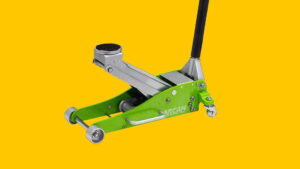
- Jack and jack stands
- Wheel lug wrench
- C-clamp or brake piston tool
- Socket and ratchet set
- New brake pads
- Brake grease
- Torque wrench
- Safety glasses and gloves
Step-by-Step Guide to Replacing Brake Pads
Preparation and Safety
Before you begin, ensure your vehicle is parked on a level surface and is securely supported by jack stands. Always wear safety glasses and gloves to protect yourself during the process.
Removing the Old Brake Pads
- Remove the Wheel: Use a lug wrench to loosen the lug nuts, then lift the vehicle with a jack and secure it with jack stands. Remove the lug nuts completely and take off the wheel.
- Access the Brake Caliper: Locate the brake caliper, which houses the brake pads. Use the socket and ratchet to remove the caliper bolts, then carefully slide the caliper off the rotor.
- Remove the Old Pads: Slide out the old brake pads from the caliper bracket. Take note of their positioning for installing the new pads.
Installing New Brake Pads
- Prepare the Caliper: Use a C-clamp or brake piston tool to compress the caliper piston back into its housing. This creates space for the new, thicker brake pads.
- Apply Brake Grease: Apply a small amount of brake grease to the back of the new pads and any metal contact points. This helps prevent noise and ensures smoother operation.
- Install the New Pads: Slide the new brake pads into the caliper bracket, ensuring they are properly seated.
Reassembling and Testing
- Reattach the Caliper: Carefully position the caliper over the rotor and new pads. Secure it with the caliper bolts, ensuring they are tightened to the manufacturer’s specifications using a torque wrench.
- Reinstall the Wheel: Place the wheel back onto the hub and hand-tighten the lug nuts. Lower the vehicle off the jack stands and fully tighten the lug nuts in a star pattern using a torque wrench.
- Test the Brakes: Before driving, pump the brake pedal several times to ensure the pads are seated correctly and the pedal feels firm. Take the vehicle for a short test drive to confirm the brakes are functioning properly.
Maintaining Your Brake System
Regular Inspections
Conduct regular inspections of your brake system, including checking the thickness of the brake pads and the condition of the rotors. Address any issues promptly to maintain peak performance.
Brake Fluid Maintenance
Brake fluid plays a critical role in the hydraulic brake system. Check the fluid level regularly and replace it as recommended by your vehicle’s manufacturer. Contaminated or old brake fluid can affect braking performance.
Conclusion
Replacing brake pads is a vital aspect of vehicle maintenance that ensures safety and optimal performance. By following this comprehensive guide, you can confidently replace your brake pads and maintain your vehicle’s braking efficiency. Remember, if you’re unsure about any part of the process, consulting a professional mechanic is always a wise decision.







Post Comment