Ultimate Guide to Superior Exterior Car Care

Maintaining your vehicle’s exterior is not just about keeping it looking good; it’s also about preserving its value and ensuring its longevity. The exterior of your car faces a multitude of potential hazards including UV rays, road debris, bird droppings, and harsh weather conditions. This guide will walk you through the steps necessary to achieve superior exterior car care, ensuring your vehicle remains in pristine condition for years to come.
Understanding the Importance of Exterior Car Care
Regular exterior maintenance plays a crucial role in protecting your car’s paint and bodywork. The paint is the first line of defense against environmental factors, and over time, neglect can lead to oxidation, fading, and even rust. By investing time in proper car care, you not only enhance the aesthetic appeal but also extend the life of your vehicle’s body.
Essential Tools and Products
Before diving into the care process, it’s important to gather the right tools and products. Here’s a list of essentials you’ll need:
- Quality Car Wash Soap: Unlike household cleaning agents, car wash soap is specifically formulated to be gentle on paint.
- Microfiber Towels: These are non-abrasive and perfect for drying and buffing.
- Wash Mitt: A good wash mitt will help lift and trap dirt away from the paint surface.
- Clay Bar: Essential for removing contaminants that washing alone cannot remove.
- Car Wax or Sealant: Provides a protective layer against the elements.
- Detailing Spray: For touch-ups and quick shine.
- Wheel Cleaner and Brush: To tackle brake dust and grime.
Step-by-Step Exterior Car Care Process
Washing
Begin with a thorough wash to remove surface dirt and grime. Use a two-bucket method: one bucket for the soapy water and another for rinsing your mitt. This prevents scratching the paint with debris. Start from the top and work your way down, rinsing frequently. Avoid washing in direct sunlight to prevent soap from drying onto the paint.
Drying
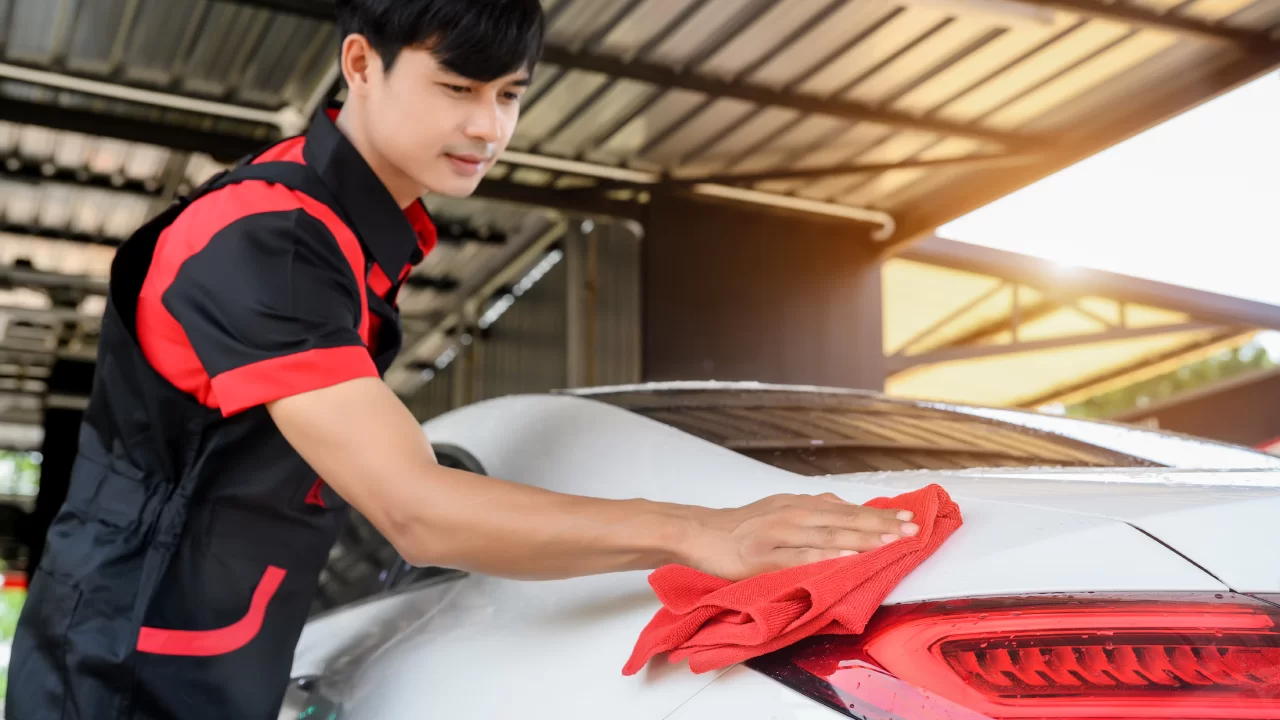
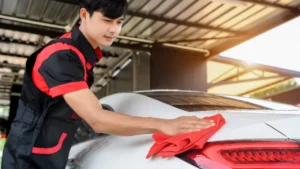
Dry the car promptly after washing to prevent water spots. Use a clean microfiber towel or a dedicated drying towel. Pat the surface rather than dragging the towel across the paint to minimize the risk of scratches.
Claying
Once the car is dry, use a clay bar to remove embedded contaminants like tree sap, tar, and industrial fallout. Lubricate the surface with a clay lubricant or detailing spray, and gently glide the clay bar over the paint. This step leaves the surface smooth and ready for polishing or waxing.
Polishing
Polishing is optional but recommended if your paint has minor scratches or swirl marks. Use a polishing compound with a dual-action polisher or by hand with a foam applicator. Work in small sections, applying light pressure, and ensure even coverage. Buff the area with a clean microfiber towel after polishing.
Waxing/Sealing
Waxing or applying a sealant is crucial for protecting the paint. Wax adds a deep shine and a layer of protection, while sealants offer longer-lasting protection. Apply in a thin, even coat and let it cure for the recommended time before buffing off with a microfiber towel.
Detailing
Use detailing spray to give your car an extra shine and remove any remaining fingerprints or smudges. This is also a good opportunity to clean external glass and mirrors with a glass cleaner for a streak-free finish.
Wheel and Tire Care
Wheels and tires require special attention as they are exposed to brake dust and road grime. Use a dedicated wheel cleaner and a soft brush to clean the wheels thoroughly. After cleaning, apply a tire dressing to restore the black sheen and protect the rubber from UV damage.
Maintaining the Finish
To maintain the finish, regularly wash your car every two weeks and apply wax or sealant every three to four months. Quick detailing sprays can be used in between washes to maintain the shine.
Dealing with Specific Concerns
Bird Droppings and Tree Sap
Bird droppings and tree sap can be highly corrosive and should be removed as soon as possible. Use a dedicated cleaner or a detailing spray to gently lift the contaminants without damaging the paint.
Scratches and Swirl Marks
For minor scratches, a scratch removal product or polish can be used to improve the appearance. Swirl marks can often be reduced with a good polish and proper washing techniques to prevent them in the future.
Conclusion
Superior exterior car care is a commitment to preserving the beauty and value of your vehicle. By following the steps outlined in this guide and using the right products and techniques, you can protect your car from the elements and keep it looking its best. Regular care not only enhances the aesthetic appeal but also contributes to the longevity of your vehicle, making it a worthwhile investment of your time.







Post Comment